Last Updated on January 15, 2026 by Cliche
Picture a traditional laboratory. It is a busy place. Scientists move around large equipment. They handle substantial volumes of precious samples. Reagents sit in bulky bottles. This image defines research for many. But a quiet revolution is reshaping this space. It is making labs more clever and less wasteful. The heart of this change is assay miniaturization. Scientists are shrinking their experiments. This shift is not just about saving bench space. It is a powerful catalyst for a smarter, more resource-efficient future in science.
The Core Idea of Going Small
Miniaturization is the systematic reduction of experimental scale. Think about a standard assay in a 96-well plate. Now imagine that same test in a 1536-well plate. The physical footprint of the experiment shrinks dramatically. The amounts of cells, chemicals, and compounds drop just as sharply. We are talking about volumes in the microliter range. Sometimes we even go smaller. This is not simply doing less. It is about doing more with far less. Every single component of the research process gets condensed. The benefits of this approach ripple outwards in surprising ways.
A Direct Path to Material Savings
The most obvious win is conservation. Biological samples are often rare and difficult to obtain. Patient biopsies, stem cells, and novel proteins are incredibly valuable. Traditional methods can consume them quickly. Miniaturization allows a single sample to fuel hundreds of tests. The same logic applies to chemical reagents. Many of these substances are expensive. Some are toxic. Using less of them is a clear advantage. It cuts costs immediately. It also reduces hazardous waste. Labs spend less money on supplies. They also spend less on waste disposal. This creates a greener, more economical workflow.
Unlocking Greater Speed and Scale
Smaller experiments are naturally faster. Tiny volumes heat and cool rapidly. They mix in an instant. Reactions reach their endpoint sooner. This acceleration means a scientist can run more tests in a single day. But the real power comes from parallel processing. Miniaturized platforms allow for incredible density. A single plate can now hold thousands of discrete experiments. This high-throughput capacity changes the game for drug discovery. Vast libraries of compounds can be screened against a target in record time. It enables genetic studies with massive scope. Research questions that were once impractical become routine. Speed and scale combine to push boundaries.
The Data Density Advantage
There is another, subtler benefit. Miniaturization leads to better data. Running an experiment at a large scale is a commitment. A researcher might test only a few conditions at a time. The miniaturized approach encourages broader exploration. Scientists can test many more variables simultaneously. They can replicate conditions extensively within the same run. This produces richer, more statistically robust results. The data comes from a single, controlled environment. This reduces batch-to-batch variability. The conclusions drawn are stronger and more reliable. Quality improves alongside quantity.
Democratizing Advanced Research
This shift also levels the playing field. High-end research was once the domain of well-funded labs. The constant need for large volumes of expensive materials created a high barrier to entry. Miniaturization lowers that barrier significantly. A university lab with a modest budget can now perform sophisticated screens. A startup company can pursue ambitious projects without a massive capital outlay. It allows brilliant ideas to flourish anywhere. Innovation becomes less dependent on deep pockets. This democratization spreads scientific potential more widely across the globe.
Facing the Small Challenges
The path is not without obstacles. Working at such a small scale demands new precision. Liquid handling requires advanced automated systems. A single droplet of condensation can ruin a result. Engineers must design new tools for these tiny volumes. Detection methods need higher sensitivity. Analyzing the resulting flood of data requires powerful bioinformatics. These are real technical hurdles. But the scientific community is rising to meet them. Each challenge sparks new innovations in instrumentation and software. The difficulties are simply steps in the evolution of the field.
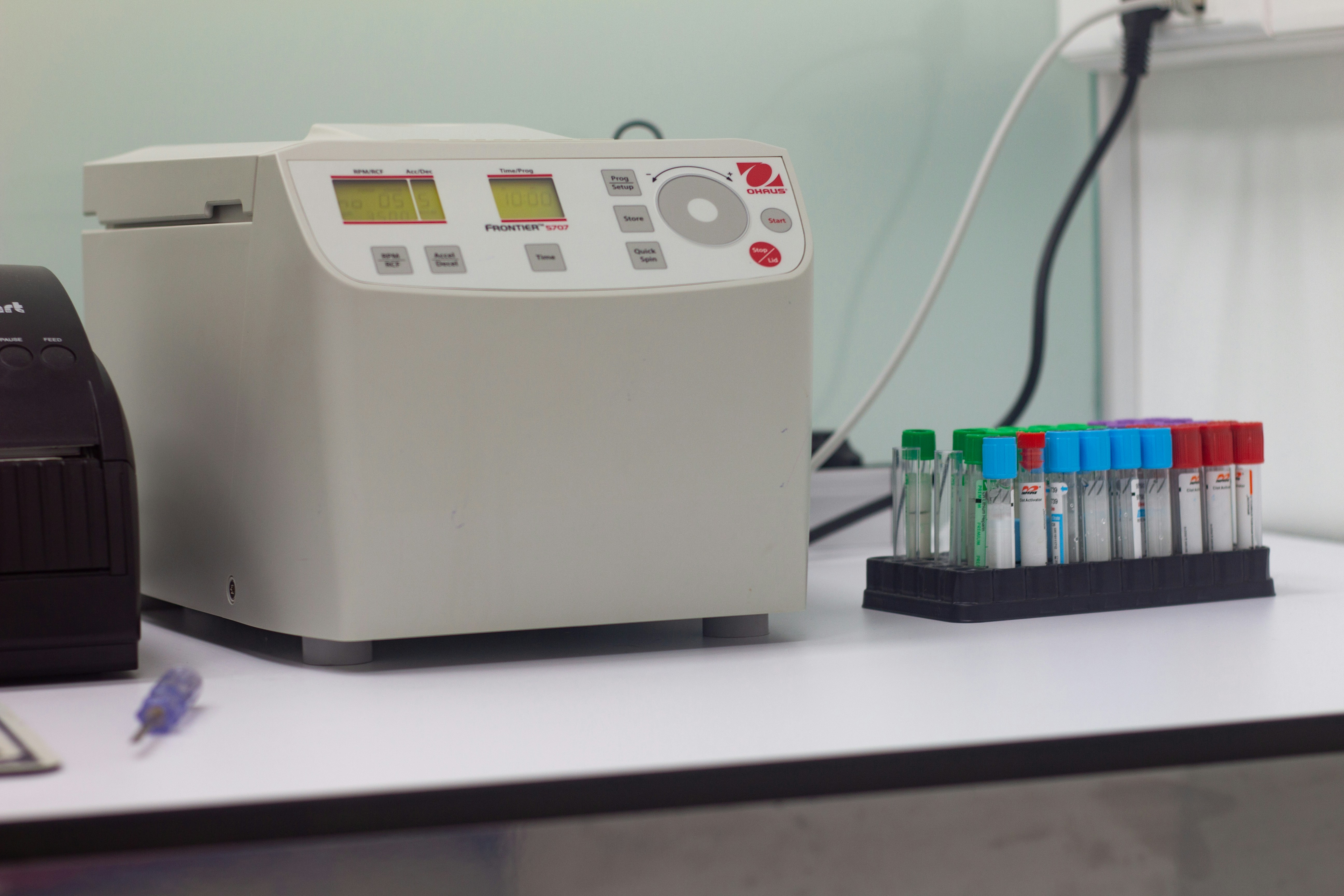
Photo by Mezidi Zineb on Unsplash
The Future is Frugal
Assay miniaturization represents a fundamental change in philosophy. It moves research away from a model of consumption. It embraces a principle of conservation and clever design. The goal is maximum knowledge from minimum input. This is resource-efficient research in action. It saves money. It saves time. Most importantly, it saves precious materials for future questions. The lab of the future will not necessarily be bigger. It will be smarter, faster, and more sustainable. By thinking small, science is achieving something truly large. It is building a more efficient and more impactful way to discover.
Read more science articles at ClichéMag.com
Images provided by Deposit Photos, BingAI, Adobe Stock, Unsplash, Pexels, Pixabay Freepik, & Creative Commons. Other images might be provided with permission by their respective copyright holders.