
Last Updated on November 25, 2025 by Cliche
Are you tired of dealing with aches, wrinkles, or chronic skin problems that won’t disappear? Or maybe hair loss has affected your self-assurance, or chronic pain drains all your energy. Home Red Light Therapy might be the simple solution you’ve been looking for to deal with such problems without leaving the comfort of your home.
It’s becoming popular because it improves skin health, promotes healing, and even supports hair regrowth-all while making life a little more convenient. Red light therapy uses specific light wavelengths to assist your body in recovery at the cellular level. Athletes rely on it for muscle recovery; skincare enthusiasts praise its anti-aging benefits.
In this article, we’ll look more into its benefits and how to use red light therapy effectively at home.

What is Red Light Therapy?
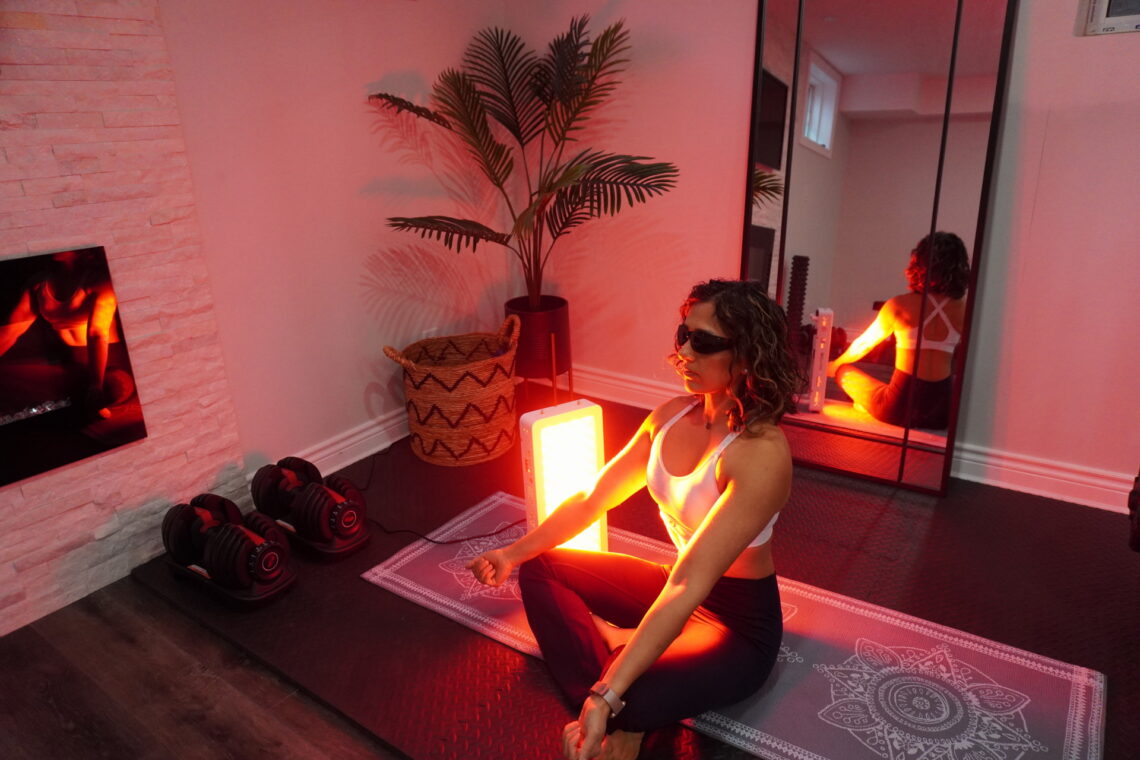
Red light therapy uses unique wavelengths of red and near-infrared light to activate cells that can repair tissues. Devices like LED panels, wands, or masks emit light in ranges between 630-1,200nm.
This process further initiates mitochondrial activity, which increases the production of ATP, serving as an energy source for your cells. Sessions usually take less than 10 minutes and can be repeated several times a week for visible results. Red light rejuvenates the skin by supporting the production of collagen and helps repair injured connective tissue.
These devices are normally used to treat fine lines, scarring, muscle pain, and even thinning hair due to conditions like androgenetic alopecia. While ultraviolet rays from the sun destroy skin over time, the wavelengths used here promote healing without any risk of UV damage. Most devices are easy to operate with intuitive controls created for convenience in home treatments.
Benefits of Red Light Therapy
Benefits of Red Light Therapy supports natural healing, using its advantages for both skin and general health, helping you feel and look better with time.
How does red light therapy improve healthy skin and reduce signs of aging?
Red light therapy helps promote collagen and elastin production in the skin. Devices targeting wavelengths like 630nm and 680nm help reduce inflammation while encouraging skin rejuvenation.
Smoother skin, fewer wrinkles, and reduced age spots began to be noted by users in four weeks with weekly sessions. Cell repair is helped through deeper tissue penetration and overall improved tones in both darker and lighter skin types. For this reason, dermatologists will often suggest red light as added therapy to help improve the signs of aging naturally.
Red light therapy works safely on different skin types while reducing the redness or irritation that is common with chemical peels or invasive laser treatments.
How does red light therapy help with muscle recovery and pain relief?
The red and near-infrared wavelengths deeply penetrate the muscles and tissues, relieving inflammation and soreness. Athletes rely on this treatment after training to reduce recovery time by soothing chronic pains.
Full-body devices enhance overall tissue repair by promoting cellular repair in deep layers of the body. The treatment helps in reducing stiffness by increasing blood circulation through vasodilation effects, thus supporting natural restoration processes.
These advantages make red light therapy one of the best options available for muscle recovery and pain relief in the comfort of your own home.
How does red light therapy improve circulation and cellular repair?
Red light therapy stimulates mitochondrial functions and triggers the higher production of ATP. This energy allows the cells to repair tissue damage much faster and more properly. Red light improves blood flow by encouraging the dilation of blood vessels.
Improved circulation sends oxygen and nutrition to tissues more rapidly, and thus, it assists in better recovery from injuries or inflammation. Evidence shows that low-level laser therapy reduces swelling following blepharoplasty and similar surgeries. It also initiates the action of DNA repair enzymes, important for healthy skin and muscles.
Can red light therapy assist in hair regrowth?
Clinical trials show that RLT does help to treat hair loss due to androgenetic alopecia. Hair follicles are made active by specific wavelength-emitting devices, including combs, helmets, and caps, which are used to promote hair growth.
Regular sessions reduce further loss and encourage regrowth when combined with certain treatments. While it is unlikely to completely reverse baldness at home, with consistent use, many can notice improvements in volume.
Popular Devices for Home Red Light Therapy
Home devices for red light therapy serve a variety of needs. Following are 2 of the most popular devices:
Red light therapy belts
Therapy belts provide portability and specific treatment options for pain relief, recovery of muscles, and increased blood circulation. The Redot S from BestQool offers:
- Triple chip LEDs
- Digital control panel
- Medical-grade light therapy wrap
- Highest power output
- Red and NIR light
- 1 year warranty
Full-body red light therapy panels
Full-body red light panels for covering large areas provide consistent coverage for skin care, pain relief, and regeneration. Panels like this are great for wider sections of the body due to their higher irradiance levels, and you can confidently use them as the 4 Wavelengths Full-Body Red Light Therapy Pro300 from BestQool is:
- FDA Cleared
- FSA HSA Eligible
- Climate Friendly
More specifically, the 4 Wavelengths Full-Body Red Light Therapy Pro300 features:
- Real Irradiance, Scientifically Validated
- Pro300 delivers scientifically verified authentic irradiance for professional-grade red light therapy with accurate, transparent data and no exaggerated claims.
- Third-Party Verification & Certification
- Each Pro300 unit is independently tested by accredited third-party laboratories and provides detailed irradiance, wavelength, and stability reports for scientific reliability.
- Original Test Videos to Gain Consumer Trust
Red Light Therapy Q&A
How do I choose the right home red light therapy device?
The red light therapy devices can be chosen by identifying one’s goals, such as skin or pain relief, and then checking the features related to strength and light coverage.
How to assess your specific needs and goals?
Identify the main problem you want to address, such as skin aging, muscular pain, or hair loss. For example, if your concern is male pattern hair loss, then a device that focuses on stimulating follicles could be an excellent option. Focus on wavelengths in the red light spectrum that will satisfy your goals; shorter ones address the epidermis, while longer wavelengths are able to reach deeper tissues.
Always be pragmatic: if you are traveling extensively or just need treatments during busy days, consider portable devices. Check customer feedback for the results tied to your specific concern, such as better sleep or faster recovery times. You may also consult a dermatologist about certain conditions like Melasma before deciding to purchase one.
How often should it be used?
Use red light therapy devices in your home or apartment three to five times a week for best results. Most sessions should be about 10 minutes, depending on the device and area to be treated. Follow the manufacturer’s instructions to avoid overuse, which will serve only to further irritate sensitive skin without necessarily improving outcomes. When it comes to effective home therapy, regularity seems to be more important than the length or strength of sessions. Make sure you get a device with built-in timers or session indicators so you can keep track of them with ease.
What precautions should sensitive skin users take?
Start with short sessions, about five to ten minutes, to assess skin tolerance and minimize the risk of irritation. Whenever possible, choose a device that allows you to adjust the intensity to lower the light output if needed.
Do not treat damaged, infected, or recently treated skin unless medically advised to do so. Users with sensitivities should consult dermatologists before use, especially those prone to hyperpigmentation or conditions such as Lupus and Melasma.
Conclusion
Red light therapy is one of the most innovative methods for home skincare and muscle care. Treatment with red light works with wavelengths passing through skin to rejuvenate cells and tissues. It helps boost collagen production for smoother skin, while in muscles, it reduces inflammation so your body can recover faster after workouts or injuries. Research also points to improved blood flow as aiding cellular repair.
Safety should be a concern when administering red light therapy at home, and one should look for FDA approval before buying any product to avoid risks like unregulated UV emissions or low-quality builds that may harm one during use.
Finally yet importantly, be wary of misleading marketing campaigns motivated solely by profit that may exploit potential clients with unreal promises. Always seek guidance from trusted sources and expert resources for informed decisions.
Read more health and wellness at ClichéMag.com
Images provided https://www.bestqool.com/. Other images might be provided with permission by their respective copyright holders.