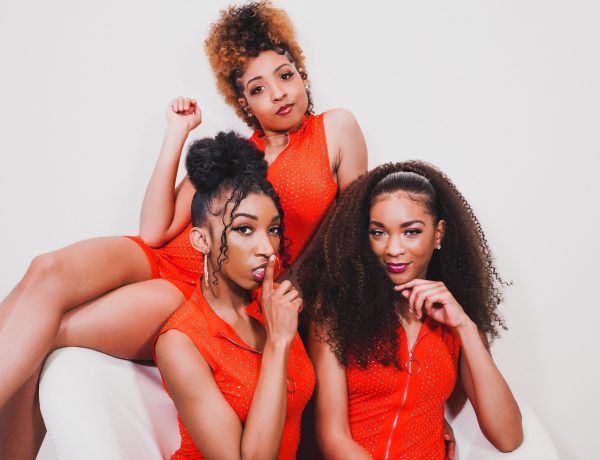

Personal style is more than fashion; it reflects identity. The way someone dresses can communicate who they are before a word is spoken. Yet discovering a look that feels authentic can be tricky. Between endless online inspiration, changing trends, and retail overload, balancing individuality and influence often feels impossible.
Technology is transforming how people explore style; AI-powered wardrobe tools and augmented reality fitting rooms let shoppers experiment without guesswork. Style is no longer dictated by the runway; it’s guided by data, creativity, and convenience. As these tools grow more intuitive, they simplify user choice and encourage subtle experimentation with patterns, textures, and colors that once might have felt unfamiliar.
How Other Digital Industries Personalize Experiences
Personalization extends beyond fashion; online casinos like bovada use algorithms to adapt to user preferences, providing access to more games, software providers, slots, and jackpots. They also offer bigger welcome bonuses, broader existing customer offers, the ability to play from regions where Bovada is unavailable, multiple sites for more choices, and opportunities to join tournaments for cash prizes.
The principle translates directly to fashion as systems learn from behavior. Allowing for smarter recommendations, greater inclusivity, and more freedom to define personal style. The same can now be applied by small retailers to offer customers tailored suggestions and more authentic online shopping experiences.
AI in Fashion Discovery
AI now acts as a behind-the-scenes stylist. Spotting patterns in what people buy, save, and admire to suggest pieces that fit both body and personality. Recommendations reflect how someone actually lives and dresses, not fleeting trends.
Virtual try-ons take this further. With a phone or laptop camera, shoppers can see how an outfit moves or drapes before purchase. Reducing returns and building confidence. Some brands even offer predictive sizing tools that compare measurements across labels. Cutting frustration and making it easier to find what truly fits.
Social Influence and Digital Communities
Fashion discovery thrives in communities; social platforms let users share outfits, exchange feedback, and celebrate diverse tastes. Algorithms highlight creators whose aesthetics align with users. Curating inspiration that feels relevant without overwhelming.
Joining these communities sparks creativity and experimentation; trend challenges, capsule wardrobe showcases, and sustainability discussions inspire new combinations. Collective creativity online shapes personal style, showing how community influences what people wear.
Virtual Wardrobes and AR Tools
Digital wardrobe apps let users catalog their clothing and create outfits effortlessly. Rediscovering tucked-away pieces often sparks new combinations. Making old items feel fresh again.
Augmented reality enhances creativity by projecting clothes onto live images. Showing movement, texture, and color in real time. It’s an easy, low-pressure way to try bolder looks without stepping into a store. Keeping style exploration playful and stress-free. Some apps even allow users to “share” outfit combinations with friends or communities. Adding a collaborative dimension to wardrobe planning.
Data-Driven Personalization
Data helps shape style beyond visuals. Apps track preferred colors, fabrics, and silhouettes to build clear insights into personal taste. Some U.S.-based platforms provide style reports that highlight shopping habits, seasonal gaps, and favored palettes; insight that promotes thoughtful purchases and reduces unworn clothing.
AI tools also consider practical factors like weather or events. Suggesting outfits that make sense in everyday life. Over time, they act as a style-savvy companion that anticipates what works best before users even realize it. Some systems even track repeated combinations to suggest more efficient capsule wardrobes. Reducing clutter while maintaining versatility.
Predictive Style Forecasting
Predictive algorithms do more than track past purchases; they show how new pieces can fit naturally with what people already own. Recommendations feel thoughtful rather than random, turning shopping into building a wardrobe that reflects real taste.
Brands can reduce surplus and waste by aligning production with demand; the result is a wardrobe. and a fashion industry, which feels considered and sustainable. Some systems even flag seasonal favorites before they hit stores, highlighting pieces likely to become long-term staples and giving shoppers confidence that each addition will work now and in the months ahead.
Ethical Innovation in Digital Fashion
As fashion and technology merge, privacy and inclusivity must remain at the forefront; developers work to ensure algorithms reflect diverse body types, ages, and cultural backgrounds, while consumers maintain unambiguous control over their personal information. Thoughtful, inclusive systems make style recommendations feel relevant, authentic, and empowering.
When applied with care, technology amplifies creativity instead of replacing it; digital tools can help people experiment with fresh combinations, rediscover wardrobe staples, and make choices that feel genuinely their own. Ethical, thoughtful design lets personal style flourish. Blending inspiration with convenience while keeping the focus on authentic self-expression.
Read more fashion articles at ClichéMag.com
Images provided by Deposit Photos, BingAI, Adobe Stock, Unsplash, Pexels, Pixabay Freepik, & Creative Commons. Other images might be provided with permission by their respective copyright holders.