
If you’ve ever watched a horse race, you might have found yourself wondering exactly what the purpose of the jockey is, since you likely assume it is the horse’s natural talent and training that drives it to cross the finish line.
And, although a horse’s ability is generally a big factor in its performance, a jockey’s skill and decision-making can significantly impact a race’s outcome. The horse and rider need to work together for success.
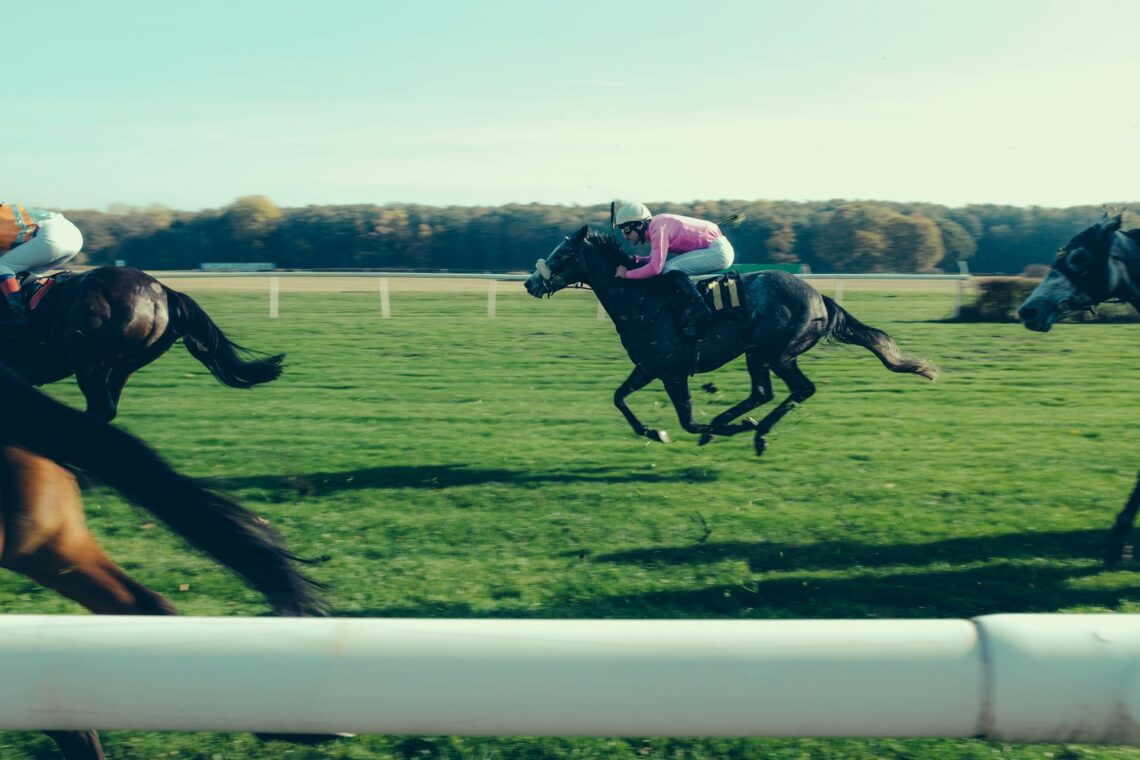
Jockeys are not just riders; they are professional athletes who have a unique understanding of the 1,000-pound animal running at 40 mph underneath them. Although a horse’s physical and mental traits, enhanced by training, are important, it is the symbiosis with the jockey that helps horses take home the title. For many racing fans who follow form guides, statistics, and explore bookmakers not on GamStop for a wider range of betting options and to avoid self-exclusion mechanisms, understanding this balance between horse and rider is important to predicting performance.
The Horse’s Ability: Setting The Foundation
A horse’s ability is the baseline for its success. To be a race winner, it needs to possess several traits that make it a strong contender.
Physical traits that are important for winning include agility, endurance, and strength. Horses that can sustain top speeds over longer distances will do better in races that require stamina, and their agility will help them maintain speed during turns or over obstacles. Strength is equally important, as a stronger horse with powerful muscles and a sturdy frame will race better than its weaker competitors.
A racehorse also needs specific mental traits. A horse with an ideal mix of these mental attributes will perform better when stressed. The most important element is intelligence. A smart horse will understand what is needed of it and won’t panic under pressure. A racehorse also needs a good temperament, since it will be exposed to noises, jeering crowds, and plenty of distractions along the track. A horse that spooks easily will fail. One trait that is harder to measure is the motivation to work hard. Some horses have an intense desire to push themselves when working with a trainer.
And it is the trainer who is very important to a horse’s natural ability. Any horse bred for racing will possess the traits above, but it is only with proper conditioning and training that it can excel. The horse’s talent sets the foundation for its performance, but it also won’t be able to succeed with a good jockey in the saddle.
The Jockey’s Skills: The Determining Factor
Jockeys are skilled athletes with a tactical understanding who are able to bring out a horse’s potential. No matter the natural ability of the horse, it is the jockey’s decisions that will determine a race outcome.
Jockeys make the following contributions:
- They work with the trainer to create a race plan. This plan is adaptable based on how the race unfolds. It includes navigating traffic, setting the pace, and positioning the horse in such a way to make the final move to the line.
- Jockeys maintain an aerodynamic position in the saddle and move in sync with the horse to minimise wind resistance and help the horse conserve energy. Professional jockeys have exceptional posture control.
- Some jockeys are basically “horse whisperers”. They form intense bonds with the horses they ride, and can coax an unparalleled level of performance from even the most headstrong horse.
- They’re in tune with the horse and can sense when the animal needs additional encouragement and when it needs to conserve energy.
- Experienced jockeys know the ins and outs of every course and can read the conditions to best decide the racing lines.
Every choice made by the jockey is calculated. How they start out of the gate, where they position the horse in the early part of the race, and when they make the final push, all determine the final outcome, no matter how talented the horse is. They need to make split-second decisions based on the current race conditions.
So, although the horse’s ability is the foundation for a successful race, it is the jockey’s athleticism, decisiveness, track knowledge, and seat in the saddle that can win or lose a race.
The Human-Horse Bond
Both the horse and the jockey need to be synchronised to win races. And this synchronicity is shaped by the bond between rider and horse. Horses have unique personalities, with varying moods and odd quirks. Skilled jockeys will take the time to better understand their ride and be able to sense a horse’s emotions, whether anxious, eager, or injured.
Jockeys are known to form close bonds with horses that they ride regularly, which helps with consistent race results.
A horse with natural talent and the best training will still struggle to succeed if the jockey makes mistakes during the race. Only if they work together will the duo be in with a chance to win.
Horses also have individual racing styles. Some break from the gates fast and start the race from the front. Others prefer a steadier race, with a breakneck rush at the end. A jockey needs to understand the running style of each horse and make decisions based on what would be best suited to this style. For example, a horse that’s able to make a strong push in the final straight will perform best with a patient jockey who acknowledges this ability and can time the final acceleration perfectly.
Final Thoughts
When it comes to the impact of a jockey vs. a horse’s natural ability, it is a combination of the two that determines the outcome of a race. However, whereas a horse’s talent sets the groundwork, it is ultimately the jockey’s ability that results in race wins. For example, a race-winning horse with a sub-par jockey will struggle, while an average horse with an exceptional jockey can exceed expectations.
In a tight field, it is the jockey’s input that is the deciding factor. But, the best outcomes rely on the synergy between the horse and the jockey.
Read more lifestyle articles at ClichéMag.com
Images provided by Deposit Photos, BingAI, Adobe Stock, Unsplash, Pexels, Pixabay Freepik, & Creative Commons. Other images might be provided with permission by their respective copyright holders.