
Out in the wild, chasing unseen spots like far-off trails, hidden coves, or silent woods, what moves you matters most. Still, keeping your ride safe from harm doesn’t disappear just because you’re having fun. Spotting solid ground to leave it doesn’t happen by accident – it takes thought when surrounded by beauty.
If you’re about to head into the wilderness, this piece shows spots where leaving your car is safe. Not just regular parking areas, but places like sheds or trail ends have been covered – each helping you feel calmer during explorations. What matters most shows up in how little stress stays after choosing the right spot.
Why Safe Parking is Crucial for Outdoor Explorations
Out in the wilds, thinking about your car’s safety might seem pointless. Far from main roads, cameras or guards usually aren’t around – so cars sit open to risk. Choosing a spot without fences or guards adds chances of swiping, marking, or breaking things. Besides those issues, certain spots outside often lack any setup – or even basic access – for big machines such as RVs, trailers, or heavy trucks.
Most times, safe spots to leave a car mean less worry. When out in wild places like forests or peaks, picking the right areas matters – they’ve got to be allowed, open, and close enough to stay connected. When trails go far off route, knowing where to stop keeps energy where it counts: moving forward. A solid spot takes pressure off, letting moments of rest actually feel calm.
National Park and State Park Parking Lots
When people head out into nature, they often think first about national parks or state parks. Space for big rigs like RVs usually isn’t a problem there. Most lots stay tidy, giving plenty of room whether you’re alone or traveling in groups.
Places like Yellowstone, the Grand Canyon, or Yosemite offer set-aside spots where visitors can leave their cars safely and close to trails. These spots exist in national parks, often matching what you find at state-run versions, though services nearby might differ widely from one place to another.
Start by looking up the park’s site or giving them a call – know before you go whether spots are open and how big your ride can be. Some spots let you leave cars longer if you’re staying overnight or wandering around town later. Just remember, cash might be needed for lots, even if it seems small. That cost? It usually shows up early.
Campgrounds and RV Parks
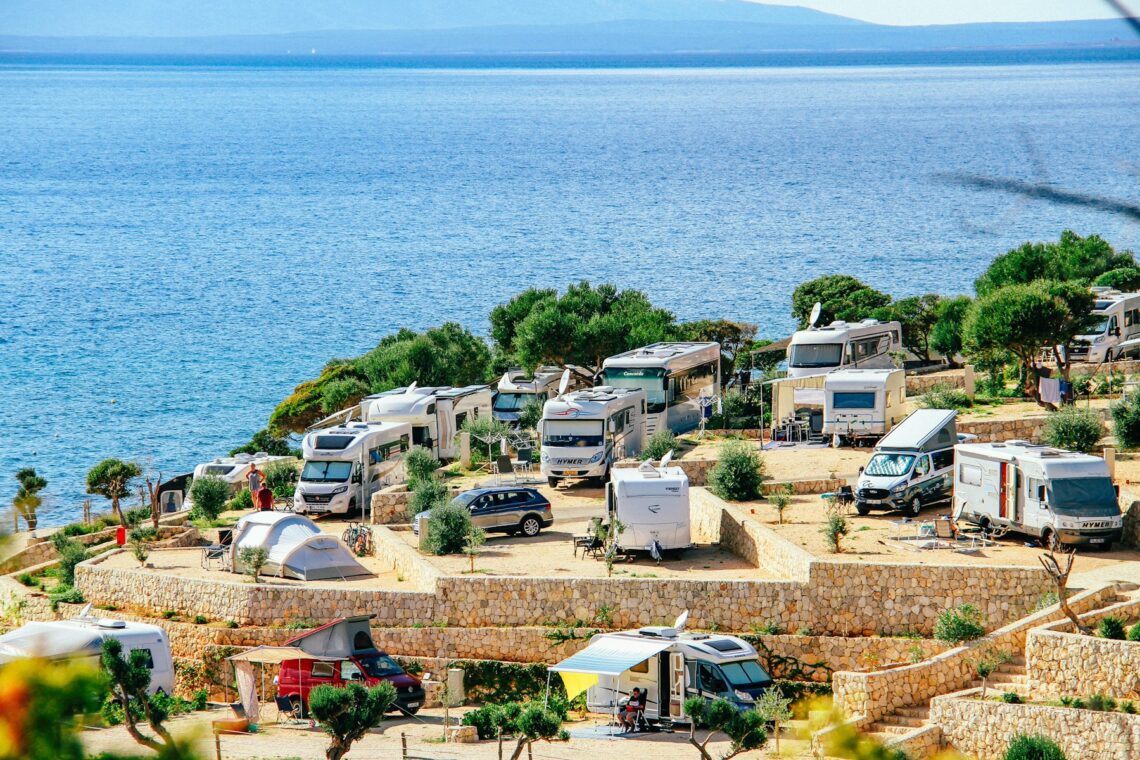
When on the road with a recreational vehicle, finding somewhere to rest often means looking at campsites or dedicated parking areas. Instead of just leaving it alone, these spots usually come equipped with power outlets, access to water, and spaces for draining tanks and disposing of waste properly. They tend to cost less than other options when you simply need a spot overnight under safe conditions. Being close to trails, lakes, or other nature spots makes the stay even more practical without sacrificing comfort much.
Some spots inside big forests or green belt reserves have room just for travel trailers and motorhomes. People working there might guide your rig into place once you arrive. Safety does not slip now and then at these places. You could step out, walk trails, check landmarks – vehicle locked, waiting nearby. Not every spot welcomes long-term storage, though. Rules exist about access times or power use during absence.
Before you go, see if spots are still open – especially when places get busy, they tend to vanish fast. Some spots let you save a spot by reserving it early, which helps avoid last-minute trouble. If you’re bringing gear or parking outside your main vehicle, certain places might offer space to keep things secure while exploring tougher-to-reach spots.
Secure Parking Lots and Storage Facilities
When needing a place to park – either just for now or later – dedicated lots and storage spaces can help. Safety comes first here, letting you enjoy time away without worry. Cameras run nonstop inside some boundaries, making tough block entry, help shows up if needed. Your car stays protected while you roam free.
When visiting popular tourist destinations or planning long excursions, it’s important to choose a designated parking spot for your vehicle while you’re not on the road. Consider using outdoor vehicle storage near Covington, which provides a secure place for your car while you explore. Whether you’re heading into the woods for a hike or enjoying water activities near town, knowing your vehicle is safely stored allows you to fully embrace your adventure without any concerns.
It’s that peace of mind that makes your travels feel stress-free and enjoyable.
Not every place stores RVs, but some do – boats too, sometimes trailers. Spaces might be under a roof or out in the open, depending on what fits your life. How long you keep things there often changes from one spot to another. Ask how people protect their gear when looking into where your stuff goes. What others say can help make that choice feel more solid.
Starting out at the trailhead, where hikers and riders begin their route across open land. Nearby, designated parking spots for vehicles are provided, keeping access clear to the nature path.
When folks head out for hikes or rides, spotting a spot close to trails usually comes first. Most trail entrances have designated parking zones – sometimes just along the road – and these spots handle larger crowds during peak seasons. Starting right where routes take off makes sense if getting into nature fast matters most.
Even though trailhead parking spots usually cost nothing, safety inside them can still feel uncertain. Not every trailhead has cameras watching over cars. Some are far from towns, tucked into quiet spots where eyes rarely scan screens. When your car stays put for hours, pick a spot that glows under bright lights. Choose areas where hikers come and go constantly. When you reach famous trails, certain starting points boast sealed parking areas behind guarded entrances – a safety thought built right in.
Know what rules apply at trailheads before arriving. Parking limits might vary – some spots close after hours. Check signs carefully; they show if staying longer is permitted. Permits could be necessary, too, so confirm ahead of your visit.
Parking at Local Businesses and Visitor Centers
Frequently, top parking spots come from neighborhood shops or info hubs for travelers. Outside popular outdoor spots, some owners permit short-term use of their parking spaces by passers-through. At park entrances, special visitor facilities tend to reserve room for guests arriving to begin nature trips.
Before stepping away from your car, double-check with the shop or visitor spot if parking is allowed. Often, places welcome guests by allowing parking, yet speaking up shows respect. What helps during your trip? A few visitor spots hand out guides, details about the town, plus tips on what to do next – useful when starting out.
Safe and Secure Parking Is Key to a Stress-Free Adventure
A spot where you can leave your car without worry opens up better moments for exploring nature. National parks, campgrounds, lots near trails, even secured storage bays – each has its own calm. Wherever it is, picking safe ground helps steady your trip. That kind of place lets adventure breathe easier.
Out by the sheds storing cars outside Covington, your choices extend beyond just that. Think about spots like well-guarded trail ends or quiet spots near hiking trails. Before leaving your car, look into the safety measures built into each area. Make sure that where you leave it is allowed and protected from harm. Once sorted there, attention shifts more easily to finding quiet moments shaped by trees, light, or stream sounds.
Read more lifestyle and travel articles at ClichéMag.com
Images provided by Deposit Photos, BingAI, Adobe Stock, Unsplash, Pexels, Pixabay Freepik, & Creative Commons. Other images might be provided with permission by their respective copyright holders.