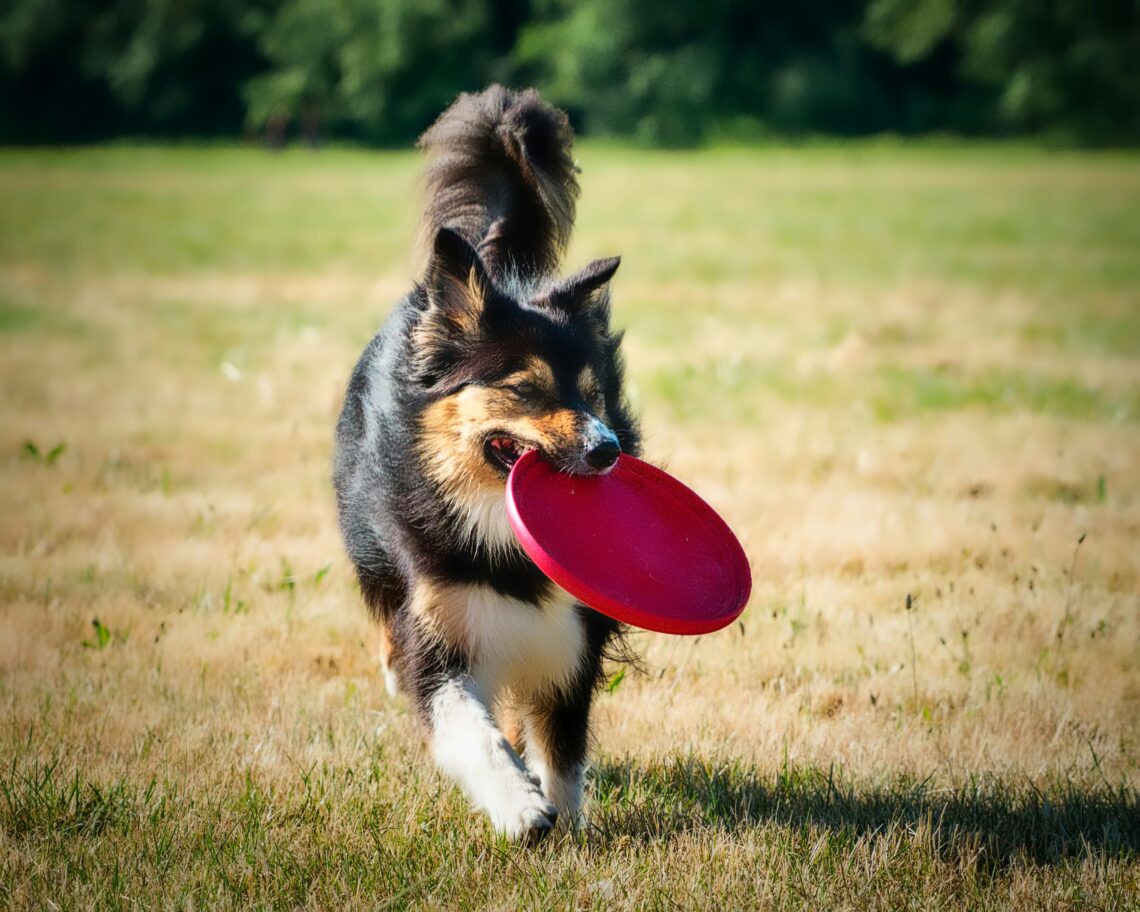

There’s a moment that happens to a lot of people. You’re scrolling, maybe late at night, and there it is. A perfectly lit photo of a dog that looks like it stepped out of a dream. Soft fur, soulful eyes, maybe a little bandana tied just right. It feels like more than a picture. It feels like a sign.
And just like that, you start imagining your life with that dog. But here’s the quiet truth most people don’t talk about. A dog isn’t a photo. It’s a daily rhythm. It’s a long-term relationship that asks something from you every single day.
Choosing a dog based on what fits your life, rather than what fits your feed, is one of the most important decisions you can make as a future pet owner.
The Gap Between Image and Reality
Social media does a great job of showing highlights. A golden retriever running through a field. A husky howling in the snow. A doodle breed sitting calmly in a sunlit kitchen. What you don’t see is the full picture.
You don’t see the shedding season that seems to last forever. You don’t hear the early morning barking or the anxiety some breeds experience when left alone. You don’t feel the weight of a high-energy dog that still needs a long walk after you’ve had an exhausting day.
It’s not that these dogs are difficult. It’s that they’re real. And real life doesn’t always match the aesthetic.
Start With Your Actual Life
Before choosing a breed, it helps to pause and take an honest look at your day-to-day life. Are you home often, or gone for long stretches?
Do you enjoy being active, or do you prefer slower, quieter routines? Is your living space small and contained, or open with room to roam?
These questions matter more than you might think. A high-energy working dog might look incredible in videos, but without enough stimulation, that same dog can become restless and destructive. On the other hand, a lower-energy companion might not photograph as dramatically, but it could fit seamlessly into your routine.
The goal isn’t to find the most impressive dog. It’s to find the right match.
The Hidden Work Behind “Easy” Breeds
Some dog breeds are often labeled as easy or beginner-friendly, especially online. But “easy” is always relative.
Even dogs known for their calm temperament still need structure, consistency, and daily attention. And then there’s grooming, which people tend to underestimate. That soft, fluffy coat you see in photos usually means regular brushing, routine maintenance, and professional grooming to keep it in good condition.
This becomes even more relevant with popular mixed breeds like Bernedoodles. A lot of people start their search for the best Bernedoodle breeders because they’re drawn to the idea of a friendly, low-shedding dog with that teddy-bear look. And yes, Bernedoodles can be affectionate, social, and great with families. But they’re also a mix of two intelligent, high-energy breeds, which means they need mental stimulation, consistent training, and regular activity to stay balanced.
Their coats can vary widely, but many require frequent brushing to prevent matting and ongoing grooming appointments. They also tend to form strong attachments, so they don’t always do well if left alone for long periods without proper training.
No dog is truly low-maintenance. Some are just better at hiding it in pictures.
Energy Levels Are Everything
One of the biggest mismatches happens around energy. Some dogs are built to move. They need long walks, play sessions, and mental challenges. Without that, they don’t just get bored. They struggle.
Others are more adaptable. They’re content with moderate exercise and a lot of time spent simply being near you. Neither is better. They’re just different.
If your schedule is packed, choosing a high-energy breed can quietly create stress for both you and the dog. But if you love being outdoors and active, a more laid-back dog might not meet you where you are.
It’s less about preference and more about alignment.
Time, Money, and Emotional Investment
It’s easy to think of dog ownership in terms of love and companionship. And that’s a big part of it. But there are also practical layers.
Vet visits, food, grooming, training, and unexpected health issues all require financial planning. Time is another major factor. Dogs don’t pause when your schedule gets busy. They still need care, attention, and presence. And then there’s the emotional side.
Dogs bond deeply. They rely on you not just for survival, but for stability and connection. That’s a responsibility that goes beyond convenience.
Choosing With Intention
So what does it look like to choose intentionally? It starts with research, but not just surface-level reading. Look into breed traits, common challenges, and real owner experiences. Talk to people who already have the kind of dog you’re considering.
Spend time imagining your life not on the best day, but on a regular one. A weekday when you’re tired. A weekend when plans change. Would this dog still fit into that version of your life? That’s the question that matters.
It’s Okay to Choose Differently
There can be a quiet pressure to choose a dog that feels impressive or recognizable. A breed that gets attention. A look that stands out. But the best choice is often the one that feels calm and sustainable.
A dog that matches your pace. A dog that fits into your space without constant friction. A dog whose needs you can meet not just occasionally, but consistently.
That kind of choice might not go viral.
But it creates something better. A relationship that works.
The Long View
Dogs aren’t a short-term experience. They’re part of your life for years. The excitement at the beginning matters, but it fades into something deeper. Routine. Familiarity. Trust.
When you choose a dog that aligns with your lifestyle, that long-term experience becomes steadier. More grounded. More fulfilling.
And in many ways, that’s what you’re really choosing. Not just a dog, but a shared life.
Read more lifestyle and pet articles at ClichéMag.com
Images provided by Deposit Photos, BingAI, Adobe Stock, Unsplash, Pexels, Pixabay Freepik, & Creative Commons. Other images might be provided with permission by their respective copyright holders.