
Last Updated on July 6, 2026 by Cliche
Hops are the soul of beer. Without them, you’re basically left with sweet, fermented grain water. But add the right ones, and you unlock layers of aroma, flavour, and character that turn a good homebrew into something special. From bright citrus and juicy tropical fruit to earthy pine and spicy herbal notes, hops define a beer’s personality. The challenge is that there are well over a hundred different varieties out there, each with a unique vibe.
The best choice you can make for homebrewing is vacuum-packed beer hops. The vacuum sealing process removes nearly all the oxygen, which is the biggest threat to hop quality. This keeps them much fresher, more aromatic, and full of flavour for a longer period compared to loose or poorly packaged hops. Because they’re protected from air and moisture, they’re far less likely to go stale or lose their essential oils. This translates into cleaner bitterness, stronger aroma, and more consistent results, especially when brewing hop-heavy drinks like IPAs or pale ales.
What Are Beer Hops?
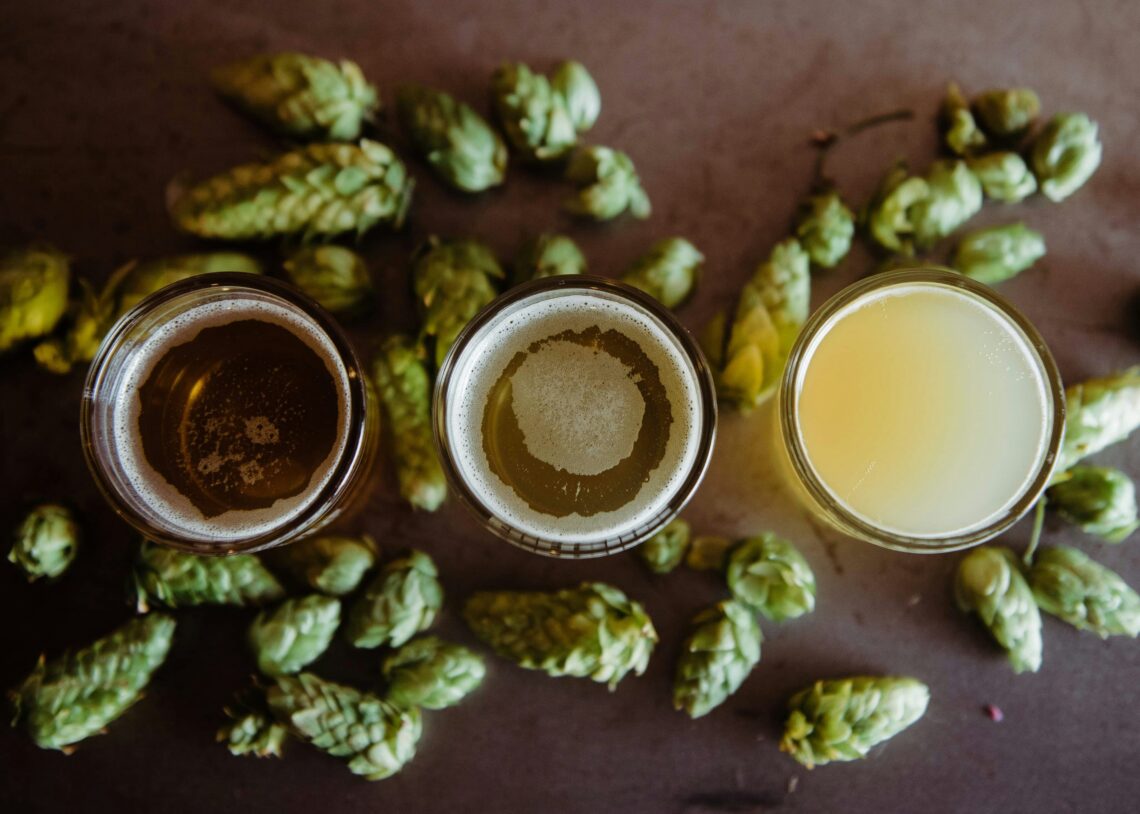
Hops are the small, cone-shaped flowers of a plant known as Humulus lupulus. While they might look unassuming, they play a massive role in turning basic fermented grain into beer.
Inside each cone are two essential components. One group delivers bitterness that beautifully balances the natural sweetness of the malt, preventing the drink from tasting too sugary. The other group consists of fragrant oils that bring all the wonderful aromas and flavours we love, from bright citrus and floral notes to earthy, resinous, or tropical characters.
These two elements create depth, balance, and personality in every brew. Without them, you’d simply have sweet, boozy grain water. With them, you get something complex, interesting, and truly drinkable.
Different Types of Hops
Not all beer hop varieties do the same job. Some lay the foundation for bitterness, others contribute layers of flavour, while a few are chosen mainly for their enticing aromas. Knowing when to use each type can make a huge difference to the finished drink.
-Bittering varieties: These beer hops are typically rich in alpha acids and are added near the beginning of the boil. Their main role is to balance the sweetness from the malt and give beer its characteristic bite. Popular choices include Magnum, Warrior, and Columbus. A little goes a long way, so it’s best not to overdo them.
-Flavour varieties: Added later in the brewing process, these help shape the beer’s overall character. Depending on the variety, they can introduce hints of citrus, resin, tropical fruit, herbs, or spice. Centennial, Amarillo, and Mosaic are favourites among brewers looking to create more complex profiles.
-Aroma varieties: These beer hops online are often introduced towards the end of the boil or during dry hopping to preserve their delicate aromatic compounds. They provide the inviting scents that greet you before the first sip. Cascade, Citra, and Simcoe are well known for producing bright, fresh aromas that stand out in many modern styles.
How to Choose the Right Ones
So, how do you choose hops for beer? Before you buy beer hops, consider the type of beer you want to brew. Some styles call for bold, expressive flavours, while others benefit from a more restrained touch. Here are a few ideas to get you started:
-IPAs: Fruity and intensely aromatic varieties tend to shine in IPAs. Options such as Citra, Mosaic, and Galaxy can bring notes of citrus, mango, and passionfruit, helping create the bright, juicy character many fans enjoy.
-Stouts and porters: Dark beers pair well with traditional English varieties that offer earthy, woody, or lightly spicy qualities. Fuggle and East Kent Goldings complement roasted malts without overpowering their rich chocolate and coffee-like notes.
-Lagers: Clean, crisp lagers are often brewed with Noble varieties like Saaz or Hallertau. These provide gentle bitterness and subtle floral aromas that enhance the drink’s refreshing nature.
-Experimental brews: If you enjoy trying something different, modern beer hop varieties can open plenty of possibilities. Sabro is known for its creamy coconut and tropical character, while Nelson Sauvin contributes distinctive grape-like and white wine-inspired notes that can make a recipe stand out.
Tips for Beginners
If you’re just getting started with beer hop varieties, keep things simple. One of the easiest mistakes to make is using ingredients that have been sitting around for too long. Over time, they lose their aroma and flavour, so storing unopened packs in the freezer is a great way to help preserve their quality. It’s also worth resisting the urge to experiment with too many varieties in a single batch. Starting with one or two selections allows you to better understand the character each one brings to your beer and makes it easier to fine-tune future recipes.
Another useful thing to pay attention to is the alpha acid percentage. Varieties with higher levels contribute more bitterness, while lower percentages tend to produce a gentler finish. Learning how this affects the balance of your brew will help you create beers that are more in line with the flavours you enjoy drinking.
Suggested Hop Combinations
If you’re not sure where to start, a few tried-and-tested pairings can take a lot of the guesswork out of brewing. Certain combinations just naturally work well together, balancing each other in a way that feels almost effortless.
For bright, citrus-forward pale ales and IPAs, Cascade paired with Citra is a popular choice, giving you that bold, zesty character. If you’re aiming for a clean, refreshing lager, Saaz alongside Hallertau keeps things smooth and understated without overpowering the malt. Amarillo and Simcoe make a great duo for more modern, hop-forward options, blending fruity sweetness with a touch of pine. And for something more traditional, Fuggle with East Kent Goldings brings a deep, earthy profile that fits beautifully into darker styles like stouts and porters.
Bottom Line
At the end of the day, these little ingredients do far more than just add bitterness. They shape the character of your brew. From bright and fruity to earthy or floral, the right choice (or mix) can transform the result. The best approach is to keep things simple at first, try different combinations over time, and see what suits your taste. Brewing is meant to be hands-on and enjoyable, so there’s plenty of room to experiment and find your own style along the way.
Read more lifestyle articles at ClichéMag.com
Images provided by Deposit Photos, BingAI, Adobe Stock, Unsplash, Pexels, Pixabay Freepik, & Creative Commons. Other images might be provided with permission by their respective copyright holders.