
Buying a firearm isn’t like picking up a new gadget or ordering something online. It’s a decision that sticks with you, and it comes with real responsibility – both legally and personally.
Alabama makes it relatively easy to purchase a gun, which can be a good thing, but it also means the responsibility falls more heavily on you to make smart, informed choices. You wouldn’t be alone in this responsibility, though – with more than 55% of the state’s adult population owning a gun.
Of course, the popularity of gun ownership does not mean you should not give this purchase a lot of thought. So, if you’re thinking about buying a guy, here are five things worth slowing down and really considering first.
Purpose and Type of Firearm
Before anything else, ask yourself a simple question: What do you actually need this for?
A lot of people skip this step or assume one type of gun fits every situation – but that’s not really how it works. If you’re thinking about home defense, then you’ll probably want something that’s easy to handle in tight spaces – such as a handgun or possibly a shotgun. If you’re interested in hunting, on the other hand, your choice will depend on what you’re hunting – deer, small game, etc. And if you just want something for the range, you might prefer something lightweight and easy to shoot for long periods.
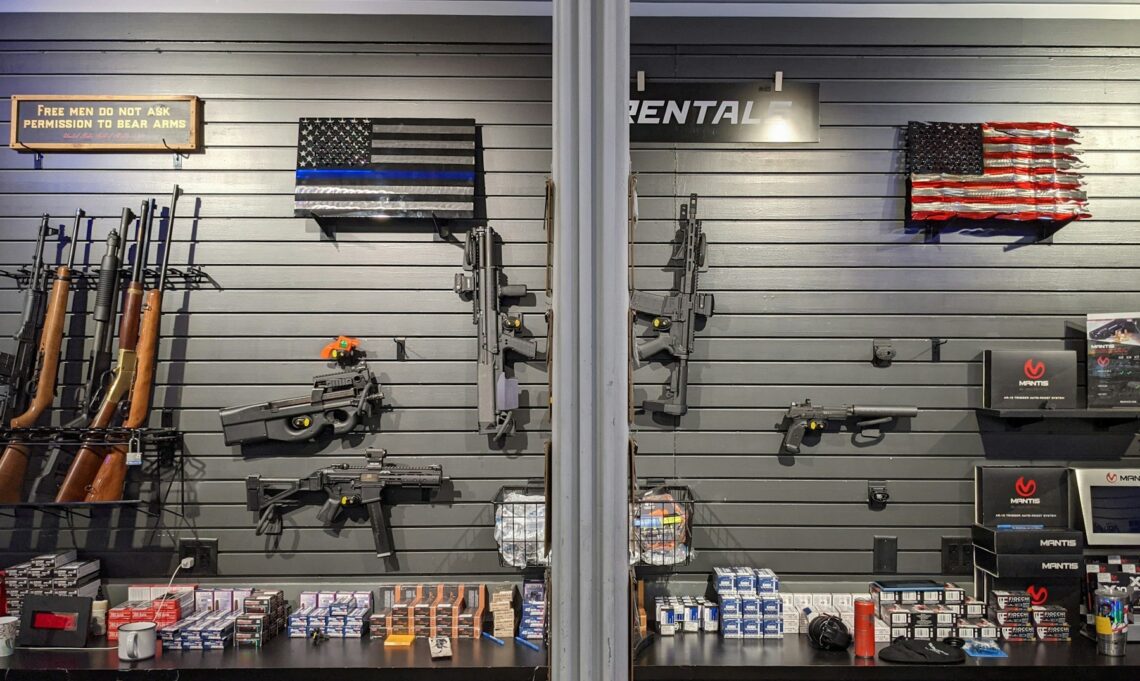
There’s also the feel of the gun itself, which matters much more than people expect. Some firearms look great online or in a catalogue but feel awkward or uncomfortable when you actually hold them. Recoil, weight, etc. – all of that adds up. If you can, try renting or testing a few options at a range before you buy. It’s one of the easiest ways to avoid regret later.
Age and Legal Eligibility
This part isn’t exciting, but it’s absolutely essential.
In Alabama, the basics are straightforward: you need to be at least 18 to buy a rifle or a shotgun from a licensed dealer, and 21 for a handgun. Most purchases will include a background check, so don’t be surprised when this is required.
Where people can get into serious trouble is not fully understanding who is legally allowed to own a firearm – and who isn’t. Certain situations automatically disqualify someone, like felony convictions or specific domestic violence charges. And this isn’t something you want to misunderstand. A charge like felon in possession of a firearm Alabama isn’t minor – it can carry heavy, long-term consequences.
Even beyond your own eligibility, there’s also responsibility in how firearms are transferred. Selling or giving a gun to someone who shouldn’t have one can create legal problems for you, too. When in doubt, take the time to double-check the law.
Training and Proficiency
A gun is not something you want to “figure out as you go.”
You don’t need to be an expert from the get-go, but you do need to know what you’re doing. That starts with basic training – learning how to safely handle, load, unload, and store your firearm. These are fundamentals, but they’re not optional.
Training also builds confidence, which matters more than people think. In a stressful situation, you’re not going to rise to the occasion all of a sudden – you’re going to fall back on what you’ve practiced. If you’ve never practiced, that’s a problem.
And practice shouldn’t stop after one class. Shooting is a perishable skill. Even occasional shooting range time can make a big difference in how comfortable and competent you feel. It also helps you figure out whether the gun you bought is actually right for you.
Storage and Safety Solutions
This is one of those things people tend to think about after they buy a gun – but it really should come first.
Where and how are you going to store it?
If you live alone, then your setup might be simple. But if you have kids, roommates, or frequent visitors, secure storage becomes critical. A firearm left unsecured can be accessed by someone who doesn’t understand it – or worse, someone who intends to misuse it.
There are plenty of options out there: trigger locks, lockboxes, safes with keypads or biometric access. The right choice depends on your situation, but the goal is always the same – prevent unauthorized access while still allowing you to get to your firearm when you need it.
You should also think about ammunition. Keeping it stored separately isn’t a bad idea, particularly in households with children.
Even if the law doesn’t spell out every detail, this is one area where personal responsibility really matters.
Optional Permit Benefits and Location Restrictions
Alabama allows permitless carry, which leads some people to assume permits aren’t worth bothering with. But that’s not entirely true.
Having a concealed carry permit can still make things easier in certain situations – especially if you travel. Many states recognize Alabama permits, which can simplify things if you’re crossing state lines. It can also make interactions with law enforcement a bit smoother in some cases.
That said, a permit doesn’t mean you can carry everywhere. There are still places where firearms aren’t allowed, like courthouses, certain government buildings, and some private properties.
This is one of those areas where it’s easy to make an honest mistake – but the consequences can still be serious. So, it’s worth taking the time to understand where you can and can’t carry.
To conclude, buying a gun isn’t just about the transaction – it’s about everything that comes with it. It’s about knowing why you want one, making sure you’re legally in the clear, taking the time to learn how to use it properly, and putting the right safety measures in place.
None of this is complicated, but it does require intention. Slowing down and thinking it through now can save you a lot of trouble – and potentially prevent serious harm – later.
A firearm can be a useful tool. But like any tool, it depends entirely on the person using it. Taking the time to do it right is what makes all the difference.
Read more lifestyle articles at ClichéMag.com.
Images provided by Deposit Photos, BingAI, Adobe Stock, Unsplash, Pexels, Pixabay Freepik, & Creative Commons. Other images might be provided with permission by their respective copyright holders.