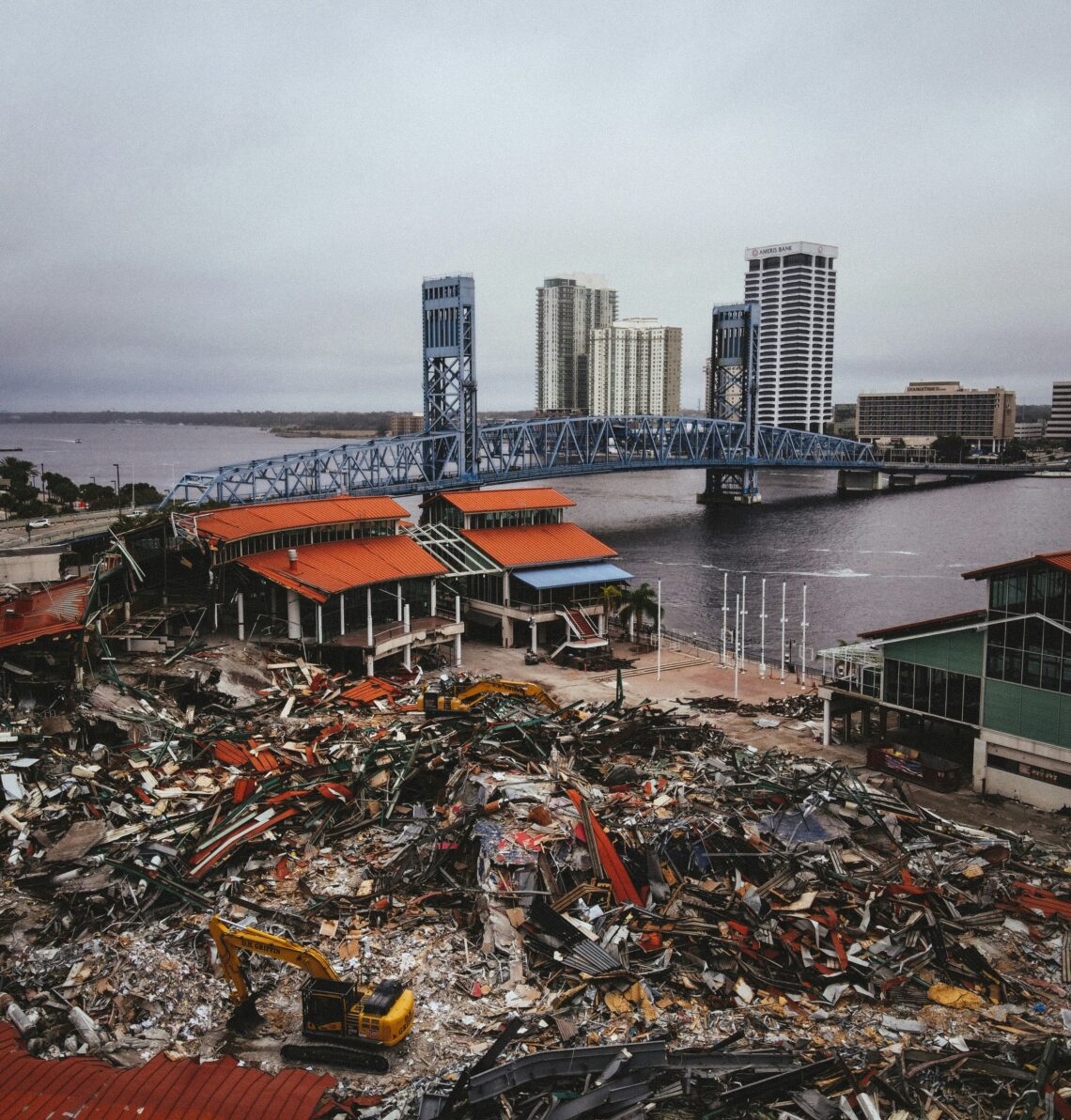

Insurance disputes after a hurricane often turn on shifting explanations that reduce payment without fully accounting for visible storm damage. A claim may begin as covered wind loss, then move toward flood, wear and tear, or prior deterioration, leaving owners with a smaller estimate and no clear written basis for the change in the carrier’s position.
Strong claim handling starts with documentation that ties every insurer position to policy language, inspection findings, and repair evidence from the property. Written explanations, complete reports, contractor estimates, dated photographs, and a record of delays create a factual framework that limits vague conclusions and gives owners a stronger basis for challenging undervalued storm losses after disasters.
Blame Reassignment Tactics
Inspection notes and adjuster summaries sometimes change after the first visit, especially when the carrier starts looking for a cheaper cause of loss. You might see wind damage reclassified as flooding, or a new claim that the issue is wear and tear or “pre-existing” damage with no photos, testing, or dates to back it up. Those label changes can quietly move parts of your loss into exclusions or higher deductibles.
Written questions keep the claim grounded in what your policy actually says. Ask the insurer to cite the exact policy provision they are relying on, explain why the original cause assessment changed, and provide the full report and supporting documentation. If the answers stay vague or continue to change, a hurricane claims lawyer can press for consistency and stop unsupported blame from influencing the payout.
Policy Language Leverage
Commercial property policies contain clauses that directly control how claim payments are calculated after a storm. Anti-concurrent causation language, sublimits, waiting periods, and percentage deductibles can change the outcome even when roof damage, water intrusion, and interior losses trace back to the same weather event documented during inspection and repair review.
A useful challenge compares the insurer’s explanation to the exact wording in the policy package, including endorsements that restore limited coverage or narrow exclusions. When a denial letter cites only broad labels instead of contract language, owners can demand a provision-specific response that matches the claimed damage, deductible calculation, and repair scope for each damaged component.
Disputing Causation Findings
Engineering write-ups often focus on a single cause to limit what the insurer pays, even when the damage pattern suggests multiple forces at work. A report might blame settling or age while overlooking lifted shingles, broken fasteners, or impact marks that line up with the storm date. Narrow conclusions like these can reduce the repair scope and leave out related interior damage.
Full reports matter because short summaries can skip photos, test methods, and the assumptions behind the conclusion. Ask for the complete engineering file, then line it up with contractor estimates, moisture readings, and dated images from your site. If the report leans on regional storm data instead of conditions at your property, point out each mismatch so your challenge stays tied to observable damage.
Timing and Pressure Points
Claim timelines can stretch out with long gaps between inspections, follow-up calls, and any real coverage decision. That dead time wears people down and can make a low offer feel like relief, especially when the insurer keeps conversations on the phone and avoids clear next steps. Written communication helps because it creates a dated record of what was requested, what was answered, and what was ignored.
A simple claim log can show patterns that matter in negotiations, including how many days pass without an update and how often new “review” stages appear. When contractor pricing climbs, material costs rise, or temporary repairs turn into larger work because of waiting, keep those invoices and updated estimates and tie them to the delay. A tighter timeline makes it harder for silence to become leverage during settlement talks.
When Legal Action Forces Movement
Legal action gains traction when the dispute is organized around specific payment gaps and documented claim handling problems. A strong demand identifies unpaid repair items, attaches competing estimates, cites the policy provisions supporting coverage, and asks for a written response to each reduction. Specific deadlines also limit delay tactics and force clearer decision-making from the carrier.
Once formal discovery begins, internal claim materials can expose changes that were never explained to the property owner. Adjuster notes, supervisor comments, vendor emails, and earlier report drafts may show revised causation opinions, omitted damage categories, or review patterns that conflict with the insurer’s stated basis for limiting payment. Those records can materially strengthen negotiations or litigation.
Commercial storm disputes are easier to challenge when the record stays anchored to documents instead of shifting verbal explanations. Owners should match every insurer position to policy wording, inspection findings, repair estimates, dated photographs, and a clear timeline of requests and delays. That approach narrows room for vague exclusions, unsupported causation changes, and underpriced repair scopes. When written responses remain inconsistent, missing, or incomplete, pressure increases through firm deadlines, competing expert support, and legal review focused on specific payment gaps. Organized documentation does not resolve every dispute, but it improves leverage and supports stronger recovery.
Read more legal articles at ClichéMag.com
Images provided by Deposit Photos, BingAI, Adobe Stock, Unsplash, Pexels, Pixabay Freepik, & Creative Commons. Other images might be provided with permission by their respective copyright holders.