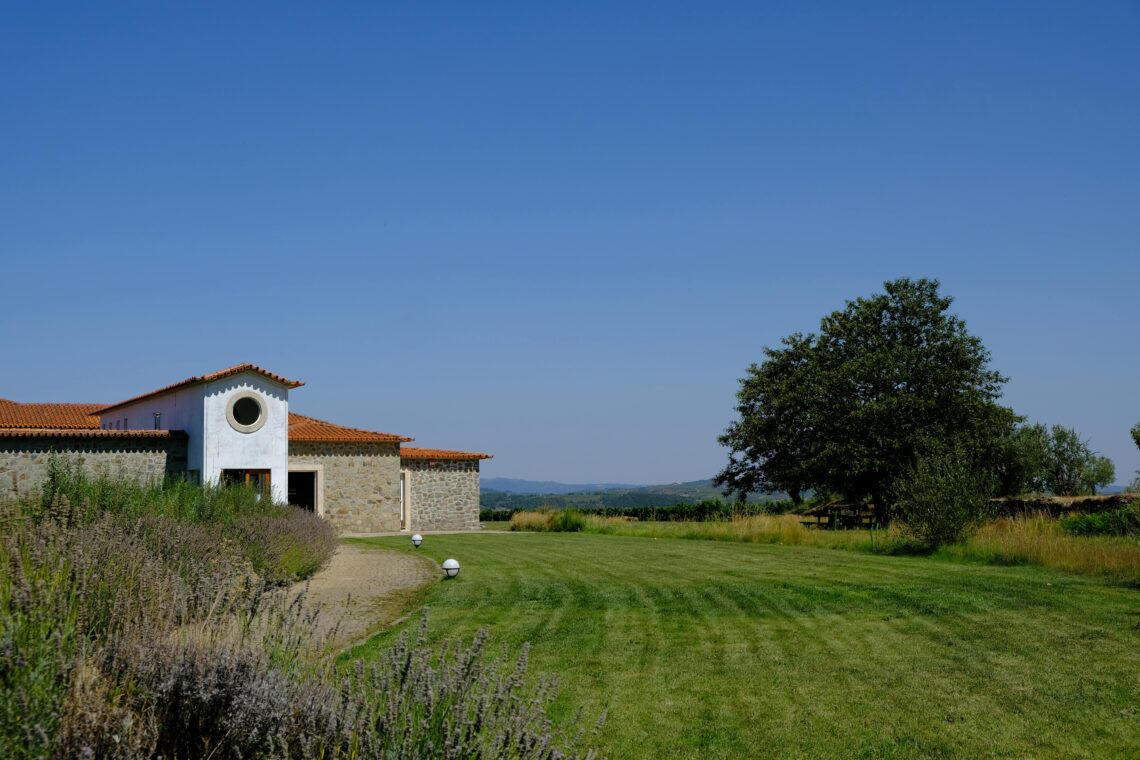

From Lisbon’s sun-drenched azulejo tiles to Alentejo’s minimalist farmhouses – Portugal has become Europe’s hottest destination for design-forward living
There’s something magical about Portuguese light that designers and photographers instantly recognize. It’s not just the Atlantic proximity or the 300+ days of sunshine annually – it’s the way light interacts with whitewashed walls, terracotta roofs, and centuries-old architectural elements to create spaces that feel simultaneously timeless and utterly contemporary.
This unique quality has transformed Portugal from Europe’s best-kept secret into its most sought-after destination for design-conscious buyers. But what’s driving this aesthetic migration isn’t just beautiful buildings – it’s a complete design philosophy that prioritizes authentic living over superficial luxury.
The Portuguese Design Philosophy: Less Is More, But Better
Portuguese design operates on a principle that feels revolutionary in today’s world: authentic materials, honest construction, and spaces that develop character over time rather than appearing artificially aged. This approach appeals to design lovers tired of mass-produced aesthetics and cookie-cutter luxury.
The numbers tell a compelling story: international design-focused property purchases in Portugal have increased by 285% since 2019, with buyers specifically seeking properties that embody authentic Portuguese architectural character rather than generic modern luxury. These buyers aren’t just purchasing homes – they’re investing in a lifestyle philosophy that values craftsmanship, sustainability, and cultural authenticity.
- The Azulejo Renaissance Portugal’s iconic blue-and-white tiles represent more than decorative elements – they’re living cultural heritage. Contemporary Portuguese designers are reinventing the azulejo tradition, creating modern interpretations that honor historical techniques while embracing contemporary aesthetics. Today’s design-forward homes feature everything from restored 18th-century tile panels to custom geometric installations that bridge centuries of craftsmanship.
- Material Authenticity Portuguese design celebrates materials that age gracefully: exposed stone walls that develop patina over decades, natural wood floors that show life’s journey, lime plaster that breathes with seasonal changes, and terracotta tiles that warm underfoot. This material honesty creates spaces that feel lived-in and loved rather than artificially preserved.
- Light as Design Element Traditional Portuguese architecture prioritizes natural light through strategic window placement, interior courtyards, and high ceilings. These design elements create spaces that feel open and airy without relying on artificial lighting or energy-intensive climate control – a principle that resonates with today’s sustainability-conscious design enthusiasts.
Regional Design Identities: Finding Your Portuguese Style
Portugal’s compact geography contains remarkable design diversity, each region offering distinct aesthetic personalities that appeal to different design sensibilities.
- Lisbon: Urban Sophistication Meets Historic Charm Lisbon offers the ultimate design diversity, from Belle Époque apartments with soaring ceilings and original parquet floors to industrial loft conversions in former factory buildings. The Alfama district’s medieval warren provides authentic historic character, while Chiado offers refined 18th-century elegance. Design-forward buyers particularly love Príncipe Real’s bohemian sophistication and Santos’ emerging design district with contemporary galleries and innovative restaurants.
- Porto: Industrial Edge Meets Artistic Soul Porto’s design aesthetic leans grittier and more authentic than Lisbon’s polished sophistication. Granite dominates where Lisbon uses limestone, creating spaces with substantial presence and character. The city’s industrial heritage provides exceptional conversion opportunities – warehouses and port wine lodges transformed into dramatic living spaces with exposed brick, steel beams, and river views.
- Alentejo: Minimalist Rural Elegance The southern plains offer Portugal’s most authentic minimalist aesthetic. Low, whitewashed farmhouses with terracotta roofs, former agricultural estates (montes) converted into contemporary retreats, and landscapes that reward architectural restraint. This region appeals to design lovers seeking authentic rural living with sophisticated simplicity.
- Algarve: Coastal Living with Traditional Roots Beyond the tourist developments lies an older Algarve of traditional houses with distinctive chimney pots, courtyard gardens, and village-scale architecture. Design-forward buyers here seek properties that balance coastal living with authentic Portuguese character – homes that feel connected to both sea and land.
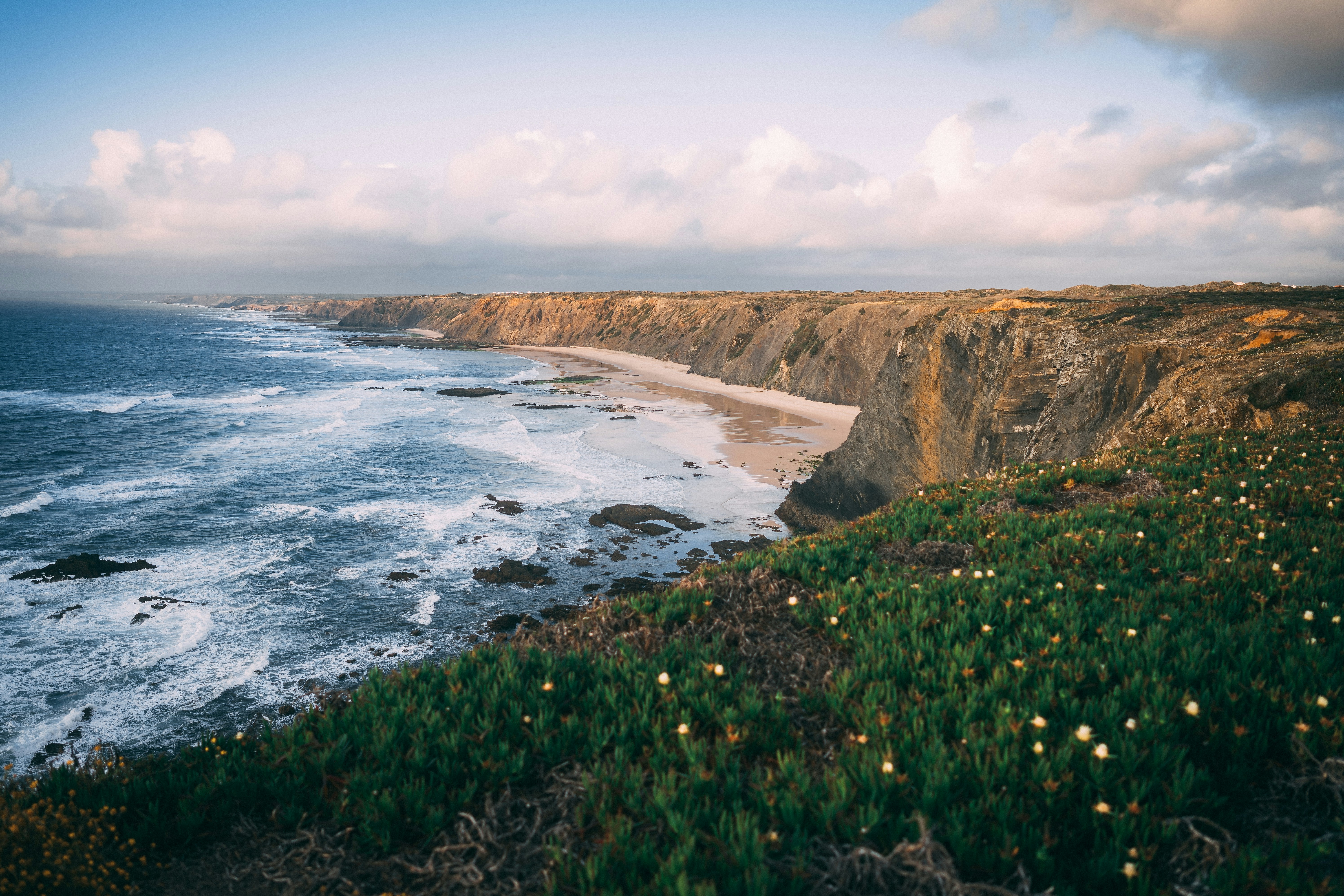
Photo by Thibault Mokuenko on Unsplash
For design-focused buyers, Portugal’s property market presents unique challenges. Not every listing captures the aesthetic potential that makes the country compelling, and superficial renovations can destroy the very character that makes Portuguese properties special.
The most successful design buyers understand that authentic Portuguese properties require specialized knowledge to identify. This is where working with professionals who understand both market dynamics and design values becomes essential. Independent buyer representation – specialists focused entirely on the purchaser’s interests – can distinguish between properties with authentic character versus those with superficial renovations that miss the point entirely.
According to recent market analysis, design-focused buyers who work with specialized Portuguese property experts are 67% more likely to find properties with authentic architectural features and 45% less likely to overpay for superficially renovated spaces. This expertise becomes particularly valuable when navigating the complex landscape of heritage restrictions, renovation requirements, and authentic material sourcing.
Essential Considerations for Design Buyers:
- Original Feature Preservation: Has renovation preserved or destroyed authentic elements? Original azulejo tiles, period woodwork, traditional flooring, and historic ironwork details are impossible to replicate authentically and significantly impact both aesthetic value and long-term investment potential.
- Structural Integrity vs. Character: Beautiful old buildings sometimes hide expensive structural problems. Professional surveys before purchase protect against costly surprises while preserving the character elements that make Portuguese properties special.
- Renovation Potential Assessment: Some real estate properties shine through thoughtful renovation that reveals hidden beauty. Seeing this potential requires experience with Portuguese construction methods and imagination for what could be rather than what currently exists.
- Light Quality Analysis: Visit properties at different times of day. Northern versus southern exposure dramatically affects how spaces feel and function throughout the year. Portuguese design traditionally prioritizes natural light, and understanding this principle helps identify properties with optimal lighting characteristics.
- Neighborhood Design Context: A beautiful apartment in a characterless building or bland neighborhood disappoints long-term. Surroundings matter – authentic Portuguese neighborhoods enhance property character, while generic developments diminish it.
The Renovation Journey: Shaping Your Portuguese Design Vision
Many design-focused buyers choose properties requiring renovation – accepting the complexity for the opportunity to shape spaces precisely according to their aesthetic vision. Portuguese renovation involves specific considerations that differ significantly from other countries.
- Heritage Conservation Requirements: Historic center properties often face conservation requirements that limit exterior changes and some interior modifications. These restrictions, while challenging, also protect the authentic character that makes Portuguese properties valuable to design enthusiasts.
- Craftsman Sourcing: Quality varies significantly in the Portuguese contractor landscape. Finding reliable craftspeople, particularly for traditional techniques like azulejo restoration, lime plaster application, and historic woodwork preservation, requires established networks and patience.
- Authentic Material Hunting: Sourcing authentic materials – reclaimed tiles, traditional lime plaster, heritage paint colors, period-appropriate hardware – requires knowledge of Portuguese suppliers and salvage netw
rks. These materials exist but require hunting and relationships with specialized suppliers. - Timeline Reality: Portuguese construction operates on its own cultural timeline. Projects typically take 25-35% longer than estimated in other countries. Building in buffer time preserves sanity and allows for the careful, craftsmanship-focused approach that characterizes Portuguese building traditions.
- Budget Contingency Planning: Older buildings inevitably reveal surprises during renovation. Experienced design buyers budget 20-30% contingency for unexpected discoveries, particularly when working with historic poperties where hidden structural issues or heritage requirements may emerge.
The Portuguese Design Lifestyle: Beyond Architecture
What distinguishes Portugal for design lovers extends far beyond the buildings themselves – it’s the surrounding culture th
t supports and enhances design-conscious living.
- Markets and Antiques Culture: From Lisbon’s legendary Feira da Ladra (thieves’ market) to regional antique fairs in Porto and the Algarve, sourcing unique objects and authentic pieces is integral to Portuguese design culture. These markets offer everything from 18th-century azulejo panels to mid-century modern furniture with Portuguese provenance.
- Contemporary Design Scene: Lisbon’s design community has exploded in recent years, with galleries, studios, and design-focused retailers offering continuous inspiration. The city now hosts annual design weeks, contemporary furniture fairs, and innovative exhibitions that showcase both Portuguese and international design talent.
- Living Craft Traditions: Portuguese craft traditions remain remarkably accessible for both appreciation and commission. Ceramics studios, textile workshops, woodwork artisans, and metalwork craftspeople continue traditional techniques while embracing contemporary design sensibilities. Design buyers can commission custom pieces that blend seamlessly with their Portuguese properties.
- Climate-Enabled Outdoor Living: Portugal’s climate enables design that extends beyond interior walls. Terraces, courtyards, and gardens become integral living spaces most of the year. This outdoor-indoor integration represents a core principle of Portuguese design philosophy – living in harmony with natural elements rather than separating from them.
The Investment Perspective: Design as Value Driver
Design-conscious properties in Portugal consistently outperform generic investments in both rental premium and resale value. According to recent market analysis, properties with authentic Portuguese architectural features command 15-25% rental premiums and appreciate 8-12% faster than comparable renovated properties lacking authentic character.
Portuguese property values have appreciated significantly over the past five years, but quality remains relative value compared to other major European cities. A design-significant apartment in Lisbon’s Príncipe Real costs roughly half what equivalent space in Paris’s Marais would command, while offering arguably superior architectural character and lifestyle quality.
For those drawn to Portugal’s aesthetic appeal, combining lifestyle aspiration with investment logic creates compelling opportunity. The country’s growing reputation as a design destination, combined with increasing international demand for authentic architectural experiences, suggests strong continued appreciation potential for properties that embody genuine Portuguese design character.
Your Portuguese Design Story
Portugal’s emergence as Europe’s hottest design destination reflects broader shifts in how we think about homes, luxury, and authentic living. Design-conscious buyers choosing Portugal aren’t just purchasing property – they’re investing in a lifestyle philosophy that values craftsmanship, authenticity, and cultural connection over superficial luxury.
The country’s unique combination of historical architecture, living craft traditions, contemporary design innovation, and climate-enabled outdoor living creates opportunities for design-forward living that simply don’t exist elsewhere in Europe at accessible price points.
For those ready to embrace the Portuguese design philosophy, the rewards extend far beyond beautiful spaces. They include connection to living craft traditions, integration with a culture that values authenticity, and the opportunity to shape spaces that reflect both personal aesthetic vision and Portuguese architectural heritage.
Your Portuguese design story awaits – whether in a Lisbon apartment with original azulejo panels, a Porto loft with exposed brick and river views, or an Alentejo farmhouse that embodies minimalist rural elegance. The key is finding the property that speaks to your design sensibility while honoring the authentic character that makes Portuguese architecture so compelling.
Read more home decor articles at ClichéMag.com
Images provided by Deposit Photos, BingAI, Adobe Stock, Unsplash, Pexels, Pixabay Freepik, & Creative Commons. Other images might be provided with permission by their respective copyright holders.