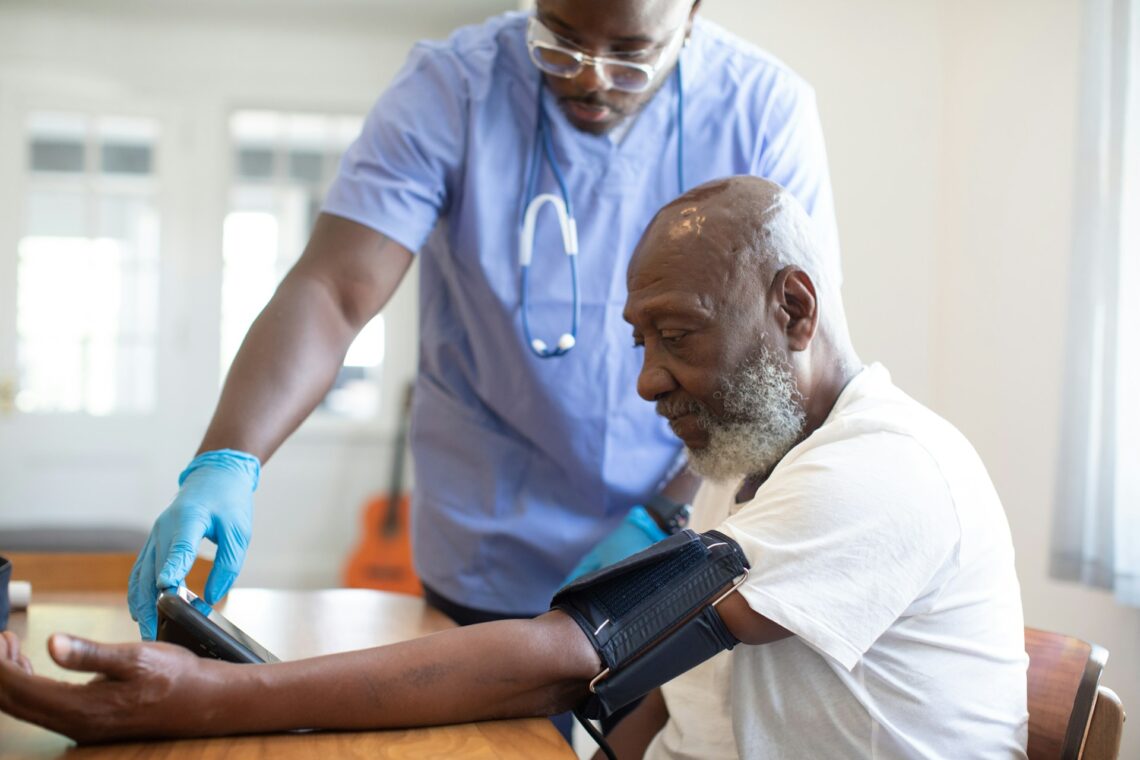

A seamless healthcare journey is more than a sequence of medical appointments. It is an interconnected process that begins the moment a patient schedules a visit and continues through diagnosis, treatment, and aftercare.
This journey shapes the patient’s confidence, comfort, and overall trust in the healthcare system. In an age where patient experience and care quality are becoming central to healthcare delivery, understanding how to make this journey smooth and efficient is essential. Every touchpoint, from the front desk to post-treatment follow-ups, contributes to the success of this system.
Advancing Expertise for a Patient-Centered System
Behind every seamless patient experience is a network of professionals who understand the value of coordination and efficiency. This understanding often begins with advanced education and leadership training.
Pursuing a Masters of Healthcare Administration online offers healthcare professionals a deeper insight into how systems operate and how care can be improved through effective management. Online education allows flexibility for working professionals and provides access to a wide range of global perspectives. It also enables learners to immediately apply theoretical knowledge to real-world healthcare settings, creating a bridge between academia and practice.
Leaders who gain such knowledge are equipped to design systems that support both medical teams and patients. They understand how to balance technology, communication, and human empathy in creating a patient journey that is not only smooth but also emotionally supportive.
The Foundation: Simplifying the Appointment Process
A seamless journey starts with scheduling. The appointment process often forms the patient’s first impression of a healthcare facility. Simple, accessible scheduling systems ensure that patients can easily book, confirm, and adjust their appointments without confusion. User-friendly online portals, clear communication from staff, and transparent instructions set the tone for a stress-free experience.
Effective scheduling also involves synchronizing different departments to minimize wait times. When physicians, laboratories, and diagnostic centers coordinate effectively, patients feel valued and respected.
The Power of Communication and Patient Engagement
Communication lies at the heart of every successful healthcare experience. Patients who understand their diagnosis, treatment options, and recovery steps are more likely to feel secure and cooperative. Healthcare professionals should maintain consistent communication before and after appointments, ensuring patients are aware of every step in their journey.
Clear instructions regarding medications, procedures, and follow-up appointments reduce anxiety and prevent errors. Moreover, patient engagement extends beyond verbal communication. Written summaries, accessible digital records, and reminders contribute to transparency and help patients stay informed.
Integrating Technology for Better Coordination
Technology has become an essential ally in creating a seamless healthcare journey. Electronic health records allow providers to share patient information securely and accurately. This ensures that every team member, from nurses to specialists, has access to up-to-date data, eliminating repetitive questions or duplicate tests.
Telehealth services also offer convenience for follow-ups and consultations, saving patients time while maintaining the quality of care. Digital reminders for prescriptions and check-ups further enhance the experience. When technology is used thoughtfully, it supports human interaction rather than replacing it.
Delivering Compassionate Care During Treatment
Once the patient enters the treatment phase, attention to comfort, respect, and emotional reassurance becomes crucial. The environment in which care is delivered should be calm, organized, and supportive. Healthcare professionals who take time to listen and address concerns help patients feel safe, especially when facing uncertainty.
Team coordination also plays a vital role. Physicians, nurses, and support staff must work in unison, ensuring that procedures are conducted smoothly and that patients never feel lost in the process.
Streamlining Discharge and Aftercare
Aftercare is often where the patient’s journey either strengthens or weakens. A truly seamless healthcare system ensures that patients leave the facility with clear instructions, accessible contact information, and confidence in managing their recovery. Proper aftercare planning includes scheduling follow-up visits, providing information about medication adherence, and ensuring access to physical therapy or counseling when needed.
Post-treatment communication should continue through phone calls, digital check-ins, or follow-up consultations. These efforts demonstrate that care does not end at discharge. Instead, it evolves into a partnership that supports long-term well-being. Patients who experience attentive aftercare are more likely to trust their providers and recommend them to others, enhancing both patient satisfaction and institutional reputation.
Building Trust Through Empathy and Consistency
Trust is the foundation of every successful healthcare relationship. It is built through consistency, transparency, and empathy at every stage of the patient journey. When patients feel heard and respected, they are more open about their symptoms and concerns, allowing healthcare professionals to provide better care.
Consistency in communication and service reinforces trust. From appointment reminders to follow-up calls, every interaction reflects a commitment to quality. This trust not only benefits individual patients but also strengthens the entire healthcare system, fostering a culture of respect and compassion.
Empowering Patients Through Education and Support
A seamless healthcare experience encourages patients to become proactive participants in their health. Educational resources, such as online guides, workshops, or support groups, give patients the confidence to make informed decisions. When patients understand the reasoning behind their treatments and know how to manage their health at home, outcomes improve significantly.
Healthcare professionals who provide guidance and resources empower patients to take responsibility for their wellness. This collaborative approach creates a sense of partnership rather than dependency, transforming the healthcare experience into a shared journey toward better health.
The Continuous Cycle of Improvement
Building a seamless healthcare journey is not a one-time goal but an ongoing process. Continuous feedback from patients and staff helps identify gaps and refine systems. Regular evaluation of patient experiences ensures that services evolve to meet changing needs.
Innovation, compassion, and education work together to drive this progress. Healthcare organizations that embrace learning and improvement become more adaptable and patient-centered. Every improvement, no matter how small, contributes to a smoother and more connected experience for patients and providers alike.
The essence of a seamless healthcare journey lies in the harmony of human care and intelligent systems. From the moment a patient schedules an appointment to the last stage of recovery, every interaction matters.
Read more healthcare articles at ClichéMag.com
Images provided by Deposit Photos, BingAI, Adobe Stock, Unsplash, Pexels, Pixabay Freepik, & Creative Commons. Other images might be provided with permission by their respective copyright holders.