
Last Updated on June 12, 2026 by Cliche
Loud is tiring. After a decade of logos, slogans, and clothes that worked hard to be noticed, a great many people have landed somewhere quieter. The most considered wardrobes now whisper rather than shout, and nowhere is that shift clearer than in what people wear off-duty, where the goal has moved away from looking impressive and towards looking calm and composed.
Understated is not boring
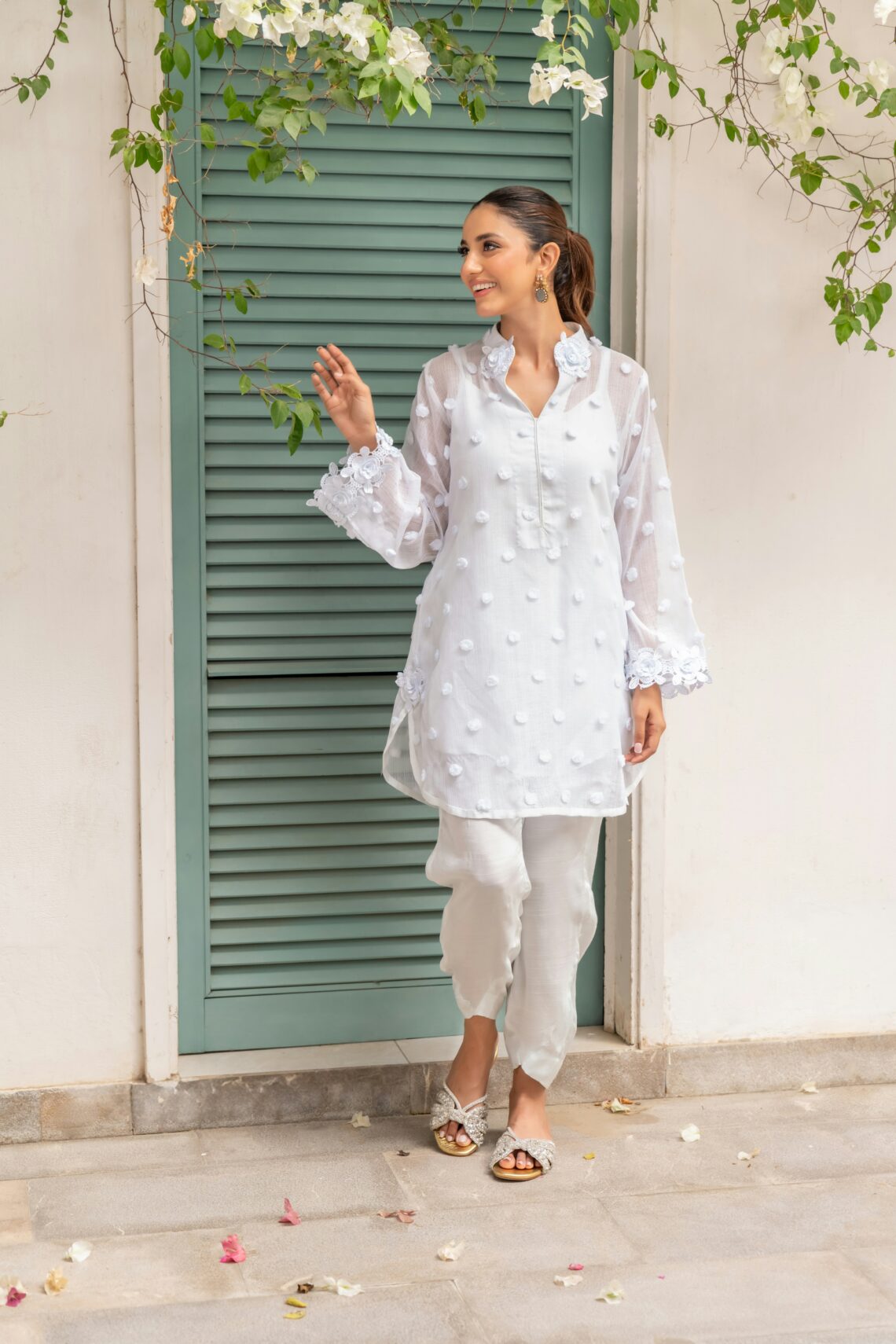
Understated dressing is often mistaken for boring dressing, but the two are not the same at all. Stripping out the noise is a discipline, not a lack of effort. When there are no slogans, no clashing colours, and no obvious branding to carry an outfit, all the weight falls on the things that are far harder to fake: the quality of a fabric, the precision of a cut, the way a colour has plainly been chosen rather than grabbed. A plain set in exactly the right stone or grey can read as more expensive than something busy, because there is nothing to distract from how well it is made.
A quiet staple
This is why loungewear pieces in understated neutral tones have become a quiet staple of the modern wardrobe. They sit at the centre of the off-duty look, soft, unflashy, and easy to live in, and crucially they do not date the way a trend-led piece does. A person building an outfit around them is not really assembling a look so much as setting a mood, and the pieces support that mood without ever competing for attention.
Palette and restraint
The palette is doing genuine work in all of this. Muted, low-saturation shades read as deliberate, and they layer with one another almost endlessly, which is the entire point of the approach. Tonal dressing, the practice of wearing several close shades from the same family together, is the most reliable way to look pulled together with the least possible effort. It works precisely because nothing in the outfit is fighting anything else; the whole thing reads as one calm, coherent gesture.
There is restraint in the styling as much as the colour. One good piece, given room to breathe, will almost always beat three pieces jostling for attention. A robe left open over a simple set. A single change of texture to keep a tonal look from going flat. The confidence in this kind of dressing lives in what a person chooses to leave out, not in what they pile on, and that confidence is exactly what the eye picks up on.
More than aesthetics
The appeal of quiet dressing also runs deeper than aesthetics. There is a calmness to getting dressed when the wardrobe is built on a coherent, restrained palette, because the daily decisions become simple and low-stress. Nothing clashes, everything combines, and the small morning friction of working out what goes with what largely disappears. The clothes stop demanding energy and start giving it back, which is a quiet luxury in itself.
Quality and texture do the talking
Quality becomes more visible, not less, when the noise is removed. In a busy, branded outfit, a cheap fabric can hide behind the spectacle. In a plain one, every detail is exposed, from the drape of the cloth to the finish of the seams. This is why understated dressing rewards spending a little more on a little less: the pieces have to stand entirely on their make, and good make is what the whole look depends on.
Texture is the secret weapon of a quiet wardrobe, the thing that stops restraint from becoming monotony. When colour and pattern are dialled right down, the interplay of surfaces carries the interest, a soft brushed fabric beside a smoother one, a ribbed edge against a flat panel. A person who learns to read texture the way others read colour can build endlessly varied looks from a deliberately narrow palette, which is the quiet sophistication the whole approach is built on.
It gets noticed, and it lasts
There is an irony at the heart of understated dressing that explains its growing pull. Clothes that ask to be noticed often slide past unseen, lost in a sea of other clothes doing the same thing. Clothes that decline to shout tend to get a second look, because they read as sure of themselves, as chosen rather than performed. The wearer is not asking for attention, and that is precisely why they receive it.
There is a sustainability angle to quiet dressing that gives it staying power beyond mere taste. Clothes chosen for their make and their tone rather than their moment do not fall out of fashion when the moment passes, which means they stay in a wardrobe and out of landfill for far longer. The restless cycle of buying into a trend, wearing it briefly, and discarding it once it dates is exactly what an understated wardrobe sidesteps. By investing in fewer, better, quieter pieces, a person ends up consuming less over time, which is both gentler on the planet and, in the long run, kinder to the wallet. Calm dressing turns out to be patient dressing, and patience tends to pay off in a wardrobe just as it does elsewhere.
A small act of confidence
In a culture that spent years equating more with better, the move towards quiet, understated dressing is a small act of confidence. It trusts the wearer’s own taste over the approval of a logo, and it trusts fabric and fit to do the talking. The result is a wardrobe that feels personal rather than performative, calm rather than competitive, and that, more than any trend, is why understated has quietly become the real statement.
Read more fashion articles at ClichéMag.com
Images provided by Deposit Photos, BingAI, Adobe Stock, Unsplash, Pexels, Pixabay Freepik, & Creative Commons. Other images might be provided with permission by their respective copyright holders.