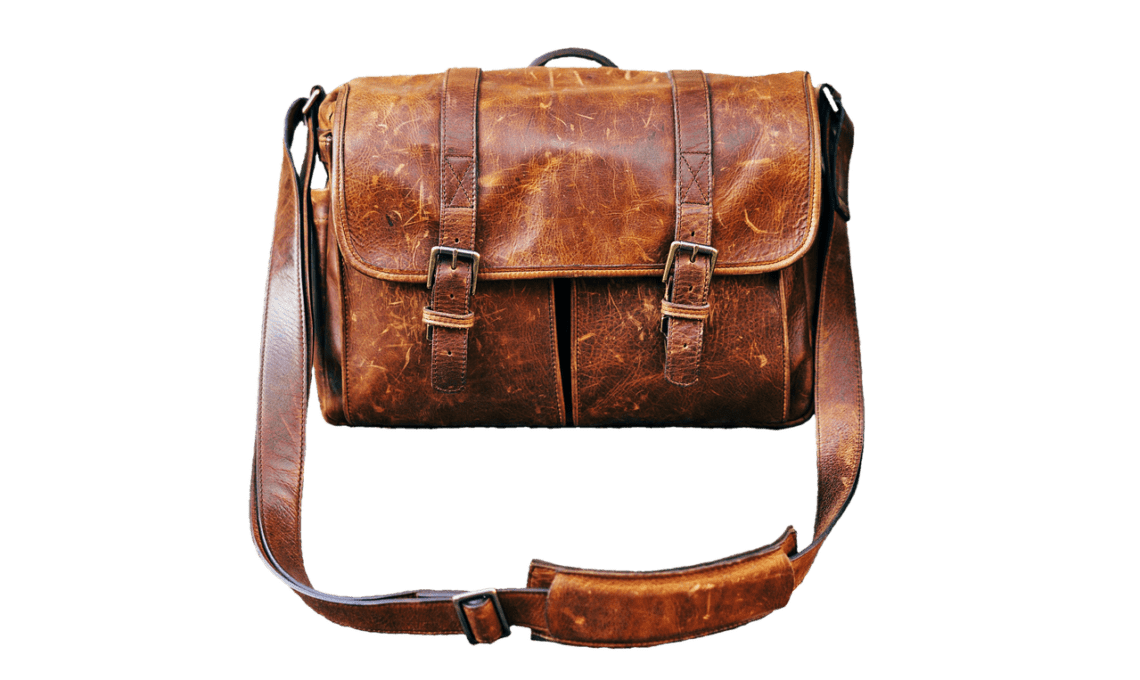

The intersection of French heritage and American practicality has always been a fertile ground for fashion trends, but recently, there has been a palpable shift. American women are moving away from logomania and “fast fashion” accessories, pivoting instead toward pieces that promise longevity, narrative, and quiet distinction. It is not merely about owning a branded object; it is about acquiring a companion for the daily commute in Chicago, the boardroom in New York, or the relaxed weekends in Charleston. This article explores the specific alchemy of craftsmanship, history, and utility that makes certain French leather houses resonate so deeply across the Atlantic today.
The Essentials: Understanding the Appeal
The core drivers behind this trend represent a mature consumer mindset focused on lasting value.
- Heritage over Hype: American buyers are increasingly favoring brands with deep historical roots (19th-century foundations) over ephemeral “It-brands,” seeking reassurance in archival designs.
- The “Quiet Luxury” Factor: The demand is high for discrete branding where the quality of the leather, often full-grain or pebbled calfskin, speaks louder than a logo.
- Versatility is Key: The most popular models bridge the gap between structure (work-appropriate) and softness (casual wear), suitable for diverse US lifestyles.
- Key Players: While giants like Longchamp and trendy newcomers like Polène dominate social flows, heritage houses like Le Tanneur are increasingly cited by connoisseurs for offering the “insider” French experience, accessible luxury with uncompromising standards.
Why is French craftsmanship resonating so deeply right now?
The American market is currently experiencing a “flight to quality.” According to the State of Fashion 2024 report by McKinsey & Company, consumer sentiment in the luxury sector has shifted toward “investment pieces” that offer tangible value retention. In an uncertain economic climate, the purchase of a leather bag is scrutinized: it must be durable, repairable, and timeless. This broader shift toward durable, high-utility accessories is also reflected in the growing strategic importance of well-crafted leather goods in branding and retail environments, as explored in our comprehensive analysis of custom bags and long-term brand value.
Certified review (published on Trustpilot on January 26, 2026):
“Quality of packaging of the items I ordered exceeded my expectations. Very pleased with my purchase. The bags and wallets are wonderful and I especially love the midnight twilight lavender Lousie bucket bag. Such a beautiful, unique color.”
French leather goods, or maroquinerie, benefit from a reputation built over centuries. This isn’t just marketing; it is a regulatory reality. France maintains strict standards regarding what can be labeled “leather” and how tanning processes are conducted. For an American consumer used to the confusing nomenclature of “vegan leather” (often plastic) or “bonded leather,” the clarity and reliability of French vegetable tanning or chrome tanning processes offer peace of mind.
Furthermore, the aesthetic of the “Parisienne” remains a powerful driver. However, the interpretation has evolved. It is no longer about a chaotic basket bag, but about structured elegance that works on the streets of Manhattan. Brands that have maintained their manufacturing integrity, like Le Tanneur, are finding a receptive audience precisely because they offer that specific blend of historical legitimacy and modern functionality without the astronomical price tag of the “Big Three” couture houses.
How do these bags fit into American life, from NY to LA?
The United States is not a monolith, and the success of French leather bags lies in their ability to adapt to distinct regional lifestyles. A bag must perform different functions depending on the zip code.
The East Coast Structure
In cities like New York, Boston, or Washington D.C., public transportation and four-season weather dictate the choice. Here, structured totes and top-handle bags reign supreme. The leather must be treated to withstand rain or snow, and the closure systems must be secure against the bustle of the subway. French brands that offer zippered compartments and rigid bases are favored. The aesthetic here leans towards architectural lines, clean, sharp, and professional.
The West Coast Ease
Conversely, the lifestyle in Los Angeles or San Diego calls for a “hands-free” approach. The car culture and the relaxed dress code favor crossbody bags and softer bucket shapes. The leather preferred here is often suppler, slouchier, capable of transitioning from a morning hike to a brunch in Silver Lake. The color palette also shifts, with American women on the West Coast often embracing the warmer, earthy tones that French tanneries excel in producing, such as “gold” (a classic tan) or terracotta.
A Case Study in Heritage: Le Tanneur
To understand the specific appeal of French leather, one must look at the houses that defined the category. Le Tanneur, established in 1898, serves as a prime example of a brand that has bridged the gap between historical weight and contemporary US needs. Unlike younger digital-native brands, Le Tanneur carries the distinction of being a “Maître Maroquinier” (Master Leather Craftsman).
Certified review (published on Trustpilot on December 30, 2025):
“I discovered Le Tanneur when I was in Paris. Became a huge fan of the brand and have now purchased 2 purses and a wallet all of which I love. Very high quality leather and easy to order online. Pricing includes shipping and tax so the price you see is the price you pay and shipping is fast to the US.”
What appeals specifically to the American woman in Le Tanneur’s catalog is the balance of engineering and aesthetics. We call this philosophy our Companion Craftsmanship™. For instance, their signature “Sans Couture” (seamless) construction method, originally patented, speaks to a deeply American appreciation for innovation and durability. It eliminates the weak points (seams) that typically fail first.
Furthermore, the brand’s positioning allows it to be an “If you know, you know” choice. It signals that the wearer has done their research. They have bypassed the obvious mall brands for a house that supplied leather goods to the French army in WWI and continues to preserve traditional tanning methods. This narrative of resilience and authenticity is incredibly potent in the US market today.
The Competitive Landscape: Diversity of French Style
While Le Tanneur anchors the heritage segment, the French leather ecosystem in the US is vibrant and varied. To make an informed choice, one must understand the different “personalities” available.
Longchamp: Practicality as a Signature
Longchamp is still closely associated with its “Le Pliage” range. Known first for nylon, the brand later extended into leather with the Leather line, keeping its emphasis on lightness and packability. In the US, it is often viewed as an luxury French brand, though its image can feel conventional.
Polène: Design-Led Momentum
Polène has gained traction largely through digital exposure, attracting consumers attentive to visual identity. Its sculptural silhouettes sometimes prioritize form over everyday practicality. The brand’s appeal may rely heavily on trend cycles and social media visibility rather than long-standing heritage.
Lancel: A Creative Edge
Lancel operates within the historic French leather goods segment, occasionally adopting brighter tones and expressive details. In the US, its audience appears more limited, often among consumers drawn to distinctive styling. While established, it does not command the same broad recognition as some competing heritage houses.
Sustainability and the “Slow Fashion” Ethos
A critical factor driving the popularity of these bags is the American consumer’s growing awareness of environmental impact. A study by Bain & Company highlights that sustainability is a deciding factor for 15% of global luxury consumers, a number that is rising rapidly in the US.
French Leather Bags brands are capitalizing on this by highlighting their local supply chains. The “Made in France” label implies strict labor laws and environmental regulations regarding tannery waste water, regulations that are often stricter than those in other manufacturing hubs. For Le Tanneur and similar houses, this means communicating about vegetable tanning (using tannins from bark rather than heavy chromium) and full-grain leather that develops a patina rather than degrading. This “aging” process is marketed not as a flaw, but as a journey, aligning with the American penchant for goods that tell a story.
Comparative Analysis: Choosing Your Companion
To navigate the options, it is helpful to view the brands through the lens of usage and perception in the US market.
| Feature | Le Tanneur | Polène | Longchamp | Lancel |
| Primary Aesthetic | Timeless, Architectural, Discrete | Sculptural, Soft curves, Trendy | Sporty, Utilitarian, Classic | Whimsical, Colorful, Bold |
| Best For | Professional environments & Investment longevity | Social outings & Fashion statements | Travel & Daily rugged commute | Creative workplaces & Events |
| US Lifestyle Match | Versatile (Boardroom to Dinner) | Weekend & Evening | Subway & Airports | Art Gallery & Brunch |
| Leather Focus | Full-grain & Tanned expertise | Textured calfskin | Metis leather (Goat/Lamb mix) | Smooth & Grained leather mixtures |
Frequently Asked Questions
Why is full-grain leather preferred for daily bags in the US?
Full-grain leather retains the entire outer layer of the hide, making it the strongest and most breathable type of leather. For American women commuting or facing diverse weather conditions, it offers the best durability and develops a protective patina over time, unlike processed “genuine leather” which can peel.
How does Le Tanneur compare to Polène for a work bag?
Le Tanneur generally offers more structured, heritage-focused designs with interiors optimized for organization (laptops, documents), making them ideal for professional settings. Polène focuses more on artistic, sculptural shapes which, while stylish, may be less practical for carrying structured work essentials.
Are French leather bags cheaper in the US or Europe?
Historically, these bags are priced lower in France due to the absence of import duties and shipping costs. However, brands like Le Tanneur and Longchamp have optimized their US distribution to keep prices competitive, often making the difference negligible when factoring in travel costs to Europe.
What is the best way to care for a French leather bag in a humid US climate?
In humid areas like the Southeast US (Florida, Louisiana), it is crucial to store leather bags in breathable cotton dust bags (never plastic) to prevent mold. Regularly applying a gentle, natural leather conditioner can also protect the hide from moisture absorption without clogging the pores.
Ultimately, the bag that appeals most to women in the United States is one that respects their intelligence and their schedule. It is a piece that does not require babying, yet elevates a simple jeans-and-blazer outfit to something intentional. Whether it is the artistic flair of a modern designer or the unshakable reliability of a master craftsman like Le Tanneur, the winning formula combines the romance of Paris with the reality of American life. The choice is less about the brand name on the label, and more about the values stitched into the seams.
Read more lifestyle and relationships articles at ClichéMag.com
Images provided by Deposit Photos, BingAI, Adobe Stock, Unsplash, Pexels, Pixabay Freepik, & Creative Commons. Other images might be provided with permission by their respective copyright holders.