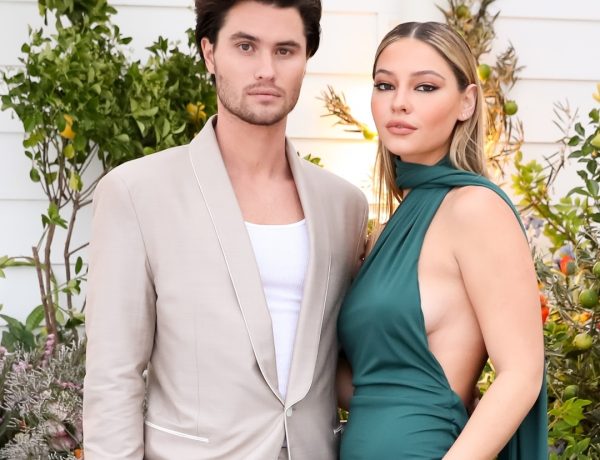
A quick primer: this piece unpacks the modern magnetism around NFL–pop star pairings—from the headline-dominating Taylor Swift–Travis Kelce relationship to fresh Justin Herbert–Madison Beer rumors—showing how social platforms, broadcast coverage, and brand incentives amplify every wink, lyric, and sideline glance. It also traces earlier athlete–singer couples, explains the fandom crossovers and marketing upside, and weighs that newfound attention against privacy concerns.
Historical examples of athlete–pop star pairings
A late-2000s flashpoint: Dallas QB Tony Romo’s relationship with pop star Jessica Simpson became a weekly talking point, stirring debates about performance, celebrity, and focus. Romo signed a six-year, $67.5 million extension in October 2007, then began dating Simpson that November; by 2008–2009 the romance and the team’s fortunes were in constant conversation on sports TV and gossip pages alike.
The Romo moment’s media lesson
Romo–Simpson taught networks and blogs that an NFL love story could become a standing programming block. Coverage cadence accelerated as viewers clicked; the narrative persisted for over a year, setting a template today’s pairings still follow. Retrospectives continue to document that arc and its effects on fan sentiment and news cycles.
Russell Wilson & Ciara as a durable model
Wilson and Ciara met in 2015, married in 2016, and built a pop-culture household name with music, fashion, and philanthropy touchpoints—proof that a football–pop duo can grow beyond novelty into multiyear brand equity with family milestones fans follow. Timelines from major outlets chronicle the relationship’s steady arc and cultural resonance.
Eric Decker & Jessie James Decker: country-pop meets the NFL
Long before TikTok superfandoms, Eric and Jessie James Decker blended football, country-pop, and reality TV to cultivate a lifestyle brand that outlived his retirement. Their trajectory shows how music careers and NFL visibility can compound into merchandising, touring, and family-centric content ecosystems.
The Swift–Kelce phenomenon as a ratings and revenue case study
Swift’s Arrowhead appearance coincided with a near-400% spike in Travis Kelce jersey sales per Fanatics data reported by national outlets; Chiefs games featuring her drew outsized female demos and top-telecast status. NFL leadership and independent analyses credited a tangible lift in viewership and engagement—beyond memes, into measurable audience shifts.
Social media’s role in fueling excitement and speculation
The “For You” loop thrives on recognizable faces in unfamiliar contexts—an Eras Tour cameo, a luxury suite hug, a sideline reaction. Kelce’s “New Heights” episode with Swift drew massive attention and added 500,000+ subscribers; follow counts and clip views reinforce the couple’s cultural primacy, keeping topics trending across platforms day after day.
Metrics behind the “Swift effect”
Reports catalog a 63% surge among female 18–49 Roku viewers for a Swift-adjacent game, a 1.1M+ Instagram-follower jump for Kelce in early days of the romance, and continued subscriber/follower gains tied to shared media moments. Audience spikes are not random; they track predictable fan-economy mechanics where music fandom curiosity becomes NFL sampling—then habit.
Fresh whispers: Justin Herbert & Madison Beer
Recent reporting links Chargers QB Justin Herbert and pop star Madison Beer after sightings in California and on a set—firmly in rumor territory for now. Coverage also notes Beer’s prior, on-record relationship with creator Nick Austin, underscoring how fast today’s speculation cycles attach to NFL names once music-fan interest is primed.
Broader implications: branding, fandom crossover, and mainstream attention
Chiefs owner Clark Hunt openly credited Swift for a meaningful shift in the team’s female fan ratio and the broader “whirlwind” that reshaped attention patterns. Crossover attention means new categories of sponsors, merch momentum, and family-friendly narratives that pull the league into magazines, playlists, and timelines far beyond Sunday broadcasts. Just like an auction draft values tool helps fans assess player worth in a dynamic market, celebrity hype often inflates attention—and fan interest—well beyond the ESPN headlines.
Personal privacy vs. public curiosity in the modern age
When interest crests, scrutiny follows. Reports suggest Kelce felt added pressure and distractions amid the relationship’s surge in visibility—an honest reminder that behind the metrics are people juggling careers and expectations while millions weigh in from couches and comment sections. Curiosity scales quickly; boundaries must, too.
How narratives start: bracelets, broadcasts, and body language takes
Pop-journalism thrives on origin myths—the friendship bracelet anecdote, the concert meet-cute, the first suite shot—then pivots to authenticity debates where “showmance” claims meet expert reads of chemistry. That arc, repeated across outlets and formats, keeps attention looping while the relationship itself evolves offline.
Why fans are drawn to these pairings
Pop stars supply soundtracks; quarterbacks supply weekly stakes. Together they offer a single, serialized story that fits neatly into feeds and broadcasts—music charts on Friday, game scripts on Sunday. When the league’s commissioner notes that this attention is good for viewership, it validates what fans already feel: that celebrity love stories are part of the modern NFL experience.
What endures after the headlines fade
Some couples convert a viral moment into multi-year value—podcast audiences that stick, merch that keeps selling, new demographics that become permanent. Others remain a cultural postcard from a specific season. Either way, the playbook is set: credible timelines, visible affection, and measurable gains across ratings, sales, and followers—without eclipsing the sport itself.
Read more celebrities and sports articles at ClichéMag.com
Images provided by Deposit Photos, BingAI, Adobe Stock, Unsplash, Pexels, Pixabay Freepik, & Creative Commons. Other images might be provided with permission by their respective copyright holders.