
Ever wonder why dentists insist on six‑month visits even when nothing hurts? It’s not about cavities—it’s about preventing what’s coming next.
In a world full of quick fixes and subscription-based everything, it’s easy to forget that your teeth don’t operate on short-term cycles. They’re part of a long-term system that affects how you eat, sleep, speak, and age. Even tech-driven wellness culture, obsessed with metrics, often overlooks the most obvious signals: your gums bleeding when you floss or that weird jaw tension you ignore until it’s 2 a.m.
In this blog, we will share how small, routine checkups contribute to the big-picture wins of dental health, and why consistency matters more than panic-mode treatments.
Your Mouth Isn’t Just About Teeth
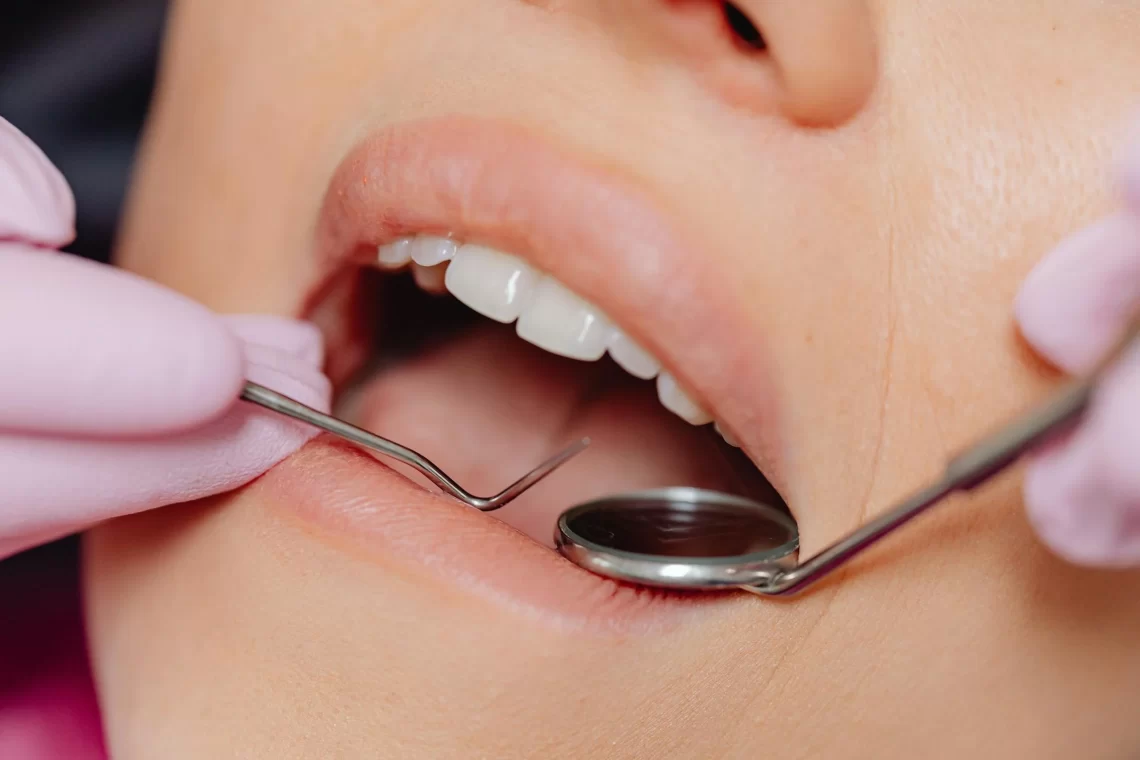
Your dentist isn’t just looking for cavities. They’re watching for early signs of bigger problems—things like gum disease, worn enamel, even signals of diabetes or sleep apnea. Most of it shows up quietly, before you notice anything. That’s the real point of a checkup.
It’s not about fixing what’s already broken. It’s about spotting trouble early, when it’s still small. That tiny crack in your molar? Could become a crown if ignored. Receding gums? Might point to something bigger than brushing too hard. Like any routine maintenance, it’s cheaper and easier when done regularly.
And while we’re here, let’s talk about teeth whitening—a topic that gets dismissed as purely cosmetic but actually reflects a lot about how people take care of their mouths.
Cosmetic Trends and Long-Term Thinking
In a culture driven by appearance—hello, Zoom calls and Instagram selfies—whiter teeth have become a visible badge of self-care. But not all treatments are created equal. People often jump into whitening without understanding the wear-and-tear implications. That’s where conversations about dental whitening pros and cons become relevant.
It’s not just about brightness. Over-whitening can lead to enamel sensitivity, gum irritation, and a weird chalky look that makes teeth seem less healthy. On the flip side, professionally monitored whitening can actually be part of a broader oral hygiene reset. When patients care about how their teeth look, they’re more likely to brush, floss, and skip the soda. So in the hands of the right dentist, it can be a strategic motivator.
Think of it this way: a short-term goal (like a whiter smile) can drive long-term behavior if it’s approached with the right mindset. Just don’t DIY it with mystery gels from the internet and expect to win.
The Cost of Skipping Maintenance
Skipping a dental checkup might save you a few bucks in the short term. But what it often buys you is the expensive route later for dental care. Root canals, extractions, dental implants—these things don’t just cost more money. They require more time, healing, and emotional bandwidth.
Worse yet, they often come when you least expect them. You’re on a work trip. You’re preparing for a wedding. You’re just getting over the flu. And then, bam—searing molar pain.
Regular checkups reduce those surprise moments by turning them into small updates instead of emergencies. That little cavity you didn’t feel? It gets treated with a filling today instead of a crown next year.
Preventive care works like that. It shifts the timeline. The sooner you intervene, the simpler the solution.
Dental Anxiety Is Real—So Plan for It
Let’s talk fear. Not everyone feels cool sitting in that reclined chair under a bright light while sharp tools poke around their mouth. Dental anxiety is real. And one of the most common reasons people delay checkups.
But like any fear, the best response isn’t to avoid it. It’s to plan for it.
Find a dentist who talks you through the process. Let them know if you need breaks. Bring headphones. Distractions work. The more often you go, the less mysterious the experience becomes. That predictability alone can lower your anxiety.
And here’s the irony: regular checkups tend to be the least painful part of dental care. It’s when you wait too long that the visits become intense, invasive, or expensive. In other words, avoiding the dentist because you’re afraid of pain increases the odds that you’ll actually experience it.
Your Lifestyle Is in Your Mouth
The pandemic made people look more closely at their health. Home workouts. Meditation apps. Air fryers. But one thing still doesn’t make the Instagram cut—your gums. But they tell a story.
A dentist can look at your gums and know if you’re dehydrated. If you’re clenching your jaw at night. If you’ve been eating more sugar than usual. If you’ve developed acid reflux or a dry mouth issue from medications.
Your teeth and mouth are physical evidence of how you live.
That’s why checkups matter. Not because your teeth are separate from your health, but because they’re the opening chapter. They reveal what you might not have noticed yet. And when dentists see changes, they can help you adjust habits early before those signals turn into diagnoses.
Building Habits That Stick
If checkups seem hard to keep, attach them to something else. Schedule around your birthday or six months after New Year’s. Pair them with your annual vision exam or flu shot. The less mental energy it takes to remember, the more likely it is you’ll follow through. You can even ask your dentist’s office to call or text you reminders. Most are happy to help.
Also, share the habit. If you have kids, bring them along for your appointment so they see it’s normal, not scary. If your partner avoids the dentist, turn it into a post-appointment reward ritual. Grab lunch. Go for a walk. Reinforce that the effort has value.
Habits don’t have to be perfect. They just need to be consistent.
Checkups Are the Opposite of Panic
A checkup isn’t reactive. It’s proactive. It’s a way of saying, “I’m choosing maintenance over crisis.”
In a culture that thrives on urgency, that’s rare. So next time you wonder if a six-month visit is really worth it, ask yourself this: Would you rather catch the problem when it costs 30 minutes and $150, or when it costs surgery and a week off work?
Dental checkups are never just about teeth. They’re about planning, awareness, and owning your future health in small, repeatable steps. The smile is just a bonus.
Let that appointment be your way of voting for stability. Quiet, boring, predictable care. It’s not exciting—but it’s exactly what keeps everything else running smoothly.
Read more beauty and dental care articles at ClichéMag.com
Images provided by Deposit Photos, BingAI, Adobe Stock, Unsplash, Pexels, Pixabay Freepik, & Creative Commons. Other images might be provided with permission by their respective copyright holders.