
Last Updated on November 26, 2026 by Cliche
More people are reading from devices during commutes, while waiting for appointments, or when they have a few minutes at home. A smartphone, tablet, or e-reader keeps a book close at hand and makes it easier to search or adjust text. A search for Z library or another digital collection often begins with convenience, but the right choice also depends on comfort, cost, and whether the source is authorized.
Portable libraries make it easier to read anywhere
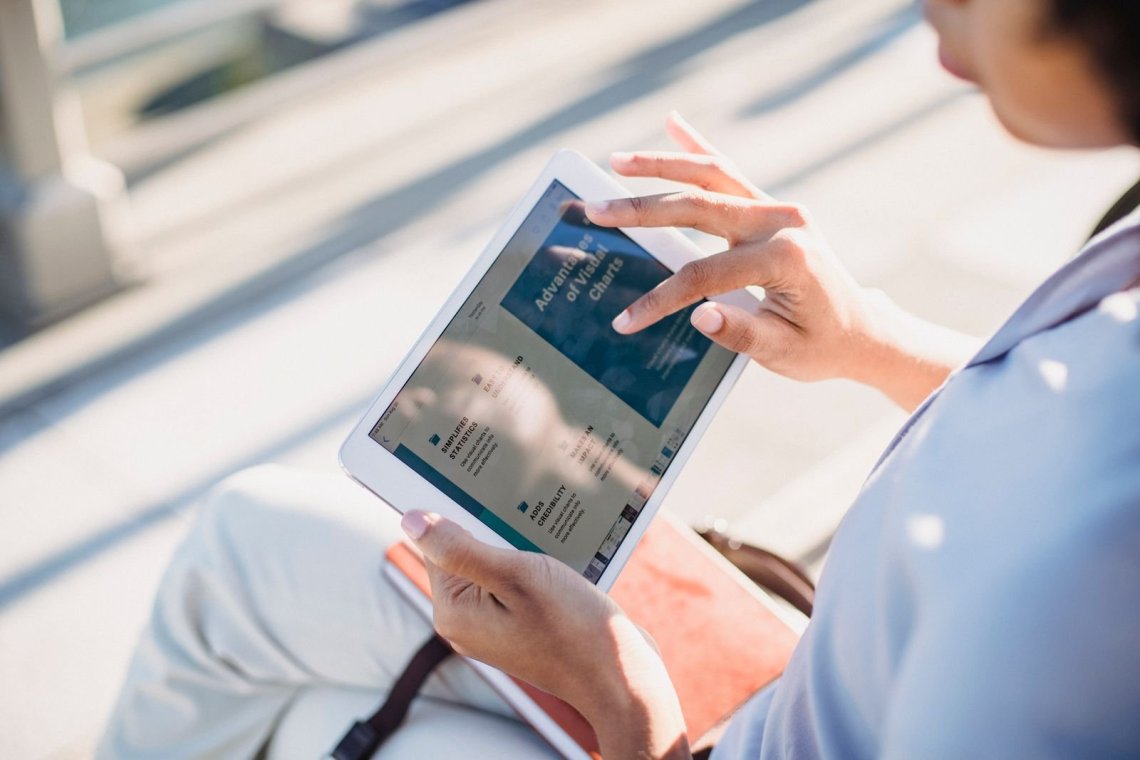
A phone is already in many people’s pockets. Reading a few pages on a commute or during a wait takes no extra bag space, and the same device can keep a book ready for an unexpected break. Dedicated e-readers and tablets offer alternatives: an e-reader is built for books, while a tablet gives more room for illustrated pages and other media. One device can hold many titles, which is useful on a trip or when a reader wants several books on hand.
Offline reading adds to that convenience. Download a title before leaving home and it can usually be read without a connection, though the app’s rules and the title’s availability still apply. That distinction matters: a digital book may be purchased, borrowed, or accessed through a subscription. A purchase often grants a license tied to a retailer account and its terms, rather than an unrestricted copy that can be kept or transferred forever.
Search, adjustable text, and audio support different reading needs
Digital books make navigation quick. A reader can search for a name or phrase, return to a bookmark, or keep notes alongside the text. Font size and spacing can often be adjusted, which helps readers who prefer larger type or want to fit more words on a page. Feature availability depends on the device, app, and file format.
Accessibility features vary too. A file may support text-to-speech or a screen reader, while another may offer limited assistance because of its format or publisher settings. Audiobooks provide a separate way to experience a book; listening is useful when hands or eyes are occupied, but it is not the same activity as reading the text. Check whether the title works with your chosen device or app, and try the features you rely on before committing to a format.
How a free library or e-library can widen access
A public library app is often the clearest starting point for free digital books. Lending depends on local eligibility, the library’s catalog, and loan limits; popular titles may have a wait, and borrowed books typically expire when the loan ends. Public-domain works and books released under an open license can also be free, but copyright status varies by country and title.
Websites encountered while searching for free books include Z-library. Its presence online does not establish that any particular title is authorized for distribution, so readers should check copyright permission and local law before downloading.
The same caution applies to Zlibrary: a site’s availability does not confirm that its catalog is legally authorized. “Free” describes the price, not necessarily the rights attached to a file.
Choose a device and source that fit your reading habits
For long sessions, an e-reader may suit readers who want a dedicated screen and find its display more comfortable. It is not automatically better for everyone. A phone is handy for short stretches, and a tablet’s larger, color screen can work well for comics or reference books. Comfort varies with the reader, lighting, and device. Adjust brightness and font size, use suitable room lighting, and take breaks if your eyes feel tired.
Before paying, compare public library lending, authorized e-book purchases, subscriptions, and openly licensed titles. A subscription can offer broad access while it remains active, but it does not usually mean permanent ownership of every included book. Digital purchases may also have restrictions on copying or transferring files, depending on the retailer’s terms and the file. Check those terms if you expect to move a book between devices.
Start with a library app or a clearly authorized sample on the device you already own. Borrow a title and test its font size and brightness during a typical reading session.
Read more trending topics at ClichéMag.com
Images provided by Magnetic, Deposit Photos, BingAI, Adobe Stock, Unsplash, Pexels, Pixabay Freepik, & Creative Commons. Other images might be provided with permission by their respective copyright holders including AI generators.