

Last Updated on November 16, 2026 by Lisa Smith
Want to bookmark your favourite articles and stories to read or reference later? Start your Independent Membership today.
Already a member?
Log in
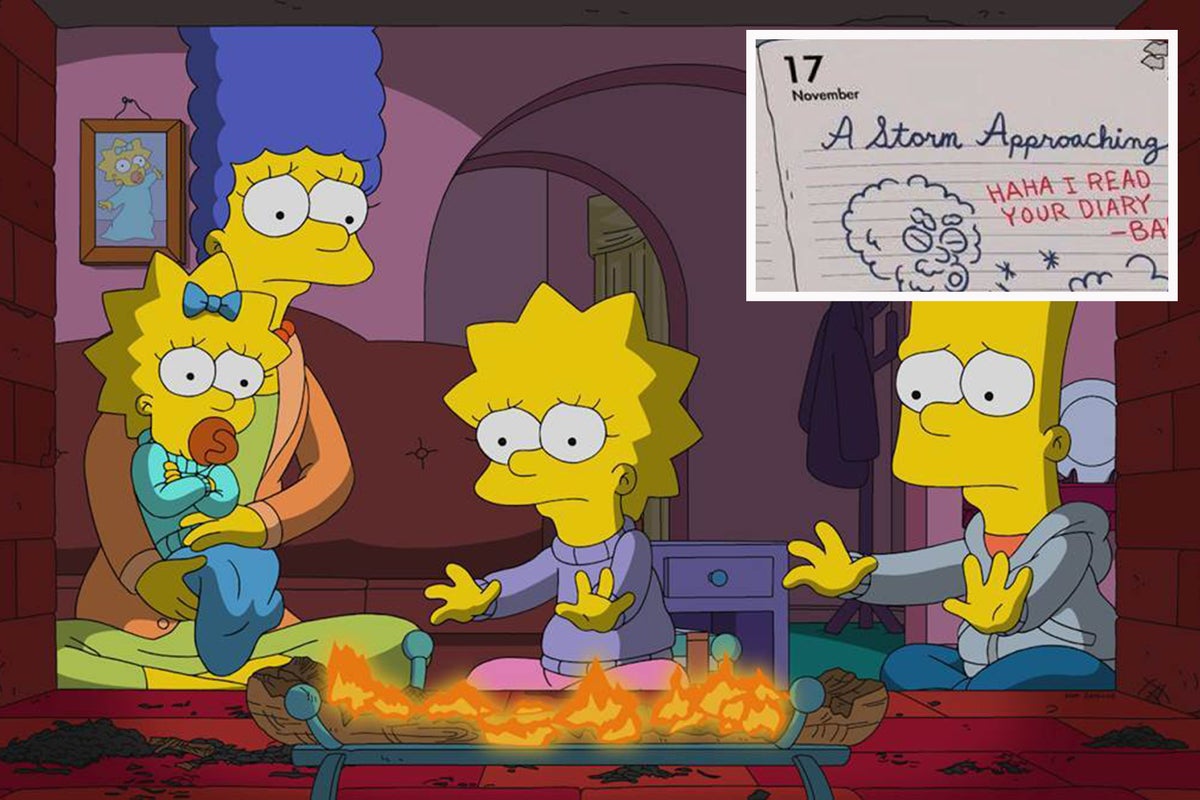
The Simpsons, bizarrely, has predicted many things: Donald Trump’s presidency, the horse meat scandal, and the tech bro space race, all featured in the seminal cartoon long before they took place in real life. But the latest strange prediction to emerge from the town of Springfield is a global blackout on 17 November, which many are already preparing for.
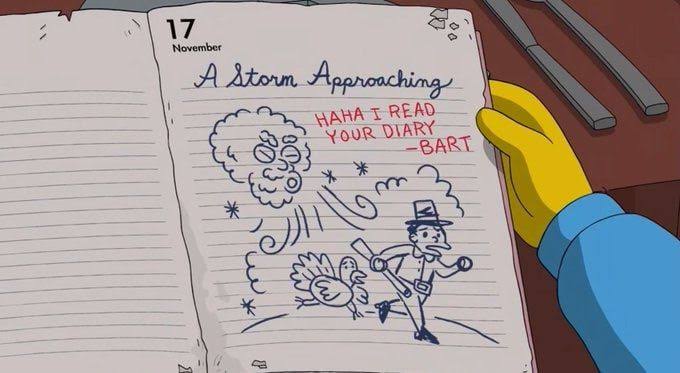
In the 2023 episode “It’s a Blunderful Life”, the cartoon family is catapulted 60 years into the future, where an older Lisa Simpson writes in her diary about a blackout caused by an epic storm that started on 17 November. The Simpsons’ eldest daughter explains that they now light a candle each Thanksgiving holiday “in remembrance of the great blackout that almost destroyed our town, when we actually had to write things by hand”.
In the wake of last week’s Microsoft outage, many rediscovering the clip are deeming it a prophecy of what’s to come. Plus, there’s also scheduled to be a nationwide test of the Emergency Alert System in the US on that exact date, meaning a national public warning will air across thousands of radio, TV, cable, satellite and wireline providers.
While this is nothing more than a scheduled test, similar to the one the UK underwent in 2025, governments across the globe are increasingly encouraging citizens to prepare for national outage “Black Sky” events, caused by severe weather or cyber attacks.
What would really happen in a Black Sky event?
In a major emergency, a Black Sky event could take out electricity, water, shops and communications, which is why people are being advised to have non-digital alternatives to radios, alongside candles and power banks to keep devices going in the event of a prolonged power outage, and have enough food and water for up to three to four days.
Organisations are already preparing, with the BBC reporting the broadcaster has its own plan to be able to communicate pre-recorded government messages to the nation, where around 100 staff members will run a special emergency radio studio. “It will have secure lines of communication not dependent on the internet, and fuel, water and food to ensure it can operate,” the report read earlier this month.
The emergency service will broadcast scripts that the government have already published online include instructions on how much water people should drink, how to regulate temperature, and how to dispose of toilet waste: “You should collect your poo in plastic bags, which should be sealed and disposed of with normal household waste, ideally in an outside bin,” it says.
Messaging, read by Professor Sir Chris Whitty, chief medical officer for England, would also explain how to filter water to make it safe using a coffee filter, a pillowcase, or a bed sheet. Water, he will also explain, can then be disinfected by boiling it, using a water purification tablet or even adding a small amount of bleach.
“Remember that this advice has been developed by doctors and scientists to help keep you safe and healthy, as long as you follow these instructions carefully,” the advice assures.
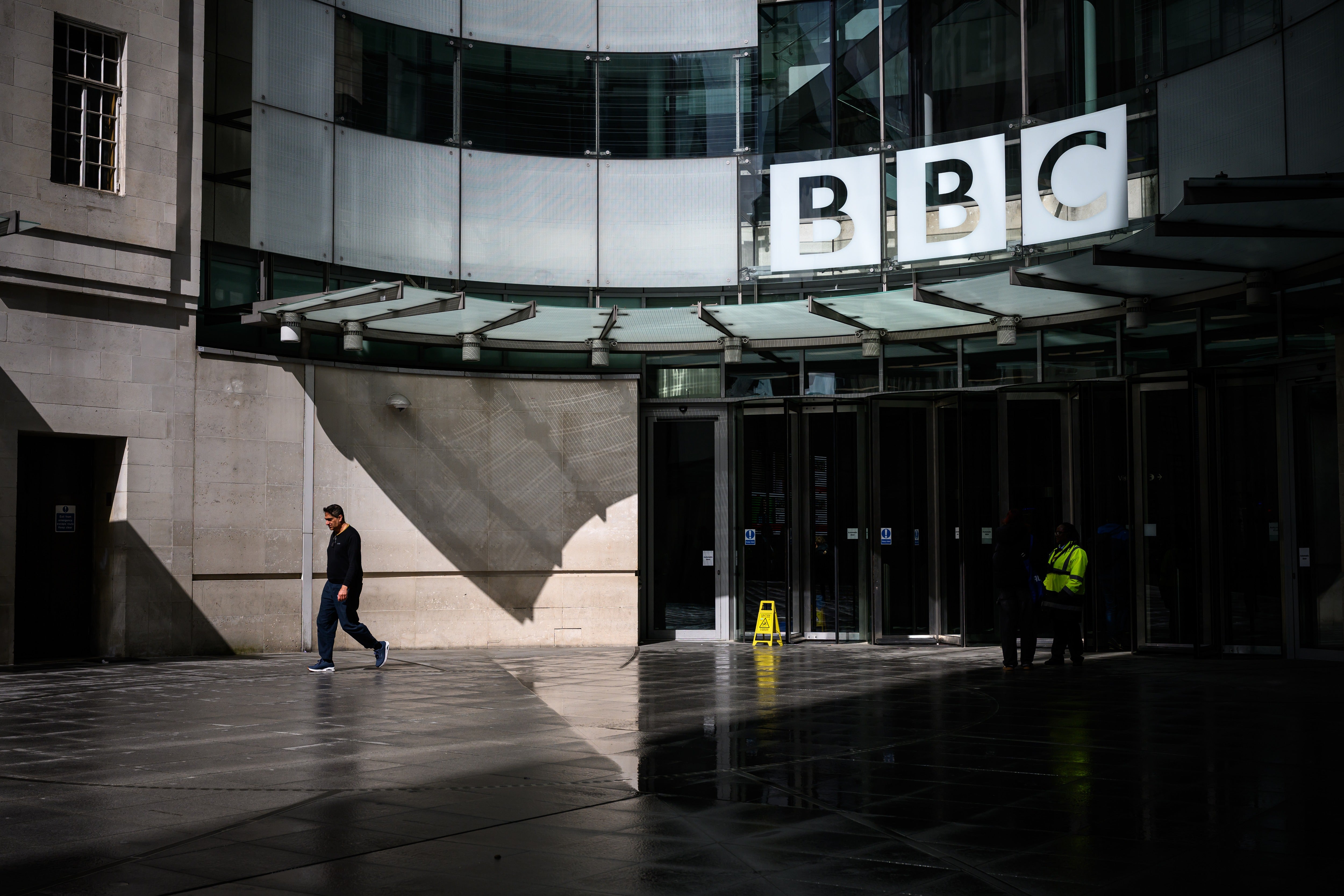
There will also be broadcasts from additional BBC emergency centres around the UK, which will continue as long as diesel to run generators lasts, with the broadcaster prepared for outages of up to three days.
At home, civilians can call the National Power Cut Line (105) to ring for help or to report an issue. Local authorities have their own plans in place: In the capital, boroughs coordinate through the London Resilience Group, which operates the London Power Supply Disruption Framework alongside UK Power Networks.
Wandsworth’s Emergency Planning Unit, for example, has promised to have officers on call 24 hours a day, seven days a week, with Local Authority Liaison Officers also available to coordinate at an incident. Large-scale evacuation has also been planned for, if necessary. Each area’s contingency plan can be found on every local council’s Emergency Planning or Resilience section of its website.
Libraries and leisure centres are among public buildings which have been planned to be repurposed as rest centres in the event of a Black Sky event, with vulnerable residents encouraged to submit their details to the UK Power Networks’ Priority Services Register.
In terms of sirens, the UK’s physical air raid network was disbanded in the 1990s. However, reports suggest that around 1,200 remain in use and could be used if there were an imminent danger to surrounding residents. Earlier this month, sirens reportedly blared at a US airbase in Suffolk as it responded to unauthorised drone activity.
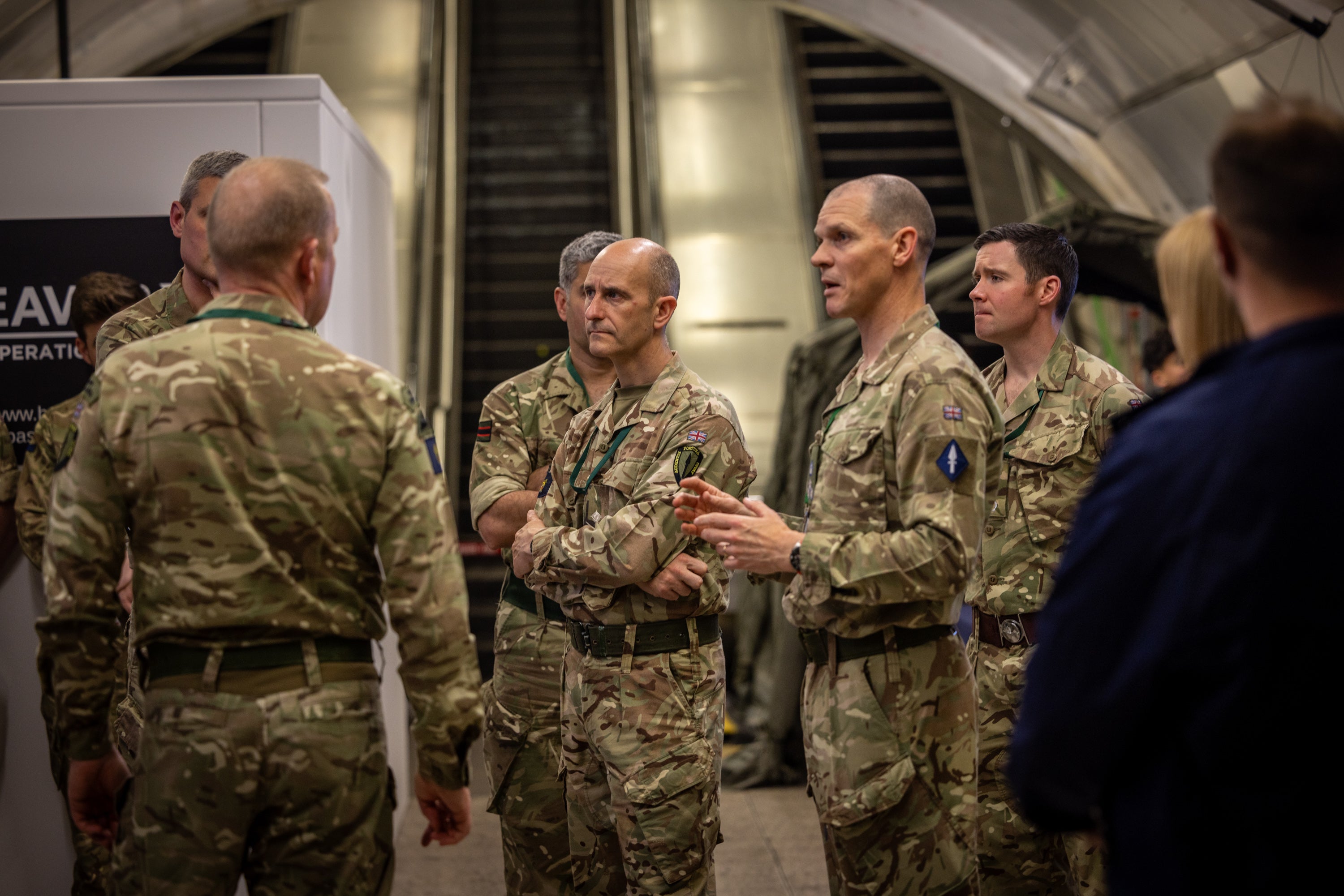
In planning documents, the Ministry of Defence has said that should an emergency become too big for the police, fire and ambulance services to handle alone, Military Aid to the Civil Authorities (MACA) could see the army used to help distribute food and water and other essential supplies.
In the event that traffic lights, ATMs, mobile networks, shops, fuel, water, or access to other essential services are disrupted, the defence minister may authorise military deployment, however, this doesn’t necessarily mean that soldiers will patrol every street. Instead, there’ll be designated distribution stations.
The security service has the saying that Britain is only ever “four meals away from anarchy” for a reason. Here, the prospect of disruption to the nation’s food supply could lead to looting and other civil disturbance, which police would need additional support to control.
When would things go back to normal?
The National Energy System Operator’s “Black Start Strategy” aims to restore 60 per cent of the country’s power within 24 hours in the event of a nationwide blackout – and 100 per cent within five days. Things could become more complex should there be multiple emergencies at once, however.
That being said, a Black Sky event is still a hypothetical scenario, even with extreme weather and “grey zone” hostility from Russia, China and Iran in the form of possible cyber attacks, proxy violence, or sabotage of critical infrastructure – no matter what The Simpsons might say.
The Government’s 2026 National Risk Register points out that Great Britain has never experienced a nationwide loss of power and the likelihood is low, despite outages occurring in other countries, including Spain and Portugal, last year.
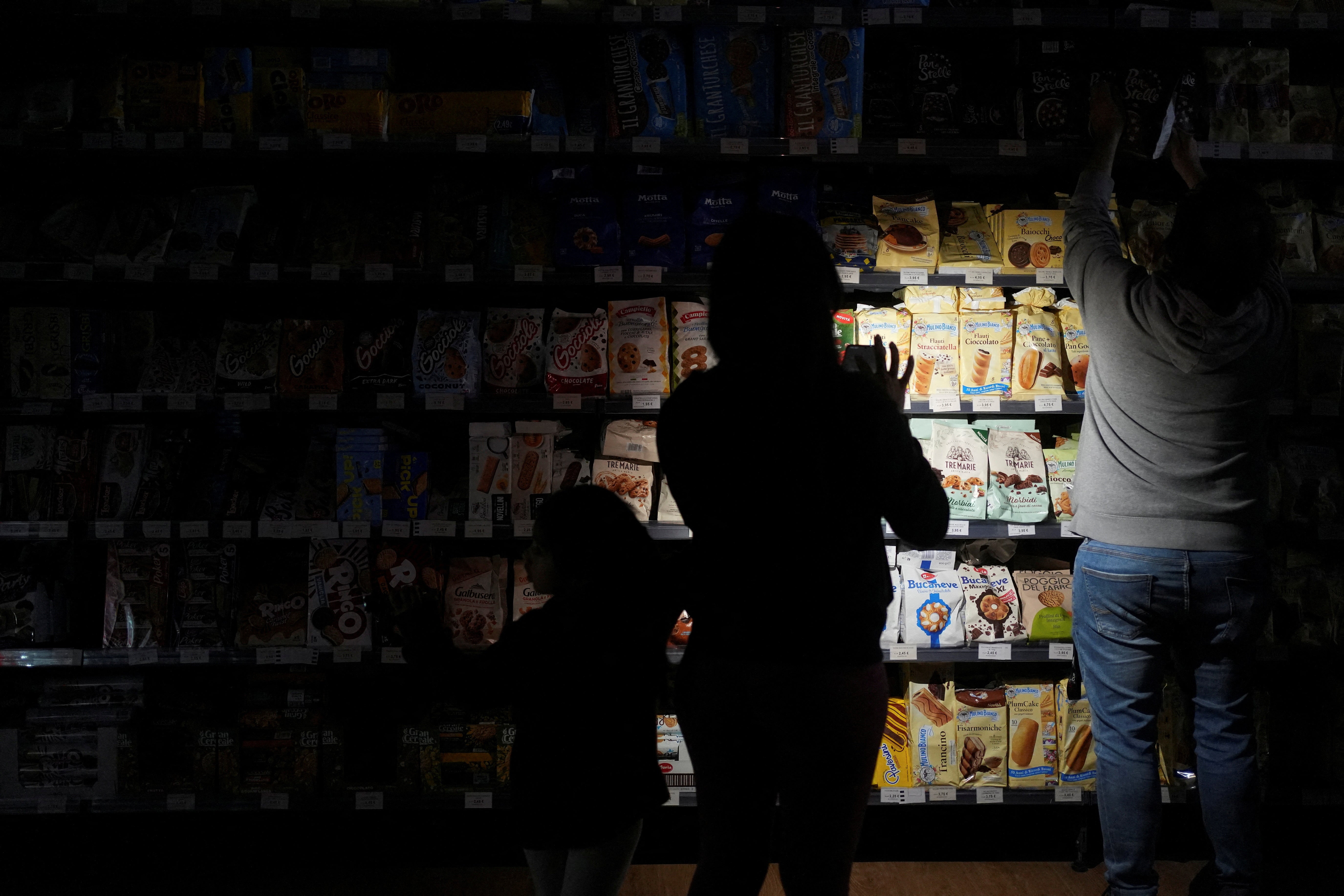
The electricity cut across the Iberian Peninsula for up to 16 hours, with public transport and flights halting, ATMs failing to operate, mobile networks shutting down and evacuations of underground areas, due to a sudden voltage spike that triggered generator disconnections.
Nevertheless, the government’s advice is to “Be Prepared”, with disaster planners claiming it’s inevitable the UK will experience an emergency of this scale in the next few years. Meanwhile, tech outages and the grounding of flights have left many of the most hardened sceptics rushing to buy some tinned goods.
“Great Britain has one of the most reliable energy systems in the world,” the National Energy System Operator (NESO) has assured. “Maintaining a secure electricity supply is a key priority.”
