

Last Updated on November 17, 2026 by Cliche
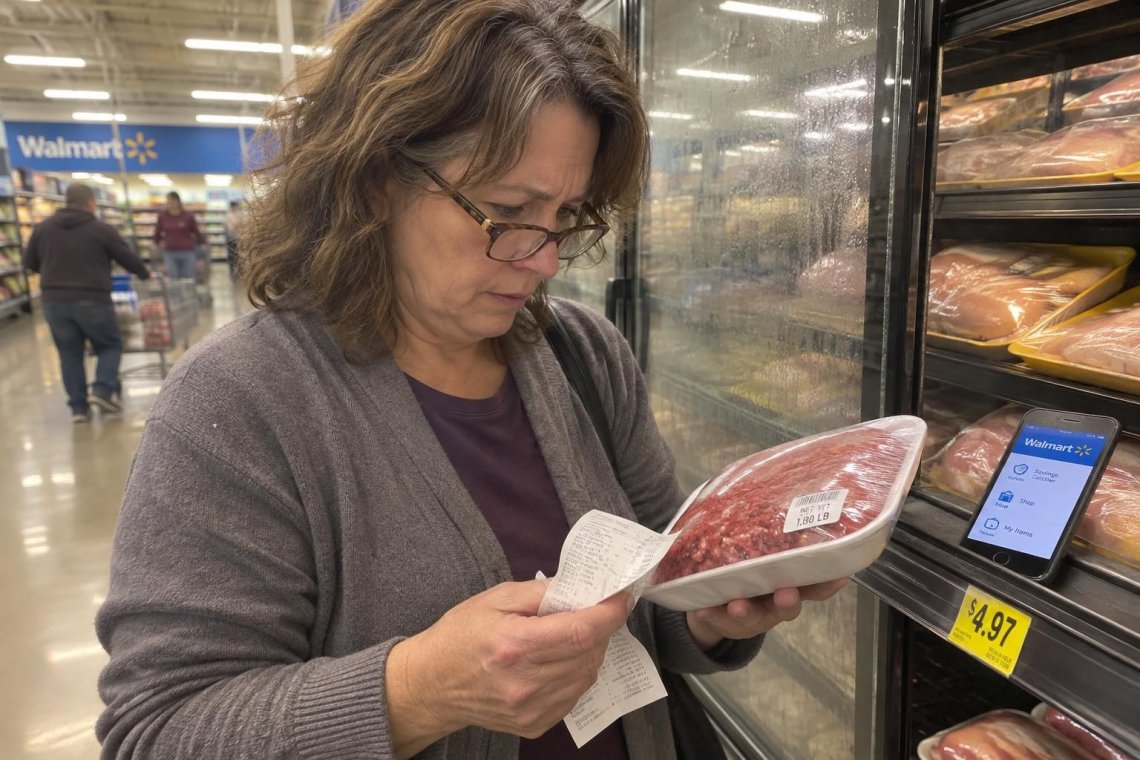
Walmart ripping off consumers refers to allegations of checkout overcharges, mislabeled product weights, and disputed pricing practices. Your concerns span the food you receive, the price you pay, and dynamic pricing.
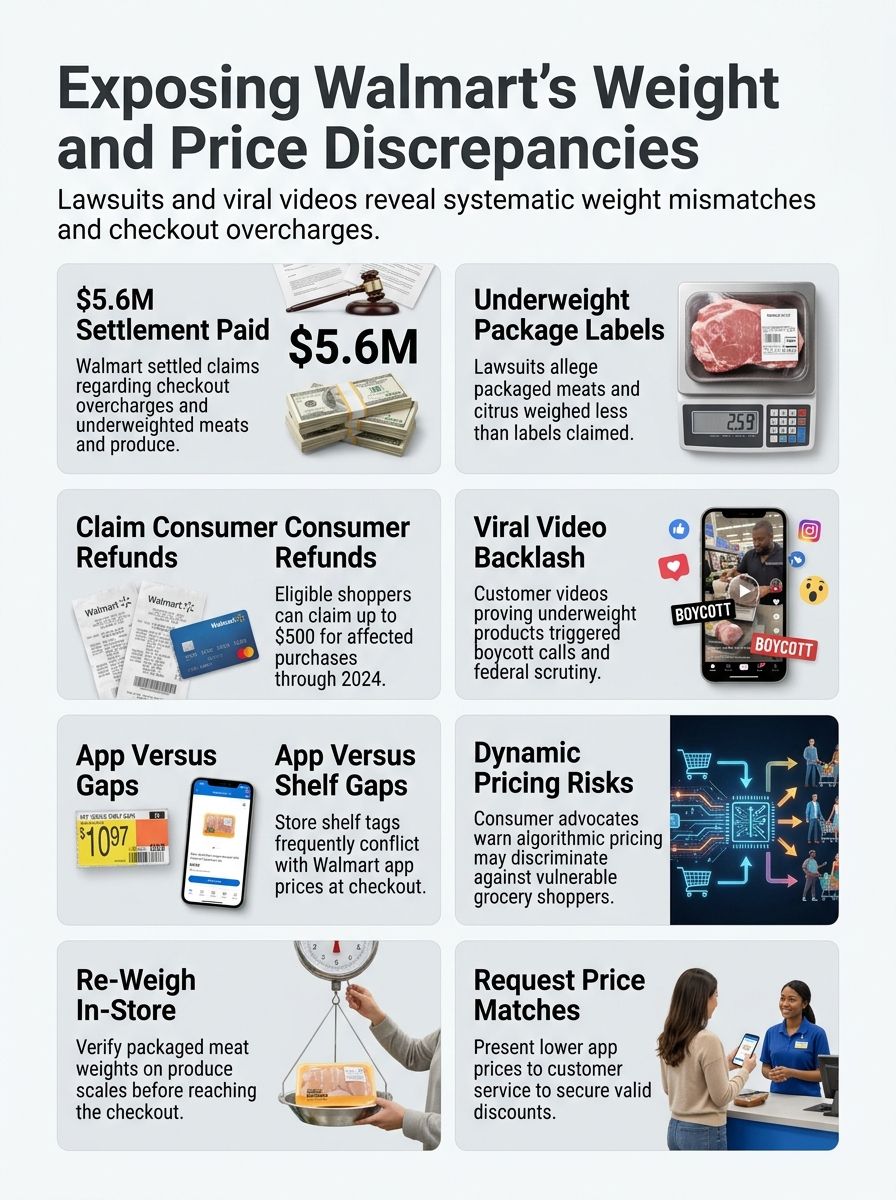
California prosecutors announced a $5.6 million settlement in August 2025 over alleged price and weight errors. Walmart did not admit wrongdoing. That case differs from a separate $45 million grocery settlement whose claim deadline passed on June 5, 2024.
The sections below distinguish the cases, examine viral reports, and explain checks for your purchases.
Main Highlights
- You can distinguish a documented labeling error from an unproven claim of deliberate fraud.
- California’s enforcement settlement addressed alleged checkout overcharges and short-weight products.
- The separate grocery class settlement no longer accepts new claims.
- Digital shelf labels alone do not establish that you face personalized prices.
- You can document disputes with receipts, shelf photos, package labels, and weight checks.
FAQs
1. What does the title claim about Walmart? It alleges that Walmart sold meat and other goods with less weight than their labels stated. The allegation needs reliable evidence before anyone can treat it as fact.
2. How can shoppers check a product’s weight? Compare its net weight with a trusted scale, and keep the label and receipt. Shoppers in New York State or New Jersey can ask local weights-and-measures officials how to report a concern.
3. How can shoppers compare prices fairly? Check the price per unit, not just the package price. Compare Walmart with Sam’s Club, Costco, Meijer, or Instacart listings, and look at whether a deal is truly a deal or a ripoff.
4. Who should address a confirmed problem? Walmart should explain its checks and respond to evidence through clear corporate governance. Public comments from leaders such as John Furner or Dan Bartlett should be checked against verified company statements.
5. Does a higher consumer price index prove that products are underweight? No, it tracks price changes, not product weight. Groups such as Groundwork Collaborative may discuss affordability, but weight claims need direct evidence, and sustainability concerns do not prove a weighing error either.
Allegations of Weight Discrepancies
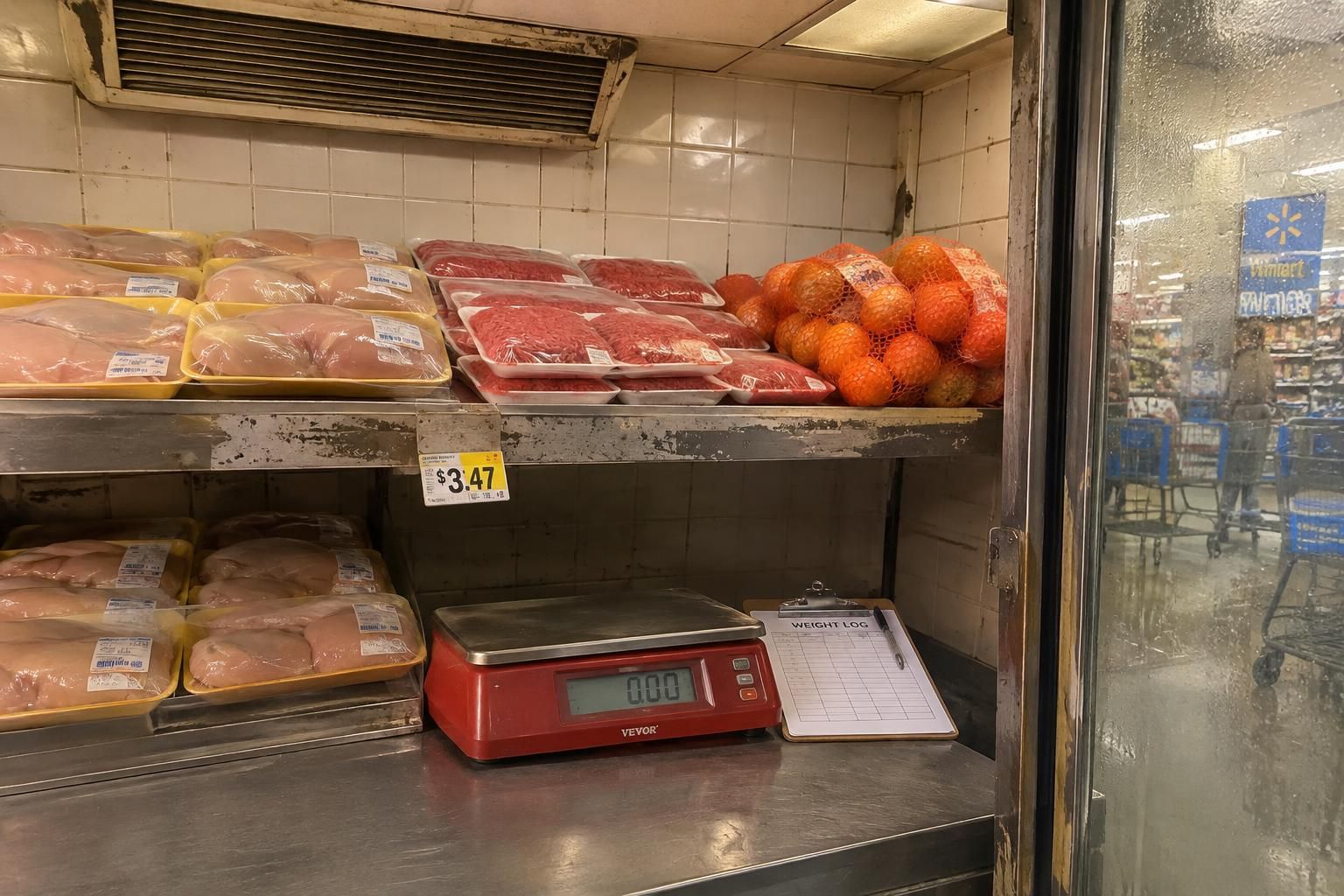 Walmart has faced allegations that packaged meat labels overstated product weights. For your purchase, separate the package’s physical weight from the price calculation at checkout. Those are different checks.
Watch the video discussing Walmart weight allegations
How has Walmart been accused of underweighing packaged meats and poultry?
Walmart faces claims that some packages contained less food than their labeled net weight. You pay for that stated food weight, not the wrapping.
The disputed practice is more clearly called overstating package weight. “Underweighing” can confuse the issue because the complaint concerns receiving less than the label promises.
A package that weighs less than its stated net weight, even with its wrapping, warrants a closer check.
Net weight excludes packaging. A sealed package’s total weight includes both food and wrapping, so it does not establish the food’s exact weight. NIST explains that inspectors check whether sellers subtract “tare,” the packaging weight.
What did the consumer protection lawsuits and settlements involve?
Walmart’s California enforcement settlement and grocery class settlement involved different claims and payment terms. You cannot use the California case to seek a class-settlement payment.
California prosecutors announced a $5,639,801.92 judgment, including $5.5 million in penalties and $139,801.92 in costs. The separate class case concerned certain meat, poultry, pork, seafood, and bagged citrus purchases.
The class settlement’s claim form covered purchases from October 19, 2018, through January 19, 2024. Its June 5, 2024, deadline has passed, so descriptions inviting you to file now are outdated.
- With purchase records: The formula offered 2% of documented covered spending, capped at $500.
- Without records: Scheduled amounts were $10, $15, $20, or $25, based on purchase counts.
- Payment adjustment: Amounts could increase or decrease based on valid claims.
- Purchase limits: Online purchases, returned goods, and purchases for resale did not qualify.
What specific conduct was covered by the Walmart weight discrepancy settlement?
The California settlement covered allegations that Walmart charged above posted prices and sold products weighing less than represented. Those claims included produce, baked goods, and prepared foods.
The case involved prosecutors from San Bernardino, San Diego, Santa Clara, and Sonoma counties. The judgment also required regional compliance staff responsible for California price accuracy, alongside store managers.
Santa Clara County’s announced share was $1,375,000 for its Consumer Protection fund. That allocation funds enforcement, rather than direct payments to you.
Viral Reports and Social Media Backlash
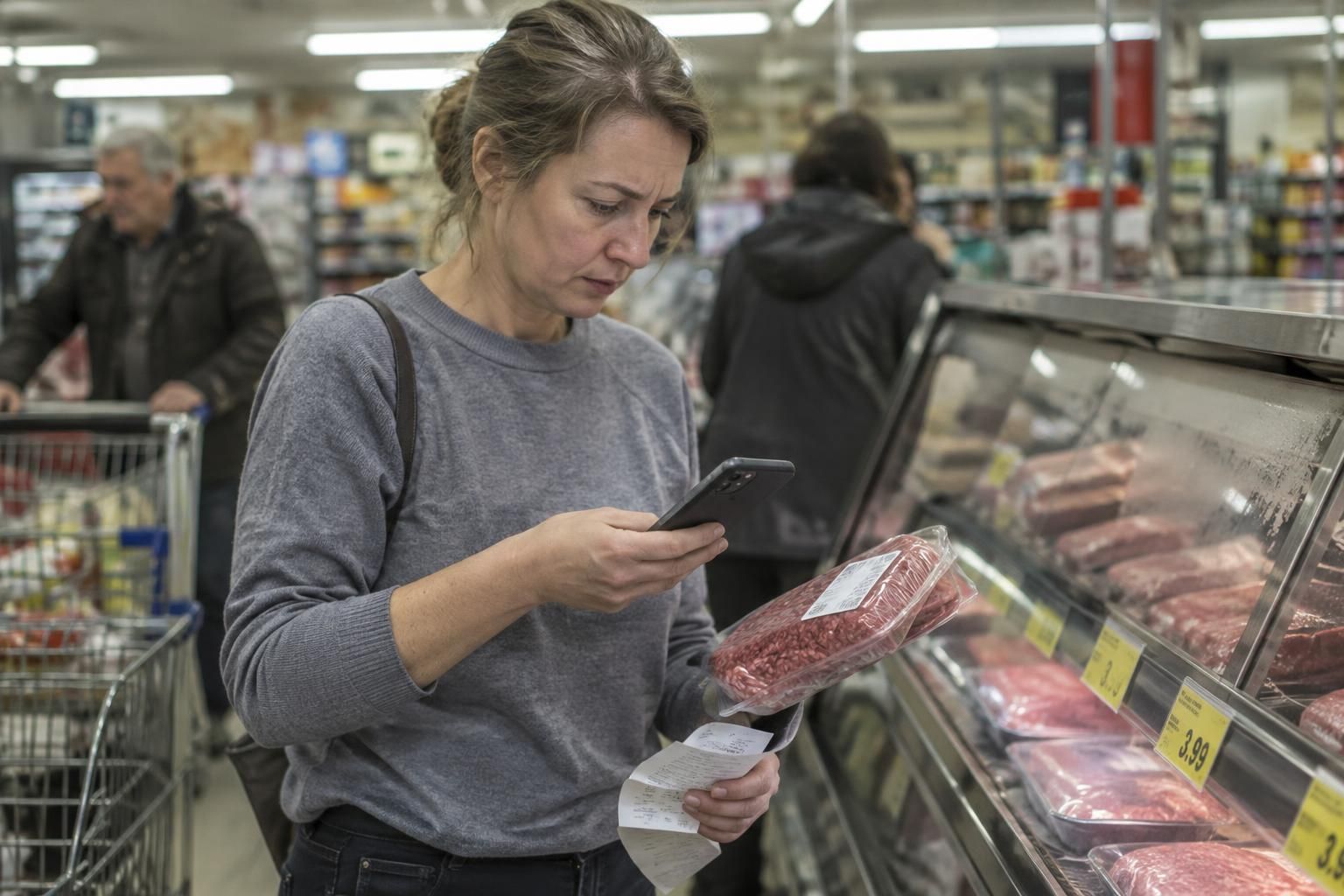
Walmart weight videos give you specific claims to examine, not a measure of every store. The widely reported 2026 clips included TikTok posts by Jimmy Wrigg. A repost on Facebook may omit the original date or response.
Watch the video about Walmart labeling concerns
What videos have highlighted Walmart’s mislabeled product weights?
Jimmy Wrigg’s videos showed packaged meat on scales and challenged the printed weights. You can compare those allegations with the supplier’s response.
Delish reported an example labeled 5.34 pounds that appeared to read 2.24 pounds. Kentucky Legend said a labeling error affected a limited production run and affected products were removed. That response addressed those products, not every claim online.
- Check whether the video shows the label and scale reading clearly.
- Look for the original post, product name, and purchase location.
- Distinguish an apparent shortage from a verified inspection finding.
- Check whether the retailer or supplier addressed that product.
These checks help you assess what the clip establishes, without assuming a motive.
How are consumers responding with calls for boycotts and scrutiny?
Online responses include boycott calls, complaints, and demands for weight checks. You should not treat those posts as verified boycott participation totals.
A further development came in October 2026. WSB-TV reported a proposed lawsuit over allegedly underweight frozen shrimp, following its own investigation. A proposed lawsuit remains an allegation, not a court finding.
If a video prompts you to check your groceries, document your own purchase. Your receipt, package code, and measurements provide evidence tied to your complaint, rather than another shopper’s experience.
Walmart’s Pricing and Market Practices: Dynamic Pricing
Walmart’s pricing debate includes dynamic pricing, digital shelf labels, and price transparency. For your shopping decisions, distinguish the display technology from the method used to set prices.
What concerns exist about Walmart’s dynamic pricing methods?
Dynamic pricing concerns involve changing prices, while personalized pricing concerns involve prices based on your data. Walmart says it does not use individualized or surge pricing.
Algorithmic pricing means software helps set prices. Digital shelf labels, also called electronic shelf labels, display prices electronically. Neither term alone proves discriminatory pricing based on personal data.
- Dynamic pricing: Prices change with market conditions or demand.
- Personalized pricing: Your characteristics or consumer behavior influence your offer.
- Digital shelf labels: Electronic screens display shelf prices.
Walmart states that prices remain centrally controlled and labels display approved changes. That is the company’s stated practice, not an independent audit of each transaction.
How have Walmart’s supplier pricing practices been questioned?
Walmart’s supplier pricing faces claims that preferential terms disadvantage smaller grocers. Those claims differ from allegations that software changes your personal checkout price.
In January 2026, the National Grocers Association cited unsealed filings from a dismissed FTC case. It argued that supplier arrangements protected Walmart’s price advantage while raising competitors’ costs. The association represents independent grocers, so its claims reflect that perspective.
A separate regulatory development also matters. On October 28, 2026, the FTC announced information orders to Walmart and other companies about personal-data pricing. The inquiry did not establish wrongdoing or resolve the supplier-pricing claims.
What pricing differences have shoppers reported between Walmart’s app, website, and store shelves?
Walmart prices can differ across stores and online channels. Your app result does not automatically establish the correct price for an in-store purchase.
Check the seller and shopping method before comparing prices. A shipped marketplace offer is not the same offer as a local pickup listing.
| Where you check | Reported difference | What you can check |
|---|---|---|
| Walmart app | The listing may differ from the shelf price. | Confirm the store, seller, size, and shopping method. |
| Walmart website | An online offer may differ from an in-store offer. | Check availability and who sells and ships the item. |
| Store shelf | The displayed price may differ from your online result. | Match the product barcode and package quantity. |
| Checkout | The charge may exceed the matching shelf tag. | Keep the receipt and photograph the tag. |
Walmart’s terms acknowledge channel differences, while its price-match policy excludes third-party marketplace offers. A shelf-to-register dispute and an online price-match request require different checks.
What tariff refunds has Walmart received and what is its plan for those funds?
Walmart reported receiving about $2.9 billion in tariff refunds during the quarter ended July 31, 2026. It said much went toward customer-focused spending.
Walmart’s August 2026 securities filing described lower-price investment and other cost offsets. It expected continued price investment through its fiscal year ending January 31, 2027. The refunds concerned tariffs collected under emergency-powers authority.
You do not receive a direct payment from that company refund. To assess your savings, compare actual prices for the same products rather than treating the refund total as a promised reduction on every item.
What concerns have independent grocers raised about Walmart’s buyer power?
Independent grocers argue that Walmart’s buying size helps secure supplier terms unavailable to smaller competitors. You may see lower prices without seeing those wholesale arrangements.
The National Grocers Association’s January 26, 2026, announcement urged FTC and Justice Department action. Its complaint concerned competition between retailers, not proof that your package weighs too little.
- Keep supplier-pricing allegations separate from package-weight evidence.
- Compare the same quantity and product when judging retail prices.
- Do not treat a trade group’s investigation request as a legal finding.
How Consumers Can Protect Themselves
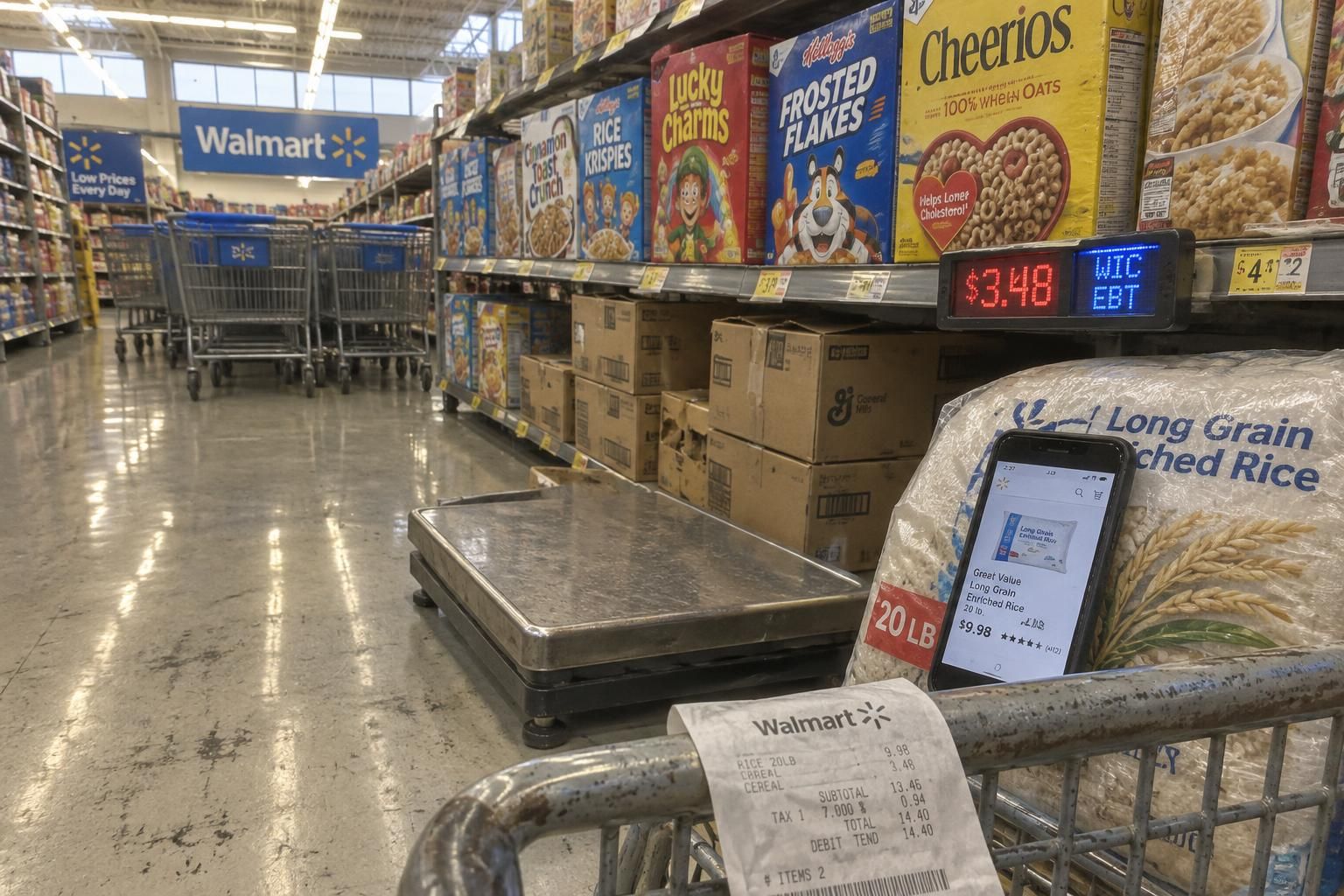
Walmart purchase checks work best when your evidence identifies the exact item. Keep the receipt, package label, and matching shelf photo together.
How can shoppers double-check receipts and product weights at Walmart?
You can verify a Walmart purchase by comparing the receipt, matching shelf tag, and labeled net weight. A store-scale check can flag a possible shortage.
NIST describes net-weight inspections as checks that exclude packaging. Your home or produce-scale reading is a screening check, not a replacement for official testing.
- Check the receipt: Match each disputed line to the product and shelf tag. Note the store, date, and amount charged.
- Check the package: Compare the labeled net weight with a scale using matching units. Do not open raw meat in the store.
- Report a mismatch: Ask customer service to review the evidence. For unresolved concerns, contact your local weights-and-measures office; Santa Clara County accepts price and weight complaints.
At home, zero the scale with an empty clean container before adding food. That subtracts the container’s weight. Do not compare cooked meat with its raw labeled weight, since cooking changes moisture and fat content.
If checkout exceeds the matching shelf tag, show staff both records and request a correction. Keep any refund receipt with the original purchase record.
How can shoppers request price matches for online and in-store price discrepancies?
You can request an eligible Walmart online price match at checkout. A lower app listing alone does not guarantee approval.
Walmart’s published policy requires an identical, available online item and excludes marketplace sellers and certain promotions. Online price matching is unavailable in Alaska, Hawaii, and Puerto Rico.
- Find the exact item in the app. Match its brand, size, quantity, and model where relevant.
- Confirm Walmart sells and ships the item. Keep the live listing open for staff review.
- Request the match before payment. If the issue concerns a higher checkout charge, show the matching shelf tag instead.
- Save your receipt and any correction. Ask staff which exclusion applies if they decline the match.
Walmart lists clearance, Rollback, and special-event offers among exclusions. Check the current terms rather than relying on an older successful request.
Conclusion
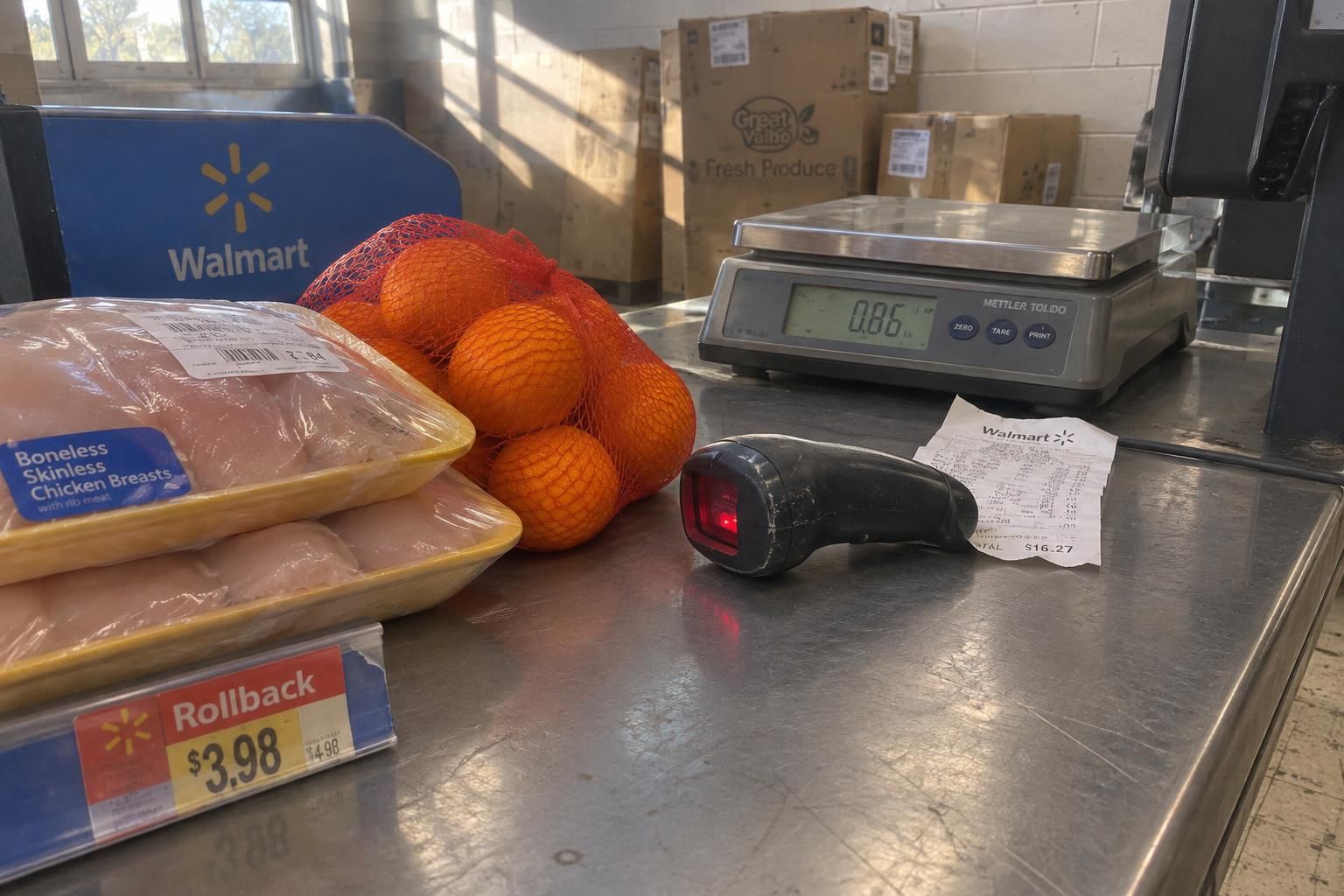
You can assess Walmart weight and pricing claims without assuming every purchase is wrong.
The California case addressed alleged overcharges and short-weight products. Its settlement included penalties and price-accuracy oversight, not a general payment program for your groceries.
The separate grocery class settlement covered defined purchases between 2018 and 2024. Its claim deadline passed on June 5, 2024, so you cannot submit a new claim under that program. Old payout descriptions should not guide your next step.
Dynamic pricing raises different questions from mislabeled meat. An electronic tag does not, by itself, show that your personal data set the price. Walmart denies personalized pricing, while the FTC’s October 2026 information request seeks more detail about company practices.
For your next purchase, focus on evidence you can keep: the receipt, matching shelf tag, package label, and any weight check. Ask staff to review a mismatch and retain the correction.
You can also compare unit prices at Costco, Meijer, or Sam’s Club. Match package quantities and account for any membership cost. The useful distinction between deals and ripoffs rests on what you receive and what you actually pay, not a viral headline.
Read more lifestyle and consumer products articles at ClichéMag.com
Images provided by Deposit Photos, BingAI, Adobe Stock, Unsplash, Pexels, Pixabay Freepik, & Creative Commons. Other images might be provided with permission by their respective copyright holders including AI generators.

