
Last Updated on October 13, 2026 by Cliche
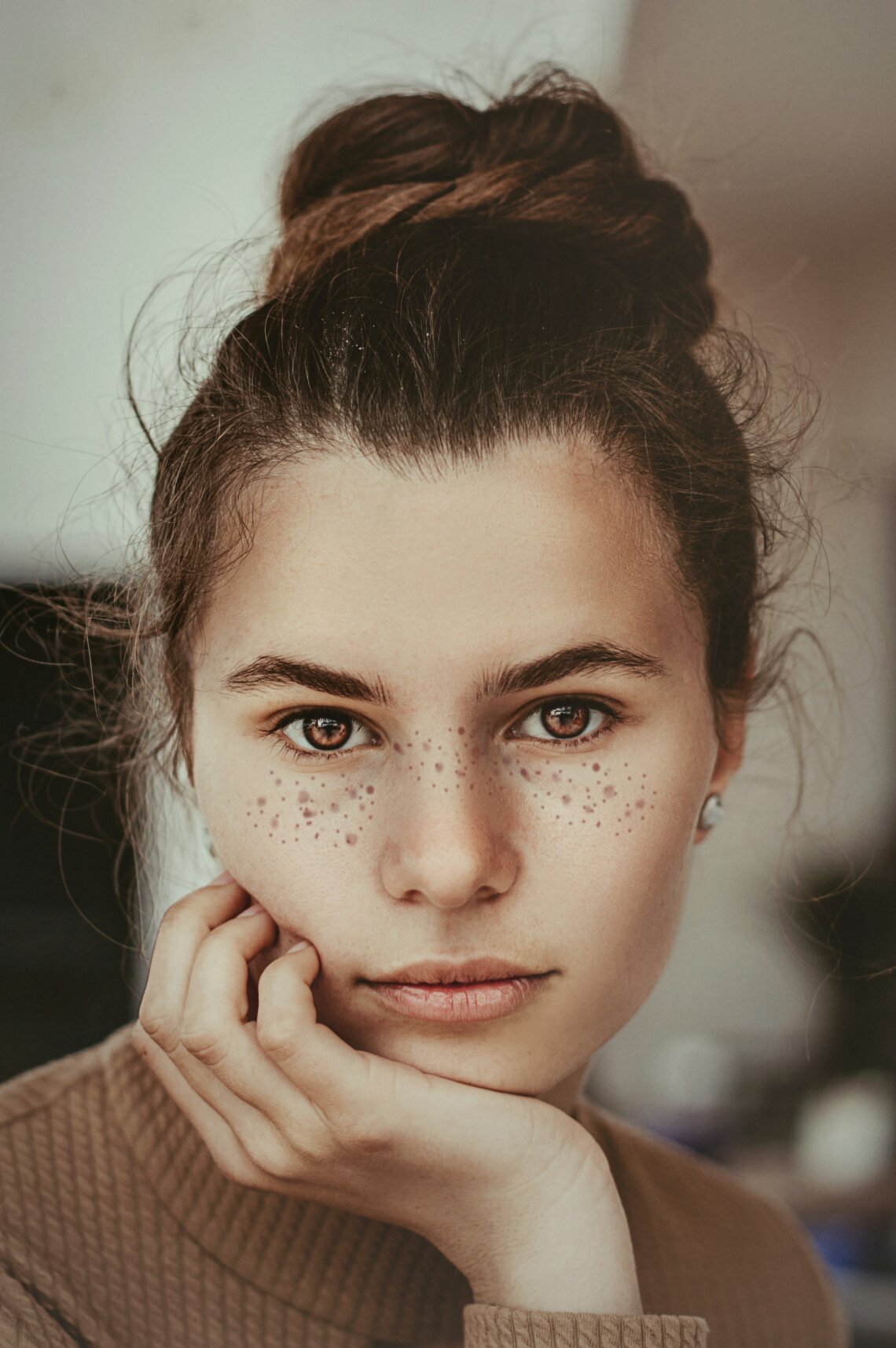
Most people will get dark spots at some point in their life, whether it’s a brown patch on cheek that appeared after a breakout or a freckle that seems to have deepened over the summer. While most of them are harmless, they’re surprisingly stubborn to get rid of.
This guide will walk you through the most common causes of dark spots and the most effective ways to fade them.
The most common causes of dark spots
Dark spots is a type of hyperpigmentation – a condition that causes skin cells to make extra melanin in a patch of the skin, giving it a darker colour than its surroundings. Unlike some other types of spots, they are usually flat and don’t itch or hurt.
Dark spots can be caused by a number of different triggers, with below being the most common:
|
Type |
What it looks like |
Usual cause |
|---|---|---|
|
Sun spots |
Small, flat, tan to brown marks on the face, hands and shoulders |
Years of UV (Ultraviolet) ray exposure from the sun or tanning beds |
|
Post-inflammatory marks |
Flat patches where a spot or flare-up has healed |
Skin inflammation from acne, eczema, picking on pimples or harsh cosmetic products |
|
Melasma |
Larger, symmetrical brown or grey-brown patches, often on the cheeks and upper lip |
Fluctuations in hormones, particularly during pregnancy or from birth control pills |
|
Medications |
Brown, grey or blue-grey patches, sometimes widespread and often on sun-exposed skin |
Certain drugs, like antibiotics or chemotherapy agents, can cause skin darkening as a side effect |
|
Natural ageing |
Scattered flat brown patches and an uneven tone that build up gradually over the years |
Cumulative oxidative stress and slowed cellular turnover over the years |
What works in fading dark spots
Topical treatments, like creams and ointments, can be very effective in fading dark spots. The most important thing, however, is to use a dark spot cream formulated with the right active ingredients. Here are the most effective ingredients to look for in over-the-counter products:
|
Active ingredient |
How it works |
Things to keep in mind |
|---|---|---|
|
Vitamin C |
An antioxidant that helps slow pigment production. |
It can sting at first, so its use needs to be built up gradually. |
|
Viniferine |
Vine-derived natural ingredient, which fades hyperpigmentation marks and brightens skin tone. |
Often used as a gentler alternative to Vitamin C. |
|
Niacinamide |
Helps even out tone and supports the skin barrier. |
Usually very well tolerated on all skin types. |
|
Glycolic acid |
Exfoliates the skin, helping pigmented surface cells shed quicker. |
It raises sun sensitivity, so must be paired with an SPF cream. |
|
Mandelic acid |
Gentle exfoliant made from bitter almonds that helps shed pigmented surface cells |
It has larger molecules than glycolic acid, so it’s gentler on the skin, but SPF should still be used. |
|
Azelaic acid |
Calms inflammation, helping soften marks caused by it |
Higher strengths of azelaic acid (over 10%) need a prescription |
There are also stronger options available, such as hydroquinone, for those with particularly stubborn hyperpigmentation. However, these are prescription-only and should only be used for short courses under dermatologist supervision.
Prevention always comes first
The above active ingredients can help get rid of existing dark spots, but they will not prevent you from getting new ones. Here are some ways to minimise the likelihood of new marks:
- Put SPF 30 or higher on everyday (cloudy or not) and reapply every 2 hours if you’re spending all day outdoors.
- Find shade and wear a hat between 11am and 3pm, especially in the summer.
- Leave spots and marks alone (don’t try to pick them).
- Choose gentle, fragrance-free skincare products to avoid irritation.
- Keep your skin hydrated, whether with simple moisturisers or more elaborate treatments.
Stay patient
Fading dark spots is a long process, which can take weeks or even months to see results. So, keep a consistent routine and give any new product a good amount of time before judging it.
Read more beauty and skin care articles at ClichéMag.com
Images provided by Deposit Photos, BingAI, Adobe Stock, Unsplash, Pexels, Pixabay Freepik, & Creative Commons. Other images might be provided with permission by their respective copyright holders including AI generators.