
Last Updated on October 9, 2026 by Cliche
Your skin’s needs are individual. What works effectively for someone else might not address your specific concerns. A personalized skincare approach considers your skin type, climate, age, lifestyle, and specific goals to create a routine that actually benefits you rather than following a generic formula designed for hypothetical average skin. By focusing on personalized skincare, you can ensure that your routine is tailored to your unique requirements.
Understanding Your Skin Type and Specific Needs
Before selecting skincare products or pursuing treatments, understanding your individual skin characteristics provides the foundation for effective choices.
Skin types range across a spectrum. Oily skin produces excess sebum and may be prone to congestion. Dry skin lacks sufficient moisture and lipid protection. Combination skin exhibits characteristics of both, typically with oilier T-zones and drier cheeks. Sensitive skin reacts to irritants or shows visible reactivity.
Your skin type isn’t fixed forever. It changes with age, seasons, climate, stress levels, and hormonal cycles. A skincare approach that worked for you five years ago might not serve you now.
Specific concerns beyond basic skin type matter significantly. Some people struggle with acne, others with hyperpigmentation or uneven tone. Fine lines, loss of firmness, rough texture, redness, or sensitivity might be primary concerns. Environmental factors like sun damage or pollution exposure might be driving concerns.
Your climate and environment affect your skin’s needs. High humidity affects skin differently than arid climates. Air conditioning and heating in homes and offices dry skin. Sun exposure varies by location and season.
Your lifestyle including activity level, sun exposure, sleep patterns, stress, and dietary habits all influence your skin. High-activity people who exercise frequently may need different products than sedentary individuals.
Assessing Your Skincare Goals
Clear goals guide more effective skincare choices than vague desires for “better skin.”
Prevention goals focus on maintaining healthy skin and preventing future problems. Someone in their 20s and 30s might prioritize sun protection and establishing healthy habits that prevent premature aging.
Maintenance goals assume your skin is basically healthy and you want to keep it that way. Consistent sun protection, hydration, and basic care support this goal.
Improvement goals address existing concerns like acne, hyperpigmentation, or texture issues. These require more targeted approaches and potentially professional treatments.
Enhancement goals seek to improve appearance beyond basic health, such as brightening dull skin, increasing firmness, or addressing subtle signs of aging.
Specific concern goals address particular issues like sensitivity, redness, or reactivity.
The most effective skincare incorporates multiple goal types. Someone might want to prevent future sun damage, maintain current skin health, and address existing hyperpigmentation, all within one routine.
Professional Assessment and Personalization
A professional skincare assessment provides insights that home observation might miss.
A professional evaluates your skin type, notes specific concerns, assesses hydration levels and oil production, identifies sensitivities or reactivity, and considers your goals and lifestyle. This comprehensive understanding guides recommendations for products and potentially treatments that address your specific situation.
Professional guidance also prevents common mistakes like using products that are too harsh for sensitive skin, selecting products that don’t address actual concerns, or using treatments that aren’t appropriate for your skin type.
Skin care tailored to your goals provides professional assessment that creates personalized recommendations rather than suggesting generic approaches.
Building an Effective Skincare Routine
An effective skincare routine addresses your specific skin type and concerns without overwhelming complexity.
Cleansing removes oil, dirt, and makeup without stripping necessary skin oils. Cleansing should be gentle enough for daily use and effective enough to actually clean your skin. Your cleanser should leave your skin feeling clean but not tight or uncomfortable.
Targeted treatments address specific concerns. A treatment for acne differs from one addressing hyperpigmentation or sensitivity. Targeted treatments are applied to areas with specific concerns or, in some cases, across your entire face depending on recommendations.
Hydration and protection are foundational. A hydrating product appropriate for your skin type helps maintain skin barrier function and plumpness. Sun protection is non-negotiable regardless of your other concerns because sun damage accelerates aging and creates other concerns.
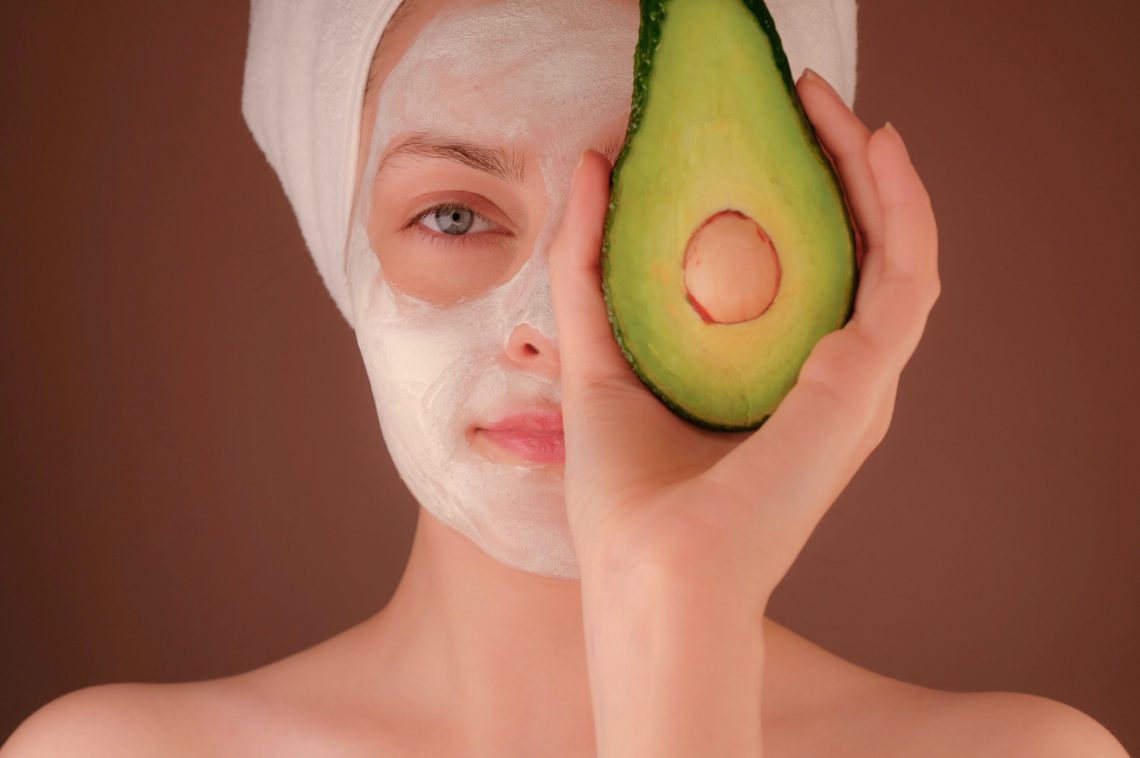
Occasional intensive treatments might include masks, exfoliating treatments, or other products used weekly or less frequently to address deeper concerns.
Professional Treatments and Support
For some concerns or goals, professional treatments provide results that at-home products cannot achieve.
Chemical peels use stronger concentrations of active ingredients to address texture, tone, and certain concerns more effectively than at-home products.
Professional treatments for acne, sensitivity, or other skin conditions might include specialized equipment or professional-grade products.
Combination approaches often work better than single treatments. A dermatologist or esthetician might recommend professional treatments paired with specific at-home products to maximize results.
Understanding what’s realistic from at-home skincare versus what requires professional intervention helps set appropriate expectations and invest in approaches that will actually address your concerns.
Comfort During Treatment: Nitronox Support
For people undergoing professional aesthetic or medical treatments, comfort during the procedure affects the experience significantly.
Advanced comfort support during treatments helps people remain relaxed and comfortable throughout the procedure, improving the experience and potentially improving results by reducing stress-related tension or movement.
For professional procedures where comfort support may be available, nitronox treatment support provides information about comfort options that might be part of your treatment experience.
Managing Expectations and Timeline
Skincare results develop gradually. A new routine typically requires 4 to 8 weeks of consistent use before meaningful changes appear. Some concerns respond faster than others. Acne might improve within weeks, while hyperpigmentation or texture concerns require more extended use.
Consistency matters more than perfection. A simple routine you actually do consistently provides better results than a complicated routine you use sporadically.
Professional treatments also show results over time rather than immediately. Peels show gradual improvement in texture and tone over several weeks. Treatments addressing specific concerns typically require multiple sessions scheduled appropriately for your condition.
Seasonal and Lifestyle Adjustments
Your skincare routine may benefit from seasonal adjustments. Winter often requires richer hydration as heating dries air. Summer might require adjustments for increased sun exposure or humidity. Travel or climate changes might necessitate temporary adjustments.
Significant life changes including stress, hormonal changes, or new medications can affect skin. Your routine might need adjustment to address these changes.
Conclusion
Personalized skincare that addresses your specific skin type, concerns, goals, and environment provides far better results than generic approaches. Understanding your individual needs, assessing your goals clearly, and selecting products and approaches suited to your situation creates a routine that actually benefits your skin. Professional guidance helps identify what your skin truly needs and prevents the common mistake of using products that don’t serve your actual concerns. Consistency, appropriate expectations, and willingness to adjust as conditions change create skincare that supports healthy, well-maintained skin suited to your individual needs.
Read more beauty and skin care articles at ClichéMag.com
Images provided by Deposit Photos, BingAI, Adobe Stock, Unsplash, Pexels, Pixabay Freepik, & Creative Commons. Other images might be provided with permission by their respective copyright holders including AI generators.