
Last Updated on October 9, 2026 by Cliche
Tendonitis is one of the most common musculoskeletal problems people experience, yet it’s also frequently misunderstood. The condition develops gradually through overuse or improper movement patterns and responds well to appropriate management, but recovery requires understanding what’s happening in your tendon and following appropriate treatment strategies for managing tendonitis.
What Tendonitis Is and How It Develops
A tendon connects muscle to bone and transmits the force generated by muscle contraction. When a tendon becomes inflamed or irritated, it hurts with certain movements and can become progressively problematic if the underlying cause isn’t addressed.
Tendonitis develops through several common pathways. Repetitive activities or sports that stress the same tendon repeatedly can trigger inflammation. Sudden increases in activity or intensity create tendon stress before the tissue adapts. Improper movement patterns or body mechanics place excessive stress on particular tendons. Age-related changes mean tendons become less resilient over time.
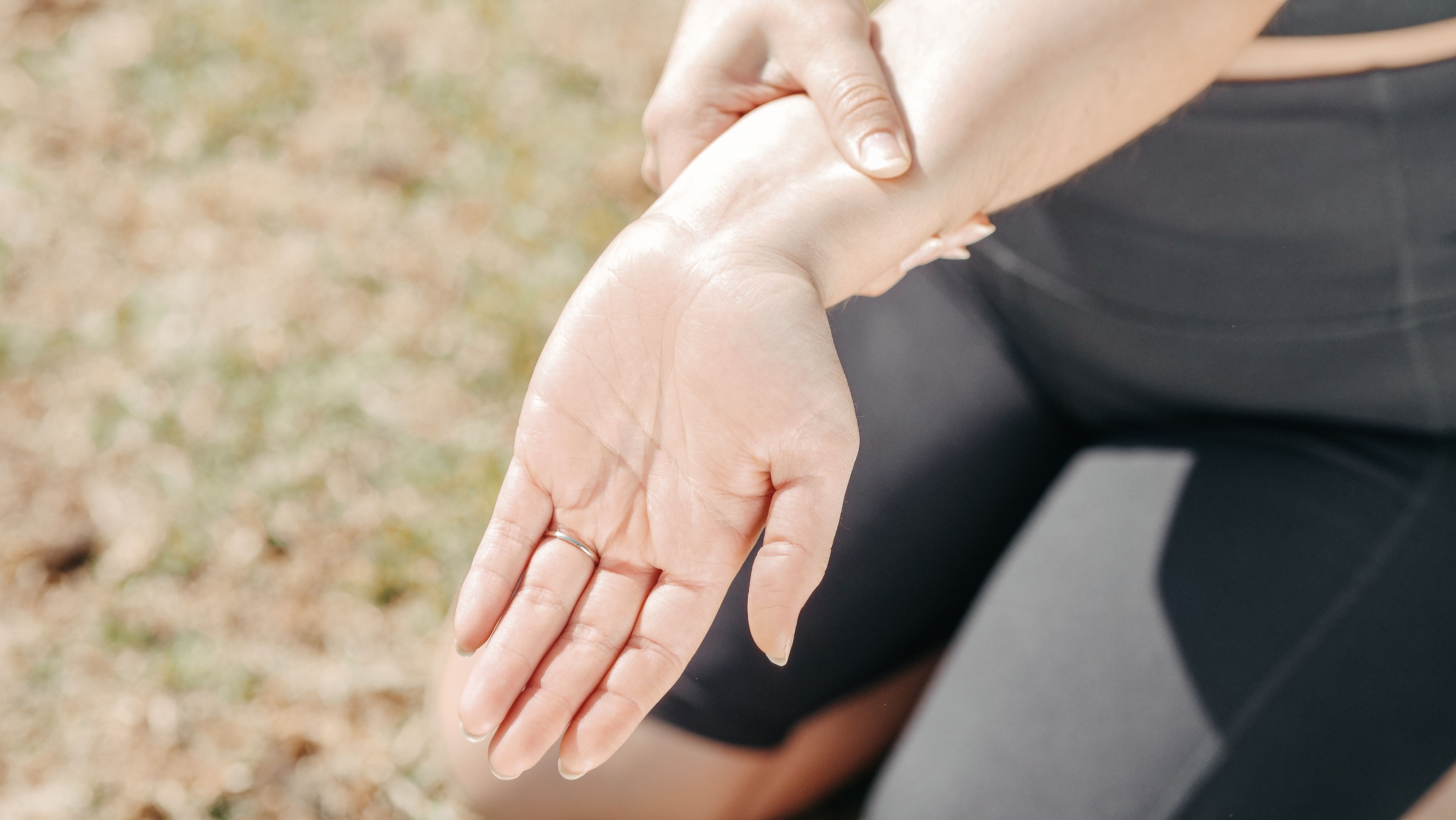
Common affected areas include the Achilles tendon (back of ankle), rotator cuff tendons (shoulder), elbow tendons (tennis elbow or golfer’s elbow), wrist tendons, and knee tendons. The specific location affects which activities aggravate the condition and what recovery entails.
Early symptoms usually include pain with specific movements, mild swelling, and possibly slight warmth in the area. Pain might be present only with the activity that triggered the tendonitis or might extend to multiple movements as the condition develops.
Progressive symptoms if untreated include increasing pain, swelling that becomes more noticeable, weakness in the affected area, and reduced range of motion.
Why Tendonitis Develops and What Perpetuates It
Understanding what caused your tendonitis is essential for recovery because addressing the cause prevents recurrence.
Activity-related causes are most common. Runners develop Achilles tendonitis, tennis players develop elbow tendonitis, swimmers develop shoulder tendonitis. The repetitive stress of the specific activity creates cumulative tendon irritation.
Biomechanical issues including muscle imbalances, tight muscles, or improper movement patterns can place abnormal stress on tendons. Someone with weak hip muscles might develop knee or ankle tendonitis because other structures compensate for the weakness, creating abnormal loading patterns.
Sudden activity changes including starting a new activity, dramatically increasing intensity or frequency, or returning to activity after time off create tendon stress. Tendons adapt gradually to demands, so rapid increases outpace adaptation.
Age-related changes mean tendons have less elasticity and recover more slowly. Someone who could tolerate intense activity in their 20s might develop tendonitis from the same activity in their 40s.
Continued irritation perpetuates tendonitis. If you continue doing the activity that triggered the condition or don’t modify movement patterns, the tendon remains irritated and recovery stalls.
Recovery Strategies for Tendonitis
Effective recovery requires addressing both immediate pain and the underlying cause.
Activity modification is the foundation of recovery. Continuing the activity that triggered tendonitis prevents healing. This doesn’t necessarily mean complete cessation, but rather modification to reduce stress on the affected tendon. A runner might reduce distance, frequency, or intensity. Someone with elbow tendonitis might avoid gripping activities or modify how they grip.
Rest and ice in the early phase reduce inflammation and pain. Applying ice for 15 to 20 minutes after activity that aggravates the tendon helps reduce swelling.
Gradual strengthening as pain subsides helps the tendon recover and prevents recurrence. Gentle exercises targeting the affected area and muscles around it support recovery. Exercises should be painful, but not painful to the point of affecting movement or causing swelling.
Stretching and flexibility work addresses tightness that might contribute to tendon stress. Tight muscles pull on tendons and create abnormal loading patterns. Appropriate stretching reduces this stress.
Cross-training during recovery allows continued activity in ways that don’t stress the affected tendon. Someone with knee tendonitis might swim while recovering, maintaining fitness without knee stress.
Gradual return to activity as pain resolves prevents recurrence. Returning too quickly to full activity before the tendon has fully recovered often triggers recurrence.
When to Seek Professional Assessment
Tendonitis often responds to self-care and activity modification, but professional evaluation helps identify specific issues and create appropriate treatment plans.
Early assessment is valuable if you have pain with specific movements that doesn’t resolve with rest and modification. A professional can assess whether tendonitis is actually the problem and identify specific contributing factors.
Persistent symptoms despite self-care efforts warrant professional evaluation. Some conditions require treatment beyond self-care.
Uncertainty about appropriate recovery strategies is a legitimate reason to seek guidance. A professional can recommend specific exercises, activity modifications, and timeline for return to activity.
Complex situations involving multiple areas of pain or pain that doesn’t match typical tendonitis patterns benefit from professional assessment to identify what’s actually happening.
For treatment guidance and recovery support, treatment for tendon-related pain provides professional assessment and evidence-based treatment strategies.
Professional Treatment Options
Physical therapists and other professionals use several approaches to support tendonitis recovery.
Manual therapy including soft tissue techniques and joint mobilization can reduce pain and improve movement.
Targeted exercise prescribed specifically for your condition and guided by a professional ensures you’re doing movements that support recovery rather than potentially aggravating the tendon.
Modalities including ultrasound or other techniques might support recovery, though the evidence for effectiveness varies.
Movement retraining addresses biomechanical issues that contributed to tendonitis, helping you develop movement patterns that don’t stress the tendon.
Guidance on activity progression helps you return to normal activity appropriately rather than too quickly or too conservatively.
Recovery Timeline
Tendonitis recovery timelines vary based on severity, how quickly you address the problem, and how well you address contributing factors.
Early tendonitis might resolve within weeks with activity modification and appropriate self-care.
Established tendonitis typically requires 6 to 12 weeks of appropriate management for substantial improvement.
Chronic tendonitis that has persisted for months requires longer recovery periods and often benefits from professional intervention.
The timeline depends more on consistently addressing the underlying cause than on the duration since symptoms started.
Preventing Recurrence
Once you’ve recovered from tendonitis, preventing recurrence requires maintaining the changes that led to recovery.
Continue appropriate activity modification if the activity that triggered tendonitis is part of your regular routine. Gradual progression is safer than immediately returning to pre-tendonitis levels.
Maintain strength and flexibility through continued exercise. Weakness or tightness tends to recur without ongoing attention.
Address biomechanical issues that contributed to the problem. If weak hip muscles contribute to knee tendonitis, maintaining hip strength prevents recurrence.
Progress activity gradually if returning to previous activity levels. Tendons can be re-injured if you progress too quickly.
Local Support for Recovery
If you’re in the Mississauga area and seeking rehabilitation services, wellness services for Mississauga residents provide personalized rehabilitation and recovery support.
Conclusion
Tendonitis develops through overuse and improper movement patterns but responds well to appropriate management. Early recognition, activity modification, and gradual return to activity support recovery. Professional assessment helps identify specific contributing factors and create appropriate treatment plans, particularly for persistent or complex tendonitis. Understanding what triggered your tendonitis and maintaining the changes that led to recovery prevent recurrence. Whether managing tendonitis yourself or with professional support, addressing both the inflammation and the underlying cause creates lasting recovery rather than just temporary symptom relief.
Read more health articles at ClichéMag.com
Images provided by Deposit Photos, BingAI, Adobe Stock, Unsplash, Pexels, Pixabay Freepik, & Creative Commons. Other images might be provided with permission by their respective copyright holders including AI generators.