
Last Updated on July 24, 2026 by Cliche
Adding an in-ground pool to your property can make your entire home more fun to spend time in. Having an entertainment space that also looks beautiful and makes your home the best place to spend a summer day can be the perfect improvement to invest in. The problem that often derails homeowners when they start thinking about how to build an in-ground pool is the question of where to place it.
A skilled in-ground swimming pool builder will be able to advise you about the best places to install a swimming pool on your property. There are lots of considerations that can impact your choice regarding the location of the pool that you build to ensure you are ready to build an in-ground pool. You should be familiar with the reasons that you might want to place your pool in specific areas of your property, and you should also lean on the advice of your pool builder.
Where Should I Build an In-Ground Pool on My Property?
1. Consider Property Setbacks
There are legal distances that you have to maintain when you build structures in your yard in many neighborhoods. You need to know what these legal distances are so that you don’t build a swimming pool that violates laws or guidelines and has to be torn up again. Property lines are defined both by building codes and local laws, so you should have no trouble locating the information for your neighborhood and your state.
Your pool builder will also know this information, and if they do not, this should be a big red flag. You will need to keep your swimming pool away from fences, utility outlets, and fire lanes to be approved to build and to get permits for the construction project as well.
2. Understand Utility Easements
There are also utility easements that take into consideration underground sewer lines, septic tanks, wells, and even power lines that stretch over your property. You have to maintain the right safe distance from all of these different utilities when you add a pool to your yard. If you have a smaller yard, this will impact the overall design and placement of your pool in a bigger way than if you have a really large yard that is not close to any of these utility items.
You will need access to some of the utilities in many cases for your swimming pool as well, such as power, so you will need to ensure that you are balancing the laws and requirements of the construction project with the needs of your design plan.
3. Consider Proximity to Your Home
Another variable that is part of the determination of where to place a swimming pool on your property is the proximity of the pool to your home. It can be tempting to place your swimming pool as close as possible to your house, but that is typically not allowed due to building and safety codes. You also don’t want your swimming pool so close to your home that water runoff can get into the foundation or the basement when people are using the pool.
In most cases, the minimum distance that a pool has to be set away from a home is 5 feet from windows and doors that open. Designers will almost always suggest a 10-foot minimum gap between your home and your pool. You can easily fill this space with a nice deck or patio so that you don’t have to wander through grass or bark to get into the pool each day.
4. Think About the Exposure
While you might think that your swimming pool is meant to be enjoyed in the heat of the sun, you will probably find that the exposure has a lot to do with how much you can actually use your pool. If you place your swimming pool where the heat of the day makes it unbearable to be on the deck or in the water, or you locate your pool where the wind makes it miserable to go swimming, you will regret choosing this location immediately.
The exposure of your property can be discussed with your swimming pool designer to ensure that you get your pool set up facing the right direction on your property. Things like covered seating areas and even wind barriers can allow you to create a pool space that can be enjoyed in nearly any kind of weather.
5. Drainage and Water Table Needs
Your pool will actually drain water when it is in use. Water naturally will be spilled out of the pool when people are swimming, and you will probably have to drain some water out of the pump from time to time as well. You need to set your pool up where the water table isn’t high enough to cause flooding beneath the pool or in the pump house, and you need to place it where water runoff can be managed with ease.
Your swimming pool design will also help maintain a pool area that is not plagued by standing water. Talk with your pool designer if you are worried about standing water making your pool area a muddy mess.
Placing Your Pool in the Right Place is Key for Its Usefulness and Beauty
There are so many reasons that you need to place your swimming pool in the right spot on your property. The exposure to the weather, the drainage, and the appearance of your pool are all impacted by where you place it on your property. You also need to maintain legal and building code requirements when it comes to proximity to your home, fences, and utility installations.
These considerations can feel daunting if you are trying to figure them out on your own, but don’t worry! Your swimming pool designer should be able to help you figure out all of these details with ease. Having an experienced pool builder on your side can make all the difference when you decide it’s time to add a swimming pool to your property.
Read more lifestyle and leisure articles at ClichéMag.com
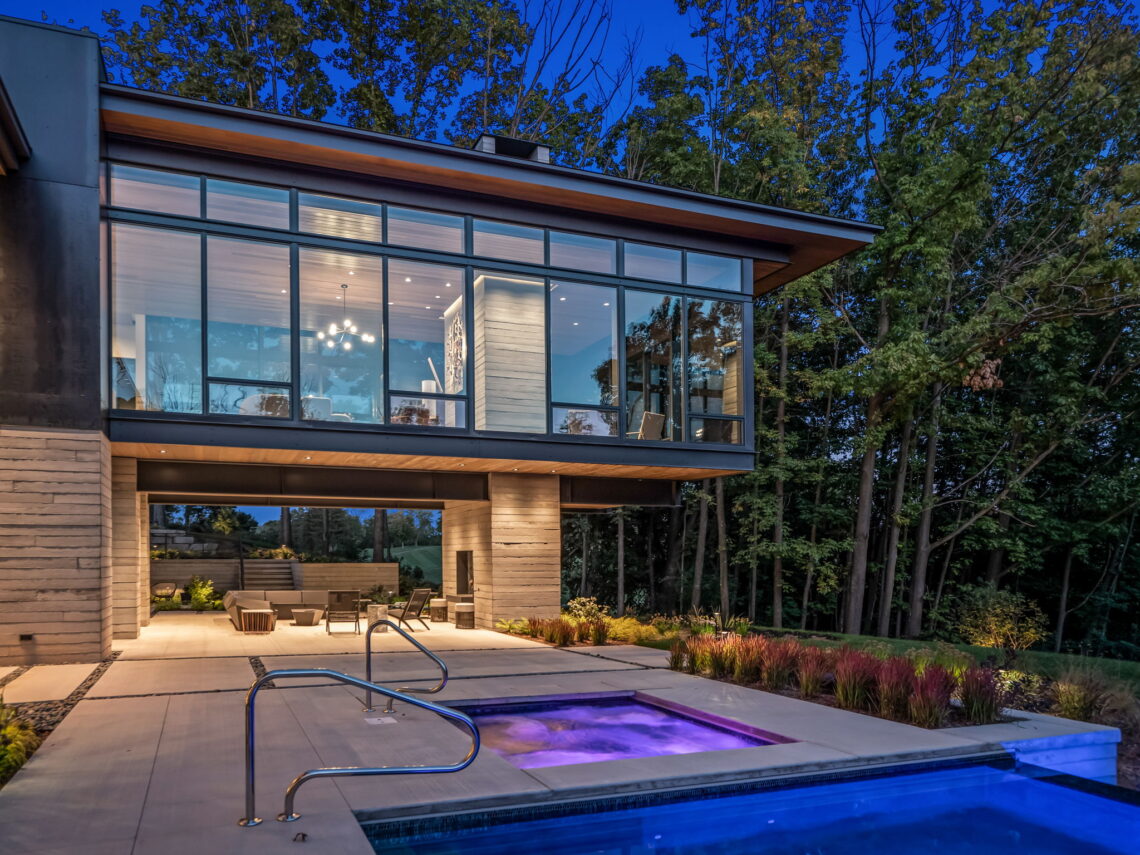
Image provided by sunsetpools-spas.com. Other images might be provided with permission by their respective copyright holders including AI generators.