
Last Updated on April 13, 2026 by Cliche
Maintaining a house cool in hot seasons may be a difficult task and whereas installation of central air conditioning is a sure way of cooling, use of natural cooling techniques can help save energy and conserve the environment. One of the most effective methods of reducing the indoor temperature is thoughtful landscaping which can offer some shade, block heat and improve airflow around your premises. Planting and design can help homeowners to make their living environment more comfortable and also improve the aesthetics of their home. Natural cooling systems do not substitute air cooling but can greatly minimize the use of mechanical cooling. Natural cooling landscaping needs planning and realization of the connection between the sunlight, wind patterns, and the location of the vegetation.
Trees in the Cooling of the Home
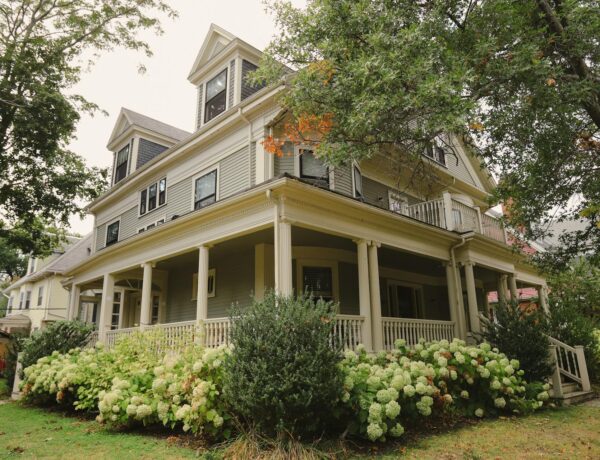
Planting trees strategically in the areas surrounding your house will offer you a lot of shade and minimize direct sunlight penetrating into your wall and windows. The trees in the south and west of the house are particularly efficient since they are used to shut out the sun during summer and to allow the light to reach the house during the winter season when the leaves fall. Besides cooling the building, trees also keep the air cooler in the surrounding environment providing a better microclimate in your yard.
Trees are also windbreaks and this helps to curb the hot winds that are likely to enter your house and raise the temperature in your house. They reduce the rate at which air moves to the surrounding of your home, thereby retaining cooler air, which is complemented by natural ventilation. Trees can be placed in the right location so that a lot of sunlight does not heat your roof and siding, thus eliminating the strain on your central air conditioning installation. In the long run, it may lead to the reduction of energy bills and the environmental footprint and comfort within the home.
Temperatures in the Shrub and Groundcover
Shrubs and hedges are also another layer of protection against heat since they shade walls and windows which would normally absorb sunlight. Planting shrubs near your house can cool the air prior to reaching your home, thus lowering the temperature of surfaces that add to the heat gain in your house. Plants that are thick especially around the pavements or the patios can also reduce the reflection of heat, and this makes the outdoor areas cooler than the living areas.
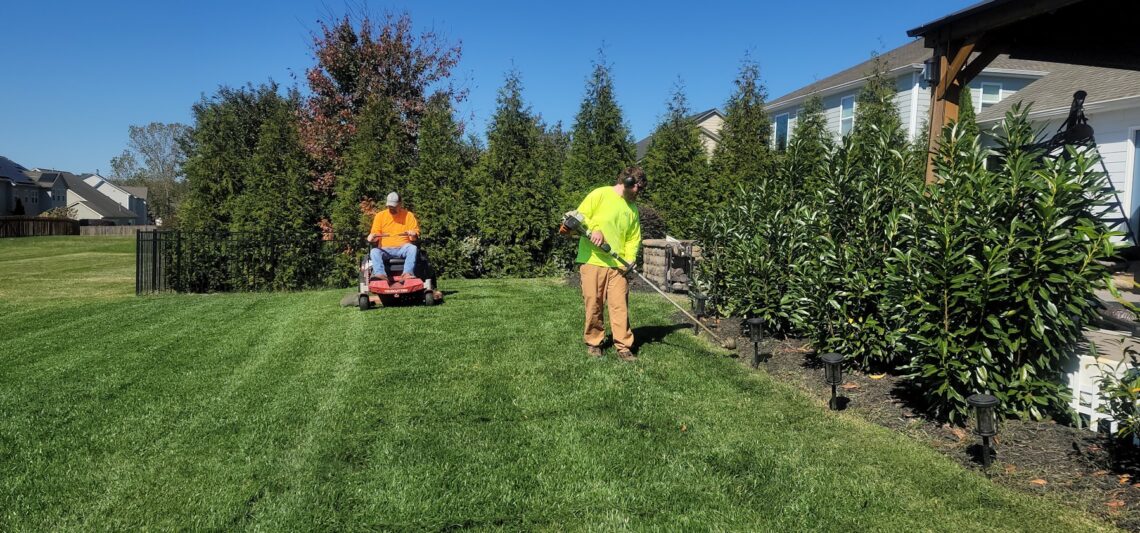
Groundcover plants are beneficial as they lower the temperature of exposed soil or paved surfaces emitting heat into the air. Grass, creeping plants, and mulch are all natural insulators that do not absorb heat as much as hard surfaces such as concrete or asphalt. These plants help to form a total comfort, reducing the ground temperatures near the home and supplementing other landscaping plans. This can be combined with an air conditioning installation service to ensure a more stable indoor temperature.
Shading to Airflow Designing
Windows and outdoor areas could be shaded with patios, pergolas and trellises that have climbing plants. These buildings prevent the overheating of walls and glasses and allow the air to flow through them at the same time. The addition of shade structures and landscaping contributes to the functionality of natural cooling, and it also provides usable outdoor living spaces that do not feel hot in summer.
Airflow should also be considered when designing landscaping. The plants must not totally obstruct the natural breezes but they must be designed to direct the wind in a manner that cools the house. The interstitial areas between the vegetation, coupled with the location of taller vegetation, can direct air over windows and doors to enhance ventilation. This will work in conjunction with your mechanical systems and will assist in your central air conditioning installation to work using less strain which will save on energy use and will increase the life of your system.
The art of landscaping is an effective method to naturally cool a house and may do much to improve the comfort of the interior. Homeowners can use trees, shrubs and groundcovers to enhance airflow and reduce heat gain by planting them in strategic locations to supplement the cooling systems already in place. These advantages can be improved by adding shade structures and designing air circulation to be effective.
Read more home improvement articles at ClichéMag.com.
Images provided by Deposit Photos, BingAI, Adobe Stock, Unsplash, Pexels, Pixabay Freepik, & Creative Commons. Other images might be provided with permission by their respective copyright holders.