
Last Updated on November 26, 2025 by Cliche
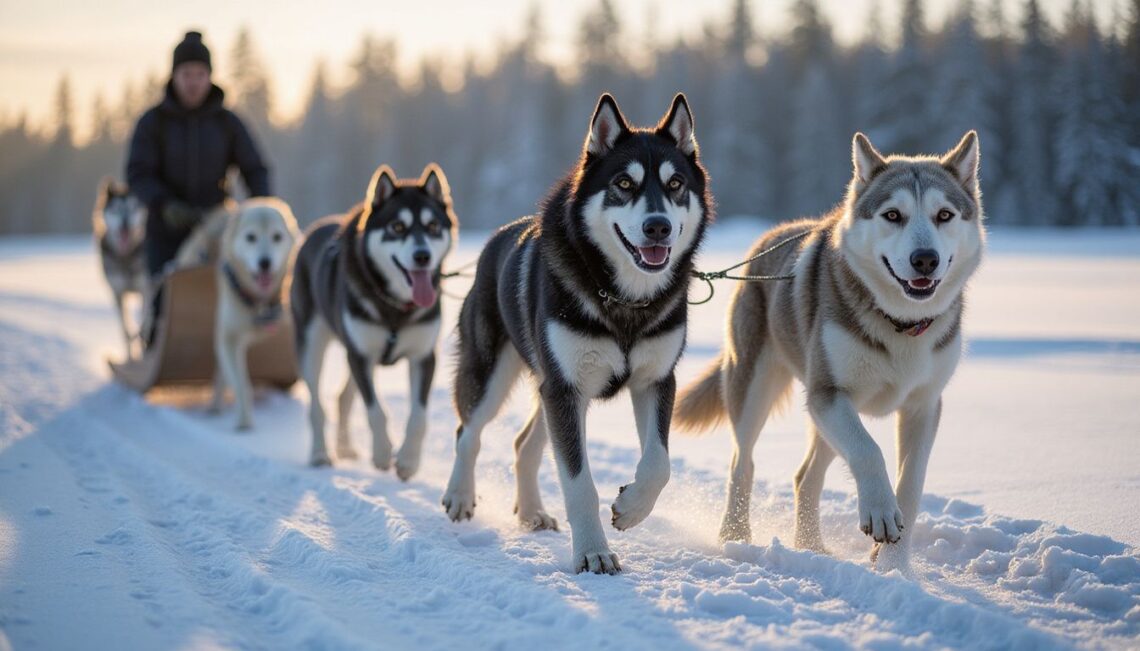
Have you ever wondered what breed of dogs take part in sled dog racing? Many people picture fluffy Siberian Huskies or strong Alaskan Malamutes pulling sleds across icy terrains. But sled dog breeds are far more varied than most realize.
Selecting the right dog for this demanding sport isn’t just about appearance; it’s about qualities like speed, stamina, and strength.
In history, sled dogs played an important role in survival for Arctic communities. Today, they stand out in exciting races like the Iditarod and Yukon Quest. This blog will introduce you to popular breeds used in these events and why they perform so well on snowy trails.
Ready to find out which pups lead the pack? Keep reading!
Key Takeaways
- Alaskan Huskies lead sled dog racing events like the Iditarod and Yukon Quest thanks to their speed, stamina, and flexibility. They are bred for high performance with breeds like Greyhounds and Border Collies.
- Siberian Huskies became well-known from the 1925 serum run. Togo led an incredible 264-mile trek, while Balto finished the final stretch to Nome, demonstrating endurance in extreme Arctic conditions.
- More powerful breeds like Alaskan Malamutes and Canadian Eskimo Dogs are known for hauling heavy loads in freezing environments. Malamutes once transported mail weighing up to 700 pounds during Alaska’s snowy past.
- Mixed breeds such as Eurohounds (Alaskan Husky x Pointers) excel in sprint races for their agility and impressive speed. Greysters combine the strength of German Shorthair Pointers with the lineage of Greyhounds.
- Sled dogs have qualities like endurance, strength, adaptability to cold climates, and friendly behavior. Historically, they played a key role in transporting supplies before machines replaced traditional dog sledding methods worldwide.

Primary Dog Breeds Used in Sled Dog Racing
Sled dog racing depends on breeds that excel in harsh winter conditions. These dogs bring together speed, strength, and endurance to guide the pack.
Alaskan Husky
Alaskan Huskies lead sled dog racing, including the Iditarod and Yukon Quest. These dogs are not a pure breed but a combination of husky, hound, Border Collie, and Irish Setter. Breeders prioritize speed, endurance, and adaptability over appearance.
Some Alaskan Huskies have Greyhound ancestry to improve sprinting ability.
They often have shorter fur and weigh less compared to Siberian Huskies. Their lean build enables them to run greater distances than any other land animal in their lifetime. Originating from Yukon River sled dogs in the mid-1800s, they are bred today to manage both severe cold and warming climates.
Siberian Husky
Siberian Huskies are known for their remarkable stamina and endurance. They are about 20 to 23.5 inches tall and weigh between 35 to 60 pounds, with females being slightly smaller than males.
Purebred Siberian Huskies originated in Siberia but became widely admired after being brought in for sled dog racing. Their thick double coats allow them to thrive in freezing climates while giving them a fluffy, larger appearance compared to Alaskan Huskies.
Balto and Togo established the breed’s reputation during the historic “serum run” of 1925. Balto led the final leg to Nome, Alaska, while Togo covered an impressive 264 miles earlier in the relay.
Smaller than Alaskan Malamutes, these dogs can pull more weight relative to their size; their role remains significant in influencing sled dog breeds used today.
Alaskan Malamute
Alaskan Malamutes stand out for their strength and size. Weighing 80 to 120 pounds, this breed is well-suited for hauling heavy loads instead of racing. In the late 1800s and early 1900s, mail carriers depended on them to transport up to 700 pounds of mail over snowy terrains in Alaska.
Known as freight dogs, they played a critical role in Arctic travel before machines took over.
During World War II, Malamutes assisted in patrolling icy regions with sled dog teams in Alaska. Their thick fur coats allowed them to thrive in freezing temperatures. Recognized by the American Kennel Club, these dogs remain appreciated for their endurance and strength.
Though slower than Siberian Huskies or Alaskan Huskies, their ability to carry substantial weight makes them essential in cold-climate work.
Canadian Eskimo Dog
Canadian Eskimo Dogs are known for their exceptional strength and resilience. These aboriginal Thule dogs can pull between 100 to 180 pounds over distances of 15 to 70 miles, even in the harshest Arctic conditions.
Their thick coats and adaptability allow them to perform well where other sled dog breeds may struggle. Historically, they played significant roles in tasks like mail delivery, freight hauling, and assisting Arctic explorers.
Nunavut declared this breed its official animal in 2000 to honor their cultural importance. Despite being critical to northern communities for centuries, Canadian Inuit Dogs face a shrinking population today.
By 2016, estimates indicated that Greenland had around 15,000 sled dogs including this enduring breed. With remarkable endurance as their key trait, these sledge dogs continue to play an essential role in traditional dog mushing in regions like the Yukon and beyond.
Other Breeds and Mixes in Sled Dog Racing
Some sled teams include rarer breeds and mixes with remarkable determination, stamina, and winter abilities—keep reading to discover these hardworking canines!
Samoyed
Samoyeds played a key role in early Antarctic expeditions, including missions from 1898 to 1911. These dogs, known for their thick double coats, handle Arctic temperatures with ease.
Males typically weigh between 45 and 65 pounds, while females range from 35 to 50 pounds. Their friendly nature and strong work ethic stand out in sled dog races today.
The AKC recognizes them as an official sled dog breed. With a shoulder height of about 19 to 23.5 inches, they often take part in shorter events rather than long-distance races. Though not as fast as Alaskan Huskies or Siberian Huskies, Samoyeds are highly effective at pulling heavy loads over icy terrain.
Early polar explorers relied on this breed for survival in harsh conditions.
Greenland Dog
Greenland Dogs have been a cornerstone of traditional Arctic life. These resilient sled dogs are bred for strength, endurance, and survival in extreme cold. As of 2016, their population declined to about 15,000 due to reducing sea ice, diseases, and the rise in snowmobile use.
Sirius Patrol relied on Greenland Dogs heavily from 1978 to 1998 for long polar trips averaging over 9,200 miles annually. They remain important for hunting and transportation in remote areas of Greenland.
Their sturdy build and thick coat make them well-suited for pulling sleds through icy terrain under harsh conditions.
Chinook
The Chinook, bred in the early 1900s, is one of the rarest sled dog breeds today. This medium-sized breed exhibits strength and endurance, making it suitable for hauling and recreational dog sled teams.
The American Kennel Club officially recognized Chinooks in 2013.
These dogs were developed by crossing Mastiff-type dogs with Greenland Huskies. They have a friendly temperament, which distinguishes them from other traditional sled dog breeds known for their high energy or intensity.
Their small numbers make finding a genuine working Chinook more challenging than spotting an Alaskan Husky in competition.
Pointer and Setter Mixes
Racers appreciate Pointer and Setter mixes for their speed and agility. Crossbreeding Alaskan Huskies with Pointer breeds resulted in the Eurohound, a favored sprint racer. Greysters, originating from Greyhounds and German Shorthair Pointers, excel in dryland races.
Scandinavian teams commonly choose German Shorthair Pointers for their stamina. In Norway during the 1970s, experts bred sled pointers for racing performance. Starting in 1985, mixed breeds were accepted in Norwegian competitions for mid-distance events.
Characteristics of a Good Sled Dog
A strong sled dog prospers in icy conditions and challenging landscapes. These dogs must possess traits that keep the team progressing regardless of the obstacle.
Speed
Dogs in sled races can reach speeds of 28 mph. Crossbreeds like Eurohounds and Greysters perform exceptionally in sprint racing due to their Greyhound or pointer ancestry. Scandinavian teams depend on small, fast packs for short races ranging between 15 and 30 km.
Events such as the World Championships highlight this focus on speed-driven breeding.
Mushers focus on hound-heavy genetics for quick bursts during competitive runs. Breeding has transitioned from traditional freight needs to emphasize speed in recreational racing. This change increases demand for faster crossbred dogs to lead shorter events.
Endurance
Sled dog breeds are known for their remarkable endurance. Alaskan and Siberian Huskies can travel farther in their lifetimes than any other land animal. During long-distance races like the Iditarod, teams cover 1,100 miles in just 10 to 11 days.
One notable example is Togo, a Siberian Husky who led his team for 264 miles during the famous 1925 serum run.
A high metabolism keeps these dogs lean but strong. Canadian Eskimo Dogs can pull up to 180 pounds over distances between 15 and 70 miles. Sirius Patrol teams in Greenland once averaged over 9,200 miles annually from 1978 to 1998 across challenging Arctic terrains.
Strength
Strong sled dogs can pull heavy loads through rough Arctic terrain. Freight breeds like the Alaskan Malamute and Canadian Eskimo Dog were bred for this purpose. These dogs often hauled 500–700 pounds of mail or supplies during harsh winters.
Their muscular build helps them move cargo over long distances.
Healthy feet are crucial for carrying weight on icy trails. Dogs used for heavy hauling, such as in the Klondike Gold Rush, needed to withstand demanding trips daily. Mail teams depended on eight to ten strong dogs to deliver supplies through snow-covered routes without fail.
Adaptability to Cold Climates
Sled dogs thrive in icy conditions thanks to their double-layered coats. The outer layer repels snow, while the inner layer insulates and traps body heat. Breeds like Alaskan Malamutes and Canadian Eskimo Dogs perform exceptionally well in freezing temperatures due to these natural defenses.
Their thick fur minimizes energy loss, keeping them warm during harsh Arctic nights.
Unique blood vessels protect their paws from frostbite even on frozen ground. While sleeping, they curl up tightly and use their bushy tails to shield sensitive noses and feet from biting winds.
Booties often prevent injury rather than address the cold because most sled dogs barely feel its effects. This natural resilience has developed over thousands of years for survival in unforgiving climates.
Famous Sled Dogs in History
Certain sled dogs left a lasting mark in frozen history. Their bravery and determination continue to inspire racers and dog enthusiasts today.
Balto
Balto, a Siberian Husky, became famous for leading the last team in the 1925 serum relay to Nome. The life-saving medicine traveled 700 miles from Nenana to fight a deadly diphtheria outbreak.
Twenty dog teams carried it through harsh weather and freezing temperatures in just six days.
Gunnar Kaasen drove Balto’s team during this heroic effort. Leonhard Seppala bred Balto, who demonstrated remarkable skill as a lead dog. A bronze statue of him stands proudly in Central Park, New York City.
His preserved body remains at the Cleveland Museum of Natural History since his passing in 1933.
Togo
Togo led his team across 264 miles during the 1925 serum run to Nome. Other sled teams covered just 31 miles each on average, making his endurance extraordinary. The relay to Nome relied heavily on Togo’s strength and determination in brutal arctic conditions.
In 2001, a statue of Togo was placed in Seward Park, New York City. His legacy continues through modern Siberian Huskies, as he contributed significantly to their genetics. Disney celebrated him in the 2019 film “Togo,” featuring Diesel, one of his descendants.
Taro and Jiro
In 1958, the Japanese Antarctic expedition faced a tragedy. They left 15 sled dogs behind due to harsh weather and lack of resources. Among those abandoned were Taro and Jiro, two determined Sakhalin Huskies native to Sakhalin Island.
Against all odds, only Taro and Jiro survived for a year in extreme conditions. Their perseverance amazed the world and turned them into national symbols of determination in Japan.
Their story inspired films like “Nankyoku Monogatari” (1983) and “Eight Below” (2006). Today, fewer than 20 Sakhalin Huskies exist worldwide. The tale of these dogs remains a strong reminder of sled dogs’ extraordinary adaptability during polar expeditions.
Regional Preferences for Sled Dog Breeds
Different regions prefer specific sled dog breeds depending on their climate and terrain. Local customs and responsibilities often have a major influence on these choices as well.
Alaska
Sled dogs play an important role in Alaska, especially in remote areas. Alaskan Huskies lead sled dog races like the Iditarod due to their speed and endurance. The ceremonial start of this 1,100-mile race begins in Anchorage every March.
It lasts about 10-11 days, testing both mushers and dogs.
Alaskan Malamutes once carried mail and freight across snowy trails. Planes replaced mail delivery via sleds by the early 1930s, but dogs remain important for transport in rural regions today.
The state’s warming climate affects traditional practices tied to sledding life in Alaska’s arctic zones.
Canada
Dog teams have been crucial to Canada for over 8,000 years. They served as the foundation of transportation across snowy areas long before snowmobiles existed. In 1901, the Yukon River dog trails started delivering mail in remote regions like the Yukon and Northwest Territories.
The Canadian Eskimo Dog, also called qimmiq in Inuit language, holds a special role here. Named Nunavut’s official animal in 2000, it thrives in harsh northern climates with cold winds and deep snow.
These sled dogs remain important for both traditional uses and recreational racing across Canada’s northern provinces today.
Scandinavia
Races in Scandinavia often feature small, speedy teams of around 14 dogs. These races usually cover short distances of 15 to 30 kilometers. After World War II, sled dog racing in the area changed focus to speed rather than endurance.
Alaskan Huskies became popular imports when Nome-style races started near Oslo in 1974.
The Norwegian Sled Dog Racing Association once required purebred dogs for competitions, favoring breeds like Siberian Huskies and Alaskan Malamutes. In 1985, mixed breeds entered the scene as rules changed.
This resulted in new combinations like Eurohounds and Greysters gaining popularity. Norway even created its own sled pointer breed during the 1970s for these fast-paced events.
Greenland
Sled dogs hold an important role in Greenland’s icy terrain. In 2010, there were about 18,000 sled dogs; by 2016, this number decreased to 15,000. Rising dog food costs and the spread of diseases are partly responsible for the decline.
Snowmobiles replacing traditional sleds have also affected their population.
Most Greenland Dogs live in eastern and western parts of the country. Sirius Patrol teams relied on them for covering impressive distances like 9,244 miles annually between 1978 and 1998.
These strong and tireless dogs remain essential for travel and hunting under extreme cold conditions. Their endurance ensures they continue as part of Greenland’s culture despite challenges today.
Challenges and Considerations in Breeding Sled Dogs
Breeding sled dogs involves more than matching strong, fast animals. It requires thoughtful consideration of health, behavior, and performance to create a team that excels in challenging environments.
Genetic Health
Sled dog breeders prioritize genetic health to keep their teams strong and resilient. They often match seasoned sled dogs with younger ones to ensure healthy genes are passed down and reduce the likelihood of inherited diseases.
Breeding programs focus on immune system health and disease resistance rather than appearance, distinguishing these working breeds from many show dogs.
The sled dog population in Russia experienced a sharp drop from 40,000 in the 1940s to only 3,000 by 1998. This decline affected genetic diversity and made cautious breeding even more important.
Climate changes also lead breeders to select traits that suit warmer conditions while preserving cold-weather adaptability. Indigenous sled dog types like Athabascan varieties have historically contributed valuable genetic variation.
Performance Traits
Dogs bred for sled racing need speed and endurance. Alaskan Huskies often exhibit these qualities, with some even having Greyhound lineage to improve performance. Long-distance races like the Iditarod Trail require dogs that can maintain a steady pace for hours across rough snow.
High caloric intake supports their energy needs during demanding treks.
Strong feet are essential in icy terrains. Dogs are chosen for durable paws that resist injuries on frozen trails. A thick coat is also important, shielding them from harsh Arctic winds and extreme cold common in places like Alaska or Greenland.
Beyond physical traits, behavioral ones matter too. Teams rely on dogs willing to work together and follow commands under pressure despite exhaustion or changing weather conditions.
Behavioral Traits
Sled dogs succeed in teams due to their sociable and self-assured temperaments. Hostile or unsociable behaviors make them unsuitable as dependable sled racers. Mushers depend on each dog’s unique personality to create balance within the group and preserve harmony during races like the Yukon Quest.
Each dog also needs to form a close relationship with its musher. This bond helps them respond promptly to commands such as “gee” (right) or “haw” (left). Dogs chosen for racing typically exhibit an innate motivation to run and work together in tough conditions, making them reliable companions on icy trails.
How to Get Involved with Sled Dog Racing
Start by reaching out to local sled dog teams or clubs. Go to a race to witness the determination and collaboration firsthand.
Volunteering with Teams
Local sled dog racing teams often need volunteers. Assisting may include feeding dogs, cleaning kennels, and getting them ready for training runs. Some teams also look for help during summer to keep the dogs active and socialized.
Volunteers might help with maintaining gear like sleds, runners, or booties before and after races.
Race events provide an interactive way to learn about dog sledding while helping competitors. Activities such as setting up checkpoints and providing support on race day are common opportunities.
Many clubs welcome community members who are interested in wilderness education programs connected to conservation efforts.
Attending Races and Events
Sled dog races like the Iditarod and Yukon Quest attract large audiences. The Iditarod spans 1,100 miles across Alaska, while the Yukon Quest is recognized for its intense challenges.
Both showcase stunning snowy scenery and remarkable collaboration between mushers and their dogs.
Many local kennels or racing clubs organize smaller events during winter. These allow chances to meet experienced racers or get acquainted with sled dog breeds like Alaskan Huskies up close.
Events often feature family-oriented activities such as educational talks or interactive demonstrations with sled dog teams.
Training Your Own Sled Dog
Start by teaching basic commands like “gee” for right turns and “haw” for left. Use short, clear phrases so the dog learns quickly. Practice “hike” to signal moving forward and “whoa” to stop.
Repetition and regular practice help dogs understand these cues faster.
Increase strength and stamina with regular runs. Begin on shorter trails before extending the distance over time. Join local sled dog clubs to gain tips from experienced mushers or train alongside practiced teams.
These groups often assist newcomers in learning effective methods while building a connection with their dogs over time.
Conclusion
Sled dog racing highlights the grit and loyalty of exceptional breeds. Alaskan Huskies lead races like the Iditarod and Yukon Quest with their extraordinary endurance. Siberian Huskies, Malamutes, and Canadian Eskimo Dogs provide strength and resilience for colder regions.
Each breed contributes distinct qualities suited to harsh conditions, from speed to handling icy trails. Whether watching a race or training your own team, sled dogs earn admiration for their determination.
Read more lifestyle and pet articles at ClichéMag.com
Images provided by Deposit Photos, BingAI, Adobe Stock, Unsplash, Pexels, Pixabay Freepik, & Creative Commons. Other images might be provided with permission by their respective copyright holders.