Last Updated on September 17, 2025 by Cliche
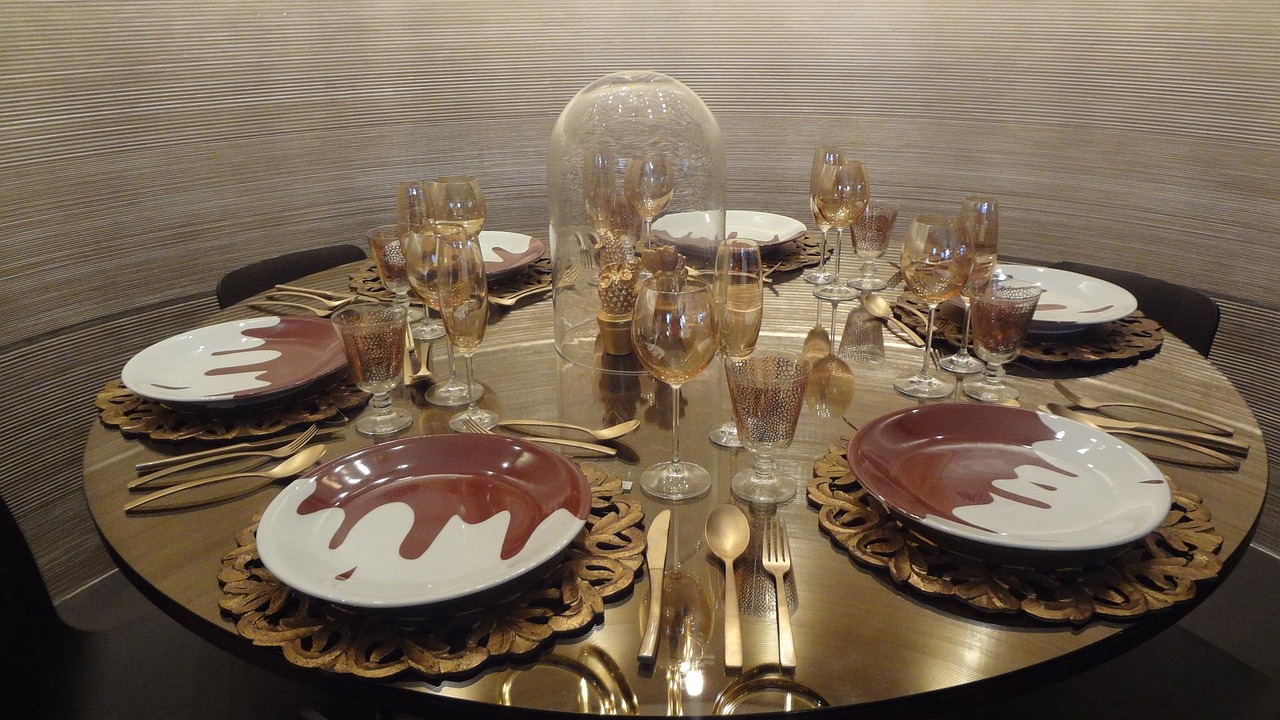
In table settings, Mix & Match is a fresh, trendy approach, especially popular for festive occasions and restaurant dinners. Here, flexibility is key: you consciously mix different dinnerware, fabrics, and décor pieces to build a unique, dynamic style. The idea is that you don’t set the table with just one collection—you bring in several. The effect is a lively play of styles. To spark inspiration, we’re sharing our collection of mix-and-match dinnerware ideas for your family feasts and everyday dinners.
Mix & Match: What It’s All About and How to Do It Right
It’s a concept loved by restaurants and households alike, where the focus is on expressing character and creating a dining setting that’s relaxed but stylish. This method is spot-on for parties, brunches, and holidays, ensuring every guest experiences a slightly different but harmonious look. And it works beautifully, because alongside delicious food, the table radiates a unique atmosphere and one-of-a-kind aesthetic.
Key techniques for mix and match:
- Create pairings of different colors and prints. This is the core starting step for the style. You might combine simple, solid plates with dessert plates featuring designs, or add vibrant chargers as accents. What matters most is that this approach makes the setting vivid and expressive, even with minimal elements. An example of such a combination is Queensberry Hunt’s pure white porcelain paired with decorative plates in different styles, like Ree Drummond’s Agatha Blue or Fiesta by Homer Laughlin.
- This concept often involves mixing different brands and collections. That means selecting a single palette while mixing items from various brands. For example, pure white Limoges Haviland plates can sit beautifully alongside pure white Meissen porcelain. Such a setup stands out most when it blends contrasts—different materials and cultural roots, like French classic style with German tradition. The important thing is to stick with a shared palette or recurring design detail so everything feels harmonious, not conflicting.
- Feel free to play with shapes. Blending different shapes ensures a one-of-a-kind dynamic look on the table. Pick classic round plates and match them with square or oval dinnerware. The idea is to step aside from classic symmetry and use shapes to design distinctive zones and a multi-layered look. By the way, this is quite an effective solution for many modern interiors as a decorative element. The contrast becomes especially vivid when blending AOOMI STUDIO, Hering Berlin, and Broste Copenhagen Nordic Sand.
Fresh Mix-and-Match Dinnerware Ideas
Based on the latest reviews from designers and dining room project developers, we’ve gathered the freshest and most original mix-and-match dinnerware ideas already working in practice. Feel free to apply them directly, since we’re giving you real examples with collections and brands—or just take them as inspiration. Here we go.
White Surfaces Combined with Color Accents
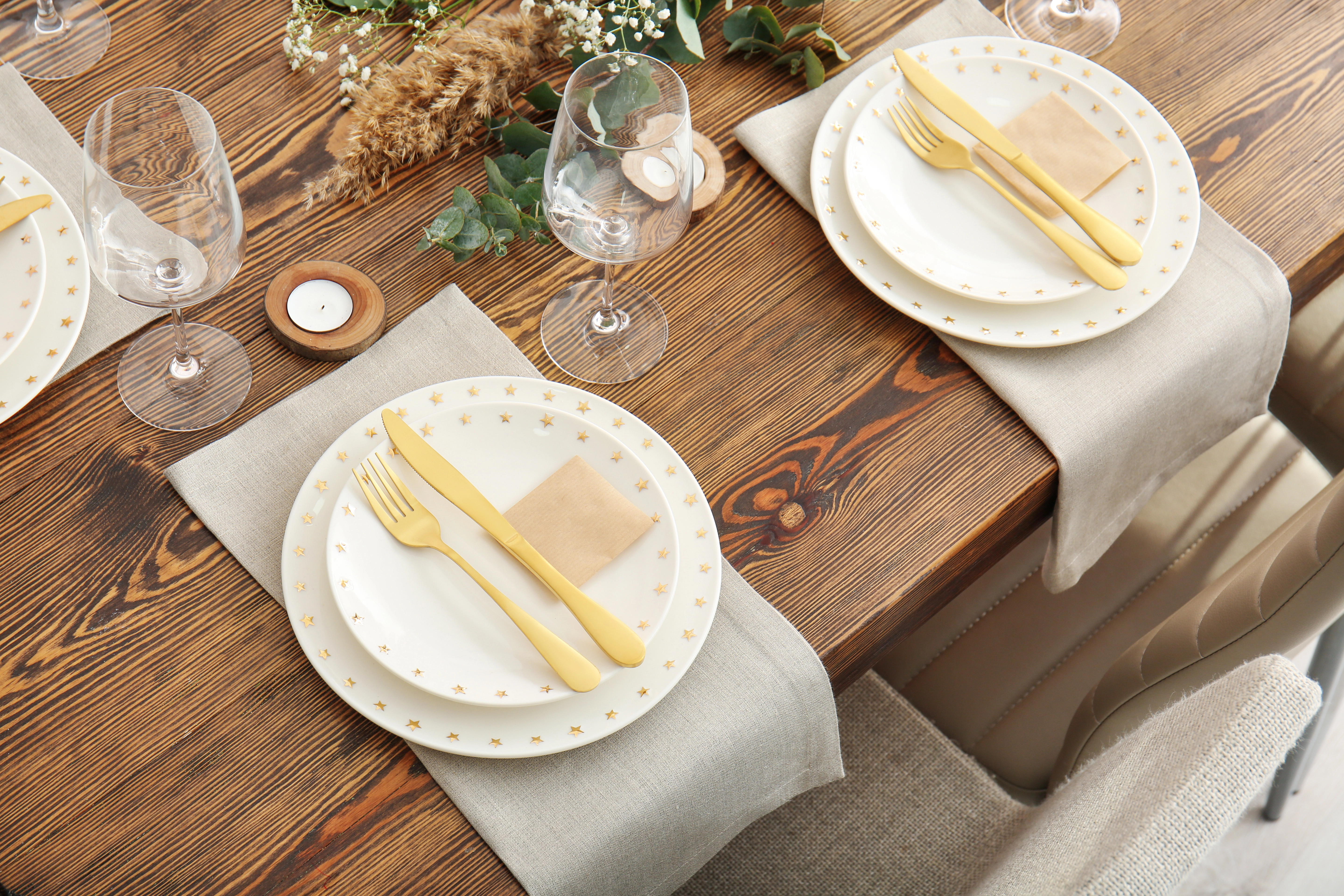
This has become one of the go-to methods. For a successful take, use Haviland Infini White as your porcelain foundation, then add lively chargers like Raynaud’s Minéraux with natural patterns or the eye-catching Oskar series with graphic flair. It feels elegant, fresh, and free of decorative overload. White porcelain, by the way, makes a perfect foundation for mix-and-match color schemes. What you get is a balanced look—the understated elegance of white sets off the colorful accents, giving the table more character.
Retro Plus Modern
The retro + modern concept can be effortlessly styled on your table through a mix of famous brands, each reflecting its own design era. Simply pick a brand known for historical patterns and combine it with dinnerware producers that lean toward a Scandinavian look. An illustration of this is Bernardaud Constance, traditional Limoges porcelain accented with a gold rim that brings aristocratic elegance and poise. Alongside it, add minimalist matte plates from Broste or Audo Copenhagen, showcasing Scandinavian design’s balance of simplicity and usability. Ultimately, your presentation becomes an elegant dialogue between timeless tradition and modern flair. Mention that any retro-inspired line adds status and a sense of legacy, while Scandinavian labels bring ease, practicality, and up-to-date appeal.
The Combination of Shapes
Another popular mix-and-match move is pairing plates of contrasting forms. This method in table design gives room to explore visual effects and spark different feelings. Ask any designer or architect—contrasts in form always energize a space. Applied to plating, they make presentations lively and imaginative, regardless of a neutral color base. This is, for instance, a smart way to refresh traditional interiors with a contemporary vibe. A stylish example is the Fluen Shifting Colors china collection by Fürstenberg matched with Villeroy & Boch’s NewWave square chargers, celebrated for their architectural dynamism. To create a softer, more graceful vibe, combine Vista Alegre’s Blue Ming oval platter with the classic Wedgwood Intaglio. Here we see elegance and fluidity at their best—an approach that works decoratively even without vivid colors. The presentation stays refined while looking modern and crisp.
The High–Low Blend
Among the newest styling moves at sophisticated events is the high–low mix. It’s built on luxurious collectible dinnerware, softened by neutral basics from the reliable core series.This method gives hosts a way to balance elegance and expenses with precision. Dinnerware is where the high–low style shines most, balancing elegant collectible designs with plain, neutral essentials. You might mix limited-edition Hermès Mosaique au 24 or Ginori 1735 Oriente Italiano with neutral essentials like Rosenthal Loft or Villeroy & Boch New Cottage. Another option is pairing Coralla Maiuri’s accent plates with their painterly hand-painted designs with the clean lines of Malacasa Elisa. For something more understated, pair Bernardaud Écume Gold, featuring its elegant gold relief, with the minimal M&S Bubble Plates. The high–low approach keeps costs sensible while giving the table individuality and flair.
What Else You Need to Know
To wrap up, remember that experimenting is always fruitful and fun, but only when kept within reason. Always test new styles in advance. This lets you polish every element and choose the composition that fits best.
If you want to nail the look, keep in mind that this approach is designed to give the table character. So no matter the occasion—dinner with friends, an art-inspired party, a birthday, or a themed event—your dining setting will be a hit.
Read more lifestyle articles at ClichéMag.com
Images provided by Deposit Photos, BingAI, Adobe Stock, Unsplash, Pexels, Pixabay Freepik, & Creative Commons. Other images might be provided with permission by their respective copyright holders.