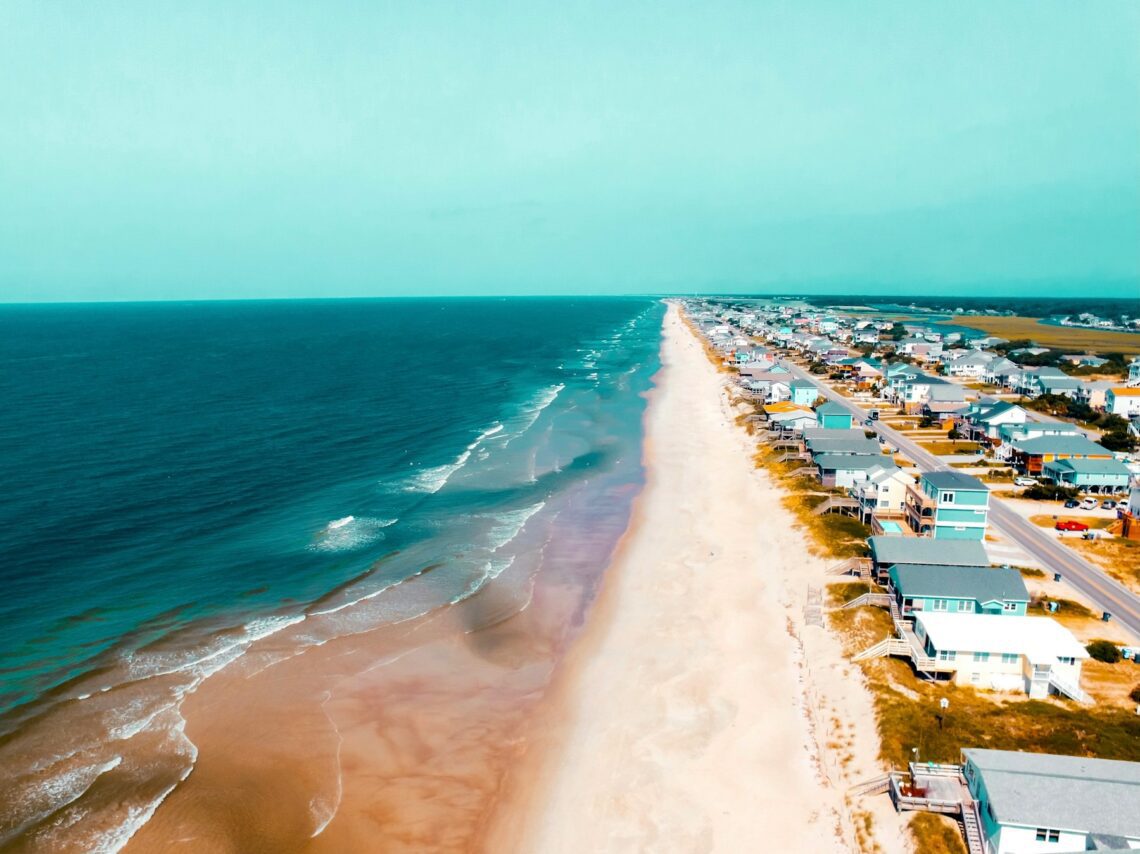

Planning a coastal getaway to the Tar Heel State? With over 300 miles of stunning Atlantic coastline, North Carolina offers an incredible variety of beach destinations. From the wild shores of the Outer Banks to the family-friendly strands near Wilmington, choosing the right beach can make or break your vacation. This guide will help you navigate your options and find the perfect sandy escape for your next trip.
Consider Your Travel Style and Priorities
Before you start booking accommodations, take a moment to think about what kind of beach experience you’re seeking. Are you looking for a quiet retreat where you can disconnect from the world, or do you prefer a lively atmosphere with restaurants and entertainment within walking distance?
Some travelers prioritize pristine natural settings and don’t mind driving a bit for dining options. Others want the convenience of beachfront resorts with all the amenities right at their fingertips. Understanding your preferences will immediately narrow down your choices and save you hours of research.
If you’re traveling with children, you’ll want to factor in kid-friendly activities, gentle waves, and nearby attractions. Couples might prioritize romantic settings and upscale dining, while adventure seekers will want access to water sports and outdoor activities.
Evaluate Beach Accessibility and Crowds
North Carolina’s beaches vary dramatically in terms of how easy they are to reach and how crowded they get during peak season. The northern Outer Banks require driving through multiple small towns and sometimes over long bridges, but this remoteness keeps crowds manageable even in summer.
Meanwhile, beaches near Wilmington like Wrightsville Beach and Carolina Beach are easily accessible from Interstate 40, making them popular weekend destinations. This convenience comes with a trade-off: expect packed parking lots and crowded shorelines during summer weekends and holidays.
If you’re visiting during peak season and want to avoid crowds, consider lesser-known gems like Emerald Isle or Topsail Island. These destinations offer beautiful beaches without the overwhelming tourist presence of more famous spots.
Match Your Beach to Your Activity Interests
Different North Carolina beaches excel at different activities, so matching your destination to your interests is crucial. The Outer Banks are legendary for water sports, particularly kiteboarding and surfing, thanks to consistent winds and quality waves.
If fishing is your passion, piers dot the coastline from Nags Head to Sunset Beach, each offering unique opportunities to catch everything from Spanish mackerel to king mackerel. Many beaches also provide excellent surf fishing right from the shore.
For history buffs, some beaches offer more than just sand and surf. The Cape Hatteras area provides access to historic lighthouses and shipwreck sites, while Fort Fisher near Kure Beach combines beach time with Civil War history. Wildlife enthusiasts should consider beaches near protected areas where sea turtles nest and wild horses roam.
Factor in Your Budget
Your vacation budget will significantly influence which beach destination works best for you. The most popular and developed beaches typically command premium prices for accommodations, dining, and activities. Nags Head and Wrightsville Beach, for instance, can be quite expensive during peak season.
More affordable options exist if you’re willing to sacrifice some convenience or trendiness. Oak Island and Sunset Beach on the southern coast offer excellent value with lower accommodation costs and plenty of free or low-cost activities.
Consider the total cost of your trip, including gas, tolls, and parking fees. Some beaches charge for parking while others offer free access. Vacation rental homes can be more economical than hotels for families or groups, especially when you factor in the ability to cook your own meals.
Research Seasonal Considerations
Timing your visit can dramatically affect your beach experience. Summer brings warm water temperatures and long days but also peak crowds and prices. Many savvy travelers prefer visiting in late May or early September when the weather remains beautiful but crowds thin out considerably.
Hurricane season runs from June through November, with peak activity in August and September. While major storms are relatively rare, they can disrupt travel plans. Spring and fall offer mild temperatures perfect for beach walks and outdoor activities, though swimming might be chilly.
Winter visits appeal to those seeking solitude and dramatic coastal scenery. While swimming is out of the question, winter beach walks offer a peaceful alternative, and accommodation rates drop significantly.
Making Your Final Decision
Choosing among the best beaches in North Carolina ultimately comes down to balancing your priorities, budget, and travel dates. Create a shortlist of two or three destinations that meet your main criteria, then dive deeper into researching specific accommodations and local attractions.
Read recent reviews from travelers with similar interests and travel styles. Check webcams to get a real-time sense of what each beach looks like. Don’t hesitate to contact local tourism offices with specific questions about accessibility, family-friendliness, or current conditions.
With thoughtful planning and realistic expectations, you’ll find the perfect North Carolina beach for an unforgettable coastal adventure. The state’s diverse shoreline ensures there’s an ideal spot waiting for every type of beach lover.
Read more lifestyle and travel articles at ClichéMag.com
Images provided by Deposit Photos, BingAI, Adobe Stock, Unsplash, Pexels, Pixabay Freepik, & Creative Commons. Other images might be provided with permission by their respective copyright holders.