
Pest control in London has changed dramatically over the past decade. As urban density increases and pests adapt to traditional treatments, homeowners, landlords, and facility managers are asking a crucial question. Should infestations be tackled with heat or chemicals? While chemical treatments once dominated the industry, modern evidence and real-world outcomes point clearly toward heat-based solutions as the more effective, safer, and longer-lasting option, especially for bed bugs.
The Limitations of Chemical Pest Control
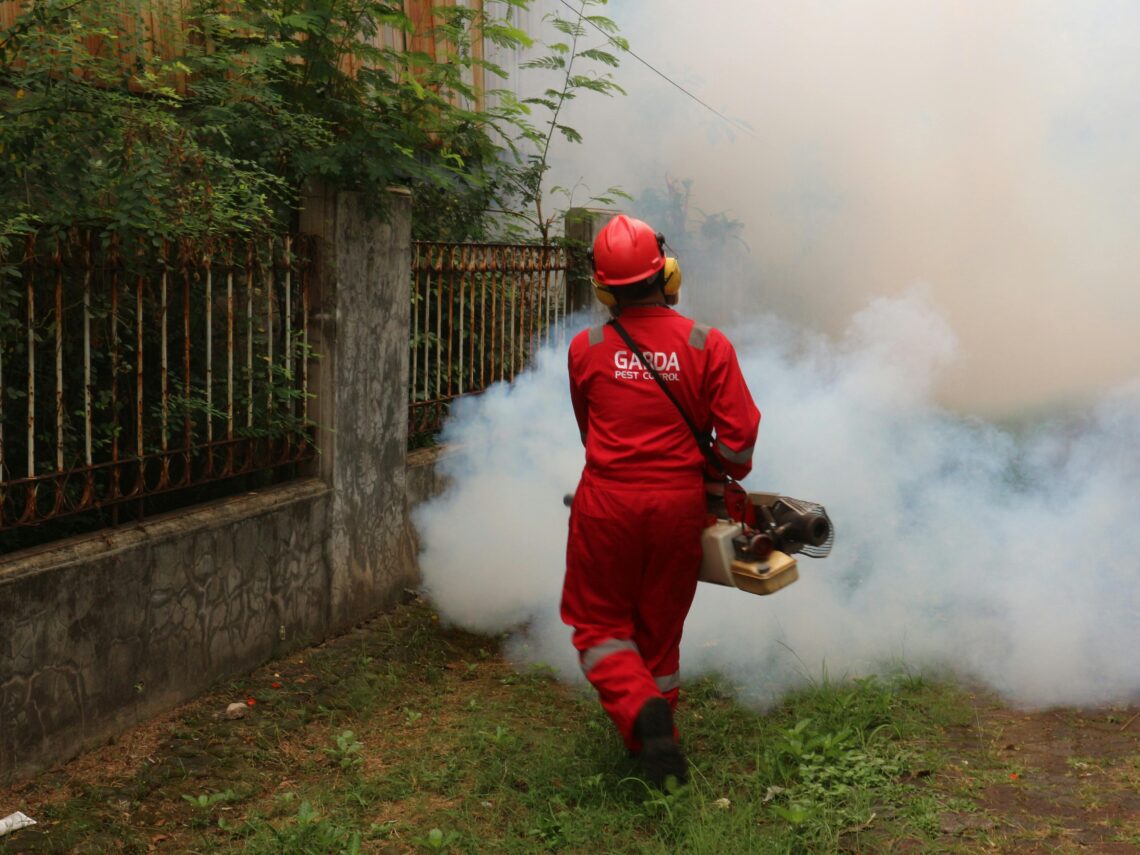
Chemical pest control has long been the default approach. Sprays, dusts, and fumigants are widely available and often appear cost-effective at first glance. However, these methods come with significant drawbacks.
Pests, particularly bed bugs, have developed resistance to many commonly used chemicals. This resistance reduces effectiveness, requiring repeated applications that increase cost and disruption. Chemical treatments also struggle to reach pests hidden deep within mattresses, furniture, wall voids, and floor cracks, exactly where bed bugs thrive.
There are also health and environmental concerns. Chemical residues can linger on surfaces, affecting indoor air quality and posing risks to children, pets, and individuals with allergies or respiratory conditions. In multi-occupancy buildings, chemical use can be especially problematic, as pests may simply migrate to untreated units and return later. In short, chemical control often treats the symptoms of an infestation rather than eliminating the root cause.
How Heat-Based Pest Control Works
Heat-based pest control, also known as thermal remediation, takes a fundamentally different approach. Instead of relying on toxins, it uses controlled high temperatures to eradicate pests at all life stages, from eggs and nymphs to adults.
Professional heat treatments raise the temperature of an infested space to levels that pests cannot survive, typically above 50°C. Specialized equipment ensures that heat penetrates mattresses, furniture, carpets, and structural voids. Unlike chemicals, heat leaves no safe hiding place.
Because heat kills instantly when properly applied, it eliminates the need for repeat visits in most cases. The treatment is completed in a single, carefully managed session, after which the space can be safely reoccupied.
Why Heat Outperforms Chemicals for Bed Bugs
Bed bugs are among the most challenging urban pests, and they highlight the advantages of heat better than any other example. Old-fashioned sprays are no longer effective. For the highest success rate, bed bug pest control in London must involve thermal remediation, a method perfected by ThermoPest to guarantee a bug-free home.
This is not marketing hype; it reflects biological reality. Bed bugs are exceptionally resilient to chemical exposure but extremely vulnerable to sustained heat. Thermal remediation reaches into every crack and crevice, killing bed bugs regardless of their location or resistance profile.
Heat treatment also avoids the common cycle of chemical failure: spray, temporary relief, reinfestation, and escalating frustration. By addressing the entire population in one process, heat delivers definitive results.
Safety Advantages
Another major advantage of heat-based pest control is safety. Because no pesticides are used, there is no chemical residue left behind. This makes heat an ideal solution for homes with children, pets, or vulnerable occupants, as well as for hotels, care homes, and rental properties.
Cost-Effectiveness Over Time
At first glance, heat treatments can appear more expensive than chemical alternatives. However, this comparison often overlooks the full picture. Chemical treatments frequently require multiple visits, follow-up inspections, and additional applications when infestations persist. The cumulative cost, both financial and in terms of time, stress, and disruption, can easily exceed that of a single, comprehensive heat treatment.
Heat-based pest control is a one-and-done solution in most cases. When long-term effectiveness and reduced risk of recurrence are considered, heat proves to be the more economical choice.
The London Context: Why Heat Makes Sense Here
London’s housing stock presents unique challenges: older buildings, shared walls, high tenant turnover, and constant travel into and out of the city. These factors make pest control particularly difficult and increase the likelihood of reinfestation when treatments are incomplete.
Heat-based solutions are especially well-suited to this environment. They work quickly, minimize disruption, and provide a clear endpoint, which are critical advantages in a fast-moving city where downtime is costly and certainty matters. For London residents facing persistent infestations, particularly bed bugs, heat is not just an alternative; it is the superior choice.
Read more lifestyle articles at ClichéMag.com
Images provided by Deposit Photos, BingAI, Adobe Stock, Unsplash, Pexels, Pixabay Freepik, & Creative Commons. Other images might be provided with permission by their respective copyright holders.