Creating a sustainable home often brings to mind grand gestures like installing solar panels or buying a new electric vehicle. While these are impactful, true sustainability is often found in the quieter, less obvious choices we make every day. It’s a holistic approach that blends mindful consumption with smart maintenance, transforming your living space into an eco-friendly haven through strategies you may not have considered. The most effective green home is one that wastes nothing—not energy, not water, and certainly not its existing appliances.
Embrace the Art of the “Second Life”
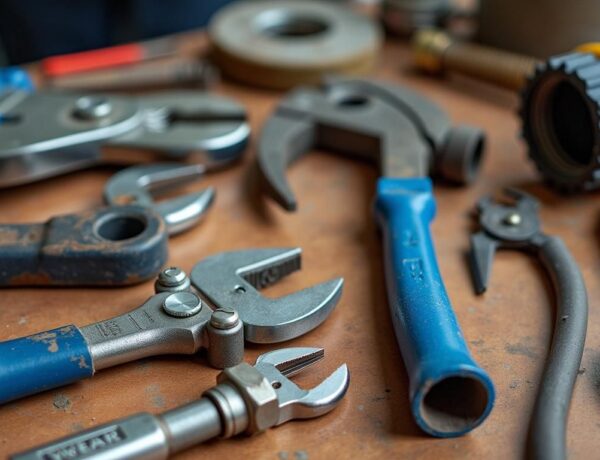
Before you replace a broken item, pause. Our culture often defaults to disposal, but the most sustainable product is the one you already own. This is especially true for major appliances. A refrigerator that’s not cooling properly or a washing machine that has stopped spinning doesn’t automatically belong on the curb. Often, these issues are fixable by a professional. Seeking a diagnostic from a local service like appliance repair in Santa Clarita can breathe years of new life into a machine, preventing it from becoming landfill waste and saving the immense energy required to manufacture and ship a new unit. Choosing to repair supports both environmental and community goals; it keeps the process green by reducing electronic waste and supports the local economy by sustaining skilled jobs within your community. This simple act of repair is a powerful, yet underutilized, form of environmentalism and local investment.
Master the Low-Flow Upgrade
Water conservation is a pillar of sustainability, but it goes far beyond taking shorter showers. An often-overlooked secret is the impact of integrating low-flow technology throughout your home. Installing aerators on kitchen and bathroom faucets, a low-flow showerhead, and even a dual-flush toilet converter kit can slash your household water usage by hundreds of gallons a month with no noticeable difference in water pressure. This reduces strain on municipal water systems and lowers the energy needed to heat that water, making it a double win for the planet and your utility bills.
Harness the Power of “Grey” and “Green”
Two of the most effective sustainable practices are also the most discreet: composting and harvesting rainwater. Setting up a simple compost bin for food scraps diverts organic waste from landfills, where it would release methane, a potent greenhouse gas. Instead, it creates nutrient-rich soil for your garden. Similarly, installing a rain barrel at the bottom of a downspout collects water for irrigating plants. This not only conserves treated drinking water but also provides your garden with soft, unchlorinated water that plants thrive on. These systems work silently in the background, turning waste into resource and rainfall into bounty.
Become an Energy Vampire Slayer
A hidden drain on both energy and money is “phantom load”—the power electronics and appliances draw even when they’re turned off. This can account for nearly 10% of your annual electricity bill. The simple secret? Use advanced power strips that automatically cut power to devices in standby mode, or make a habit of unplugging chargers, small kitchen appliances, and entertainment systems when not in use. This effortless habit requires no financial investment yet significantly reduces your carbon footprint and monthly expenses.
Cultivate a Conscious Kitchen
The kitchen is the heart of the home and a hub for sustainable activity. Beyond using reusable bags and containers, consider the power of plant-based meals. Reducing meat consumption, particularly beef, just one or two days a week can have a substantial impact on your personal carbon footprint due to the significant resources required for livestock production. Furthermore, shopping locally and in bulk using your own containers minimizes packaging waste and the greenhouse gases emitted from long-distance food transportation. Washing full loads of laundry in cold water saves about 90% of the energy used per load, proving sustainability is deeply connected to how we use the appliances we already have.
Ultimately, building a sustainable home isn’t about perfection; it’s about progress. It’s the cumulative effect of many small, intelligent choices—from repairing what we have to conserving what we use. By adopting these best-kept secrets, you create a home that is not only kinder to the environment but also healthier, more efficient, and more economical to live in.
Read more home improvement articles at ClichéMag.com
Images provided by Deposit Photos, BingAI, Adobe Stock, Unsplash, Pexels, Pixabay Freepik, & Creative Commons. Other images might be provided with permission by their respective copyright holders.