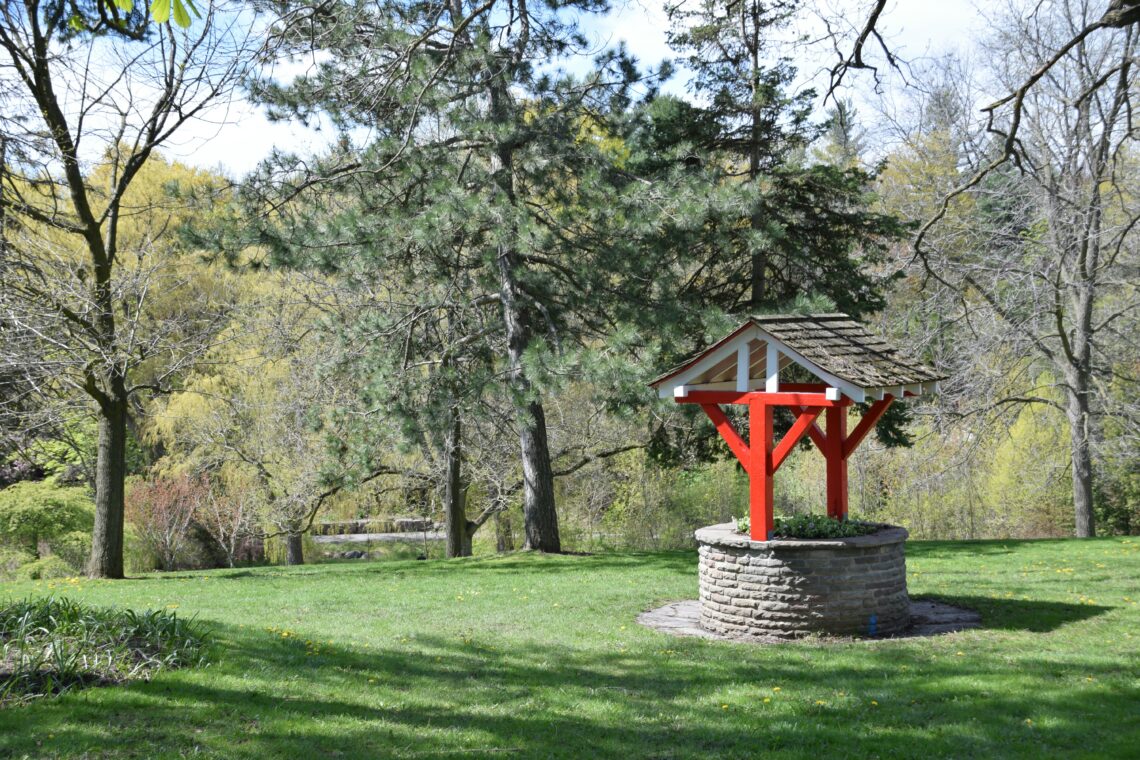

Installing a water well might sound simple until you consider all of the additional factors in play. There’s drilling, permitting, equipment and multiple decisions made in the beginning that will impact system function for years to come. Unfortunately, most inexperienced homeowners learn about the many variables needed for ideal well installation mid-process instead of before everything begins.
The good news is that once a well is installed properly, it can have decades of low-maintenance access to water. The bad news is that properly means one must consider one’s land, water needs and systems to ensure everything works together. Here’s what really matters before someone puts a drill bit in the ground.
The Depth of Your Property’s Water Table
The water table is the level below which soil and rock are filled with groundwater. Depending upon the property, people need to drill deeper or not so deep. This matters for determining the system that makes sense (and a greater cost of drilling when required).
Researching how deep the average household wells are in the area provides a good starting point for property assessment. In the best case, homeowners can reference old well records from their neighbors. In a less certain situation, a geological survey may help pinpoint aquifers; however, most residential situations do not need this level of investigation.
The reality is that water tables fluctuate by season and weather patterns. A well that provides adequate access in spring may not provide enough during hot summer months if it is not deep enough. Most professionals who have drilled wells in the area will go below average water depth for seasonal change fluctuation.
Shallow vs Deep Well Systems
Wells are generally categorized into shallow and deep systems based on their overall depth. Wells are considered shallow if they are approximately 25 feet deep or less. Wells are considered deep if they’re much deeper than that. The differences extend beyond depth to the rest of the pump system and how they share water.
For example, if a property has a high water table, it makes sense to install a shallow water well. The installation is easier and potentially a lot cheaper up front. Shallow wells utilize surface mounted pumps that pull water up from ground level through suction. This means the equipment is accessible above ground and doesn’t require extra repair efforts at significant depths.
Deep wells utilize submersible pumps that sit at the bottom of the casings in holes drilled deeper than 25 feet. The systems push water out instead of sucking it up, which requires more horsepower and more power for installation and accessing parts once it has been drilled down potentially hundreds of feet.
Water Quality and Testing Requirements
Just because there’s a water table beneath an owner’s property does not mean it’s safe to use. Many municipalities require water quality testing before allowing a well to be permitted for household use. Testing determines whether or not there is bacteria, minerals and contaminants in play that might harm residents, their health or plumbing systems.
For example, iron content (which stains tub/shower fixtures), hard water, sulfur (rotten egg smell) and more can be common issues; occasionally areas see worse contaminants like arsenic or nitrates. These can all be treated to an extent with filtration systems, but it’s best to know this before putting a lot of effort into installation.
Testing is vital because neighborhood can fluctuate on a block by block basis. One neighbor can have totally clean water while the next has to deal with hard water buildup. Therefore, testing is non-negotiable; assuming something about water quality only leads to expensive mistakes post-settlement.
Permits, Regulations and Local Requirements
Most places require drilling permits before someone can start digging into the ground. This isn’t an effort to create more bureaucratic red tape, it allows wells to be drilled in certain locations at certain depths with certain casings to prevent issues with drinking water, provided each municipality has its own regulations.
For example, certain municipalities require wells to be set back a specified distance from septic systems, property boundaries or structures. Other municipalities specify how many wells can be drilled in one area (to prevent shared aquifers from being overdrawn). Urban and suburban lots tend to have stricter laws than rural land does.
Permitting requires plans to be drawn up, fees submitted and various inspections at different stages along the way. While it may seem beneficial to skip an unnecessary fee, this causes legal problems should sellers want to sell their homes down the line or if something is wrong with installation. Most reputable companies who install wells do permitting as part of their initial services.
Calculating Your Water Needs
Wells must be powerful enough to sustain household needs as well as any outdoor irrigation or watering plans. This isn’t just about gallons needed per day, this is about assessing if this well can recharge enough to meet intense demand.
A typical family needs 300-400 gallons per day but this does not mean they need 300-400 gallons instantly from their well. Wells have recovery rates, which is how quickly a well can replace what was taken out once it’s pumped back into the ground for replenishment. A well that provides 5 gallons per minute can ideally stock 7,200 gallons per day provided that is how fast it can dig down to refill.
This becomes complicated when there are multiple uses at once, a shower running while sprinklers go on while the dishwasher fills with hot water. This requires either a super fast recovery rate or an intermediary tank that absorbs excess demand from intensive systems simultaneously at one time to lessen strain on the pump. Most residential systems have pressure tanks that stabilize access and decrease how often a pump turns on or off.
Installation Costs and Hidden Expenses
Drilling costs differ based on depth, geology and location. A shallow well drilled in easy soil might cost several thousand dollars out of pocket while a deep well drilled in rocky terrain could easily cost tens of thousands. Most charge price per foot of installation drilled.
But this isn’t all there is to drilling costs. Factors like pump (a few hundred to several thousand dollars), pressure tanks, controls, electrical work and trenching to connect everything count as additional costs where applicable. In addition, should testing show issues, add filtration systems into the final budget as well as potential booster pumps if the house sits far away from easy access.
Where things get expensive are during unexpected issues while drilling; hitting rock layers requires additional drill bits that take time and labor hours. Hitting many aquifers requires additional time and materials to find adequate levels of flow. These occurrences can’t always be predicted which is why estimates are usually given ranges versus specific amounts.
Maintenance and Long-Term Considerations
Wells require minimal attention but it’s incorrect to say they require no maintenance at all. Pumps wear out, submersible pumps last anywhere from 8-15 years depending upon usage and water quality. Pressure tanks need assessing; casings should be looked into periodically for disrepair or compromise.
Annual testing of wells is also recommended despite initial positive results from labs; aquifer conditions change; it’s not uncommon for contaminants to present themselves in years worth of time.
Health departments recommend bacteria tests annually and comprehensive tests every few years.
Another consideration involves what happens when something malfunctions, well services tend to need specialized treatment and precautionary measures. Finding a local company before disaster strikes saves time and money when problems eventually arise.
Deciding Whether Wells Are Right for You
Installing a well is an expensive venture, but for many properties it’s the best or only option for adequate access to water within your control. The key is going in with realistic expectations about costs, time frames and what such a system can actually provide.
In particular, properties located in high cost municipal areas, for those without access to city water, see return on their investment faster than those with city access for any meaningful landscaping or outdoor watering endeavors. Even those with city access find value in adding an additional well for irrigation specifically (to avoid exorbitant summer water bills).
The worst mistakes happen when homeowners rush through the process or select cheap installers based solely upon price without understanding specific recommendations towards experience, proper materials and a legitimate understanding of local regulations.
Well installation requires finesse; taking care to recognize what your property needs versus what accommodates quickly makes the difference between an efficient system usable for decades or one that becomes a persistent headache.
Read more home and garden articles at ClichéMag.com
Images provided by Deposit Photos, BingAI, Adobe Stock, Unsplash, Pexels, Pixabay Freepik, & Creative Commons. Other images might be provided with permission by their respective copyright holders.