
The places people live in, end up shaping how they think and feel while moving through each day. Comfort isn’t just about having soft furniture or warm lighting around, it connects way deeper to psychology and memory along with having some sense of control over surroundings. When a space feels right to someone, it supports getting rest and staying focused plus keeping emotional balance without demanding constant attention all the time. Designing a home that someone truly loves living in means understanding how the mind responds to its surroundings and shaping those surroundings with real intention behind every choice. Comfort grows naturally from alignment between physical space and emotional needs, creating an environment that feels supportive rather than demanding or draining.
A comfortable home offers quiet reassurance throughout the entire day. It allows the mind to slow down naturally and the body to release all that built up tension from stress. This happens when design choices respect human behavior and natural rhythms along with personal meaning that matters. Every single room carries emotional weight whether it serves as a place of privacy or connection or renewal.
Personal Care Spaces Matter for Emotional Comfort
Personal care spaces carry a unique psychological role because they tie directly to daily rituals and private moments people need. These areas influence how the entire day begins and ends, shaping mood and self-perception in ways people don’t always realize. When these spaces feel balanced and welcoming, they encourage taking care without adding pressure or stress.
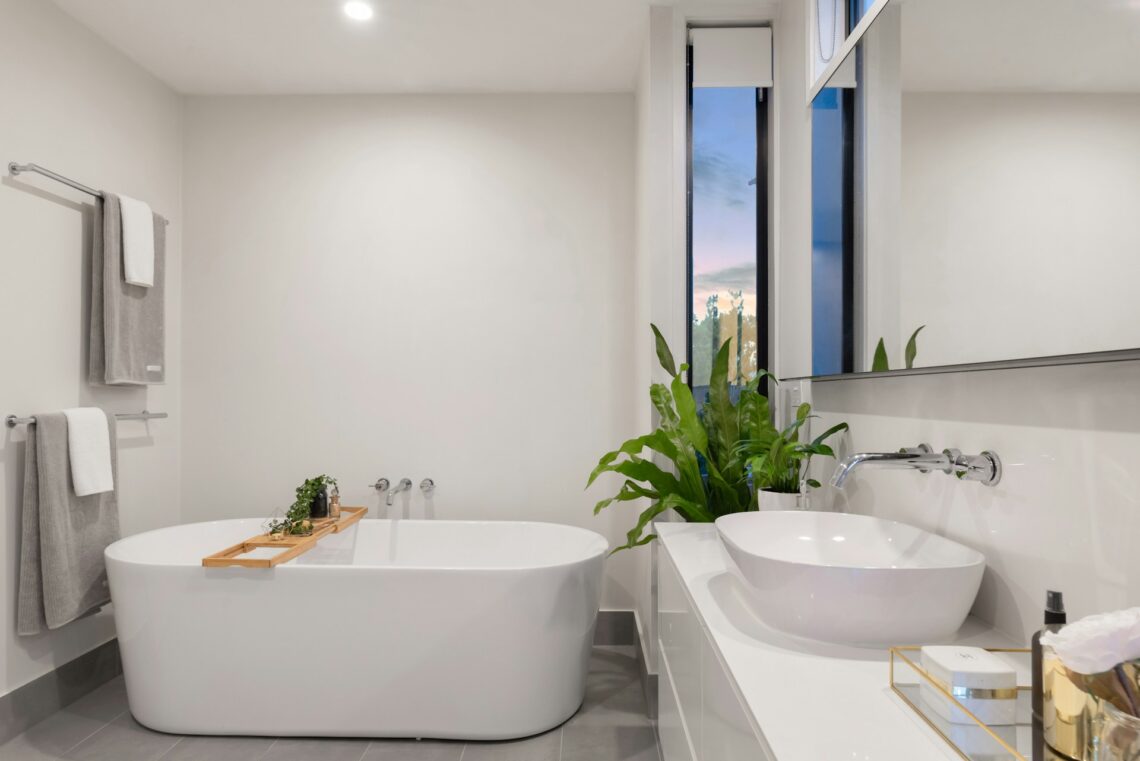
A clear example shows up in how most homeowners choose to revamp their bathrooms to create this sense of openness where they can move freely and slow down while reconnecting with themselves at the start or close of each day. Thoughtful bathroom remodeling encompasses an improved layout that makes sense and gentle lighting, along with creating a calmer atmosphere that supports ease without calling attention to the design itself constantly. When a room feels intuitive to use, the mind relaxes because it doesn’t need to problem-solve every little thing.
The psychology behind comfort in these specific spaces comes from predictability and softness combined together. When movements feel natural, and the environment feels clean and calm, the brain starts associating the space with relief from stress. Over time, this relief becomes really familiar, building quiet trust in the environment gradually. The result isn’t excitement or thrill but steadiness. That steadiness allows people to feel grounded and emotionally secure during moments meant specifically for care and reflection.
Light Changes How People Feel Throughout the Day
Light plays a surprisingly powerful role in emotional comfort because it directly affects perception and energy levels throughout every single day. Natural light tends to create this sense of openness and safety that artificial light struggles to match. It helps the mind stay alert while remaining calm at the same time, somehow. When light enters a room in a balanced way, it reduces strain on the eyes and encourages a feeling of connection to time and natural rhythm.
Artificial light also influences comfort significantly when people use it with care and thought. Soft lighting supports relaxation in the evening, while harsh lighting can trigger restlessness and irritation. The key is finding balance. A comfortable space allows light to change throughout the day naturally, supporting different needs without overwhelming the senses constantly.
Color Affects Emotions in Quiet Ways
Color affects emotions in quiet but lasting ways that people don’t always notice consciously at first. Certain tones create warmth and security feelings, while others promote clarity and calm states. The mind reacts to color before it even processes form or texture details. This makes color a powerful tool for shaping comfort in any space.
A comfortable space often uses colors that feel grounded and steady rather than bold. These colors don’t shout or compete for attention aggressively. They create a backdrop that allows the mind to settle naturally without effort.
How Rooms Flow Affects Mental Clarity Daily
The way a space flows affects how the mind moves within it throughout every single day. When rooms feel crowded or confusing to navigate, the brain works way harder to figure things out. This constant effort can lead to fatigue and irritation building up slowly over time. Comfort grows when movement feels natural and uninterrupted.
Clear pathways and a thoughtful layout reduce mental load significantly on the brain. The brain appreciates environments that make sense logically. When a space supports natural movement patterns, it encourages calm and focus automatically.
Familiarity Creates Real Lasting Comfort
Comfort ties deeply to familiarity in ways people don’t always recognize consciously. Spaces that reflect personal history and values feel safer emotionally because they tell a story the mind recognizes and connects with. Personal objects and meaningful arrangements anchor the space emotionally.
The psychology behind this lies in identity and self-recognition. When a home reflects who someone actually is, it reinforces a sense of self consistently. This reinforcement creates emotional stability over time. The space becomes a mirror rather than a mask, hiding who they are.
Sound Shapes How Calm Feels in Spaces
Sound shapes comfort as much as sight and touch do throughout the day. A space that manages sound well feels more peaceful naturally. Excess noise can create stress and tension, while balanced sound supports relaxation and calm.
Soft surfaces and thoughtful layout can reduce harsh echoes significantly. When sound feels controlled, the nervous system relaxes automatically. The brain interprets quiet or gentle sounds as safety instinctively. This interpretation supports comfort on a deep psychological level.
Comfort Shows Up Every Single Day
True comfort isn’t dramatic or flashy at all. It’s steady and reliable consistently. It shows up in small moments when the environment supports rather than challenges people. The psychology of comfort lies in reducing friction and increasing emotional safety throughout spaces.
Designing spaces people love living in means listening carefully to how the body and mind respond. It means choosing elements that feel right rather than impressive to others. Comfort grows when design decisions respect human needs and personal rhythms naturally.
Read more home decor articles at ClichéMag.com
Images provided by Deposit Photos, BingAI, Adobe Stock, Unsplash, Pexels, Pixabay Freepik, & Creative Commons. Other images might be provided with permission by their respective copyright holders.