
Do you ever lie in bed, staring at the ceiling, feeling too hungry to fall asleep? Late-night hunger can be a real pain. But grabbing the wrong snack might leave you tossing and turning all night. Too much sugar or greasy food before bedtime could mess with both your sleep and health.
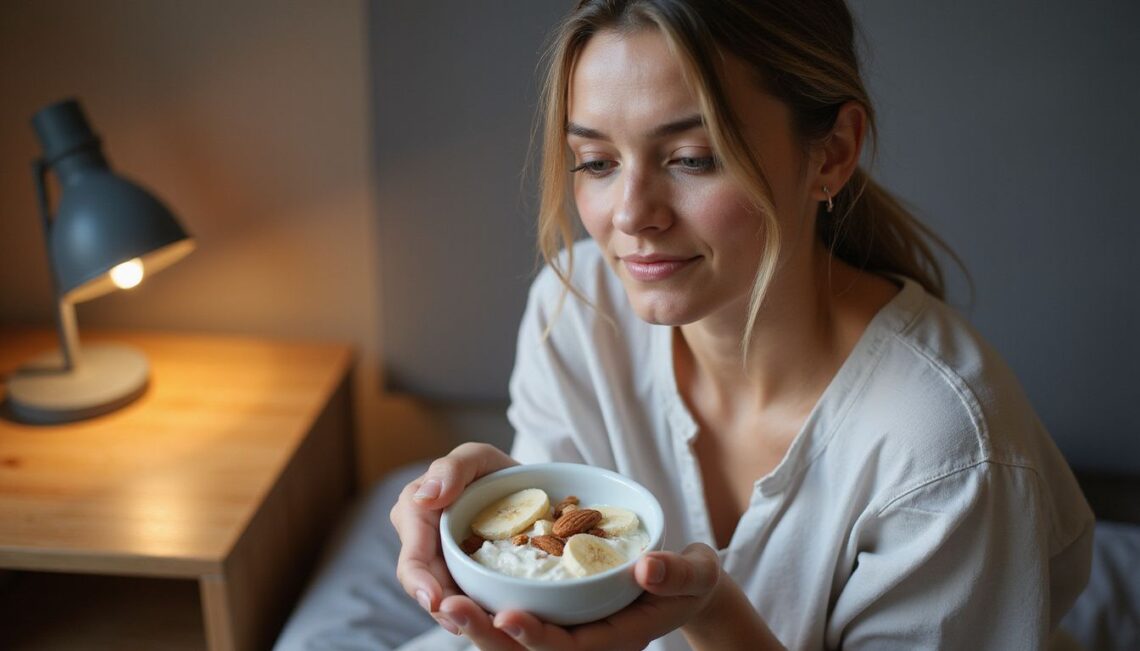
Here’s some good news: certain snacks can actually help you relax and improve sleep quality. Foods like bananas, nuts, and yogurt contain nutrients like tryptophan or magnesium that prepare your body for rest.
Choosing these healthier options won’t just curb cravings but may also support better sleeping habits. This blog is full of quick tips on what to eat—and what to avoid—before bed. Ready to drift off peacefully? Let’s begin!
Key Takeaways
- Opt for snacks containing tryptophan, magnesium, or potassium such as bananas, yogurt, and nuts to improve sleep quality.
- Steer clear of sugary treats, greasy foods, spicy snacks, and caffeine before bed to avoid heartburn and interrupted sleep.
- Healthy snack choices include Greek yogurt with honey (16g protein per container), oatmeal with nuts (166 calories per cup), or a sliced apple with peanut butter (under 200 calories per serving).
- Combining protein and carbs helps manage hunger while aiding muscle recovery overnight—for instance, cheese on whole-wheat crackers or chia pudding.
- Dr. Carla Meadows emphasizes small portions 1–2 hours before bed as optimal for preventing weight gain while supporting better rest through smart food selections.

Importance of Choosing the Right Bedtime Snacks
Eating the wrong snack before bed can lead to sleep problems or weight gain. Sugary foods, fried snacks, and spicy items might keep you awake or cause heartburn. Instead, selecting nutrient-rich snacks, like those with casein protein or complex carbohydrates, may encourage better rest and muscle repair.
Balanced options with protein and carbs help maintain stable blood sugar levels overnight. Foods containing tryptophan or magnesium also support relaxation. For example, snacks like cottage cheese paired with unsalted nuts provide these nutrients while keeping hunger away until morning.
Making thoughtful choices leads to improved sleep habits without risking an upset stomach or insomnia issues later on!
Healthy Snacks to Eat Before Bedtime
Choosing the right snack before bed can improve your sleep and leave you feeling rejuvenated in the morning. Easy, nutrient-rich choices provide a peaceful conclusion to your day.
Banana and Almond Butter
Banana with almond butter is a delicious, nutrient-rich snack. One serving contains about 150 to 188 calories and provides around 100 mg of magnesium. This mix supplies your body with potassium and magnesium, which help muscles relax for improved sleep.
Bananas are high in potassium, lowering the likelihood of muscle cramps at night. Almond butter contributes protein and healthy fats, helping you feel full longer. Together, they deliver 4.5 grams of protein per serving, balancing carbohydrates with fat for steady energy. This heartburn-friendly choice is also easy to digest if consumed one to two hours before bed.
Greek Yogurt with Honey
Greek yogurt is a smooth, protein-rich snack. One container of low-fat Greek yogurt contains just 92 calories and provides 16 grams of protein. It also contains calcium and magnesium, which relax your muscles at night.
Add a little honey on top for a bit of sweetness. The carbs from the honey assist tryptophan’s delivery to your brain, aiding sleep. This snack can ease acid reflux and help avoid late-night leg cramps too.
Eat it an hour before bed for optimal results!
Cottage Cheese and Berries
Cottage cheese is rich in protein. One cup provides 28 grams, while 4 ounces offer 12 grams. This slow-digesting protein, called casein, helps with muscle recovery as you sleep. It’s also low in calories, making it a great option for weight control and reducing late-night cravings.
Combine the cottage cheese with berries for additional nutrients. Berries are high in antioxidants and vitamins without added sugar. Regular berry intake may reduce the likelihood of short sleep by up to 17%.
A heartburn-friendly option, this snack keeps you full longer than refined carbs or sugary treats would. Stick to 1 cup of cottage cheese paired with half a cup of mixed berries for an optimal portion size before bed!
Oatmeal with Nuts
Oatmeal with nuts is a comforting and sleep-friendly snack. One cup of cooked oatmeal contains 166 calories, 5.9 grams of protein, magnesium, and melatonin. These nutrients help calm the body while maintaining steady blood sugar levels overnight.
Adding almonds or pistachios increases melatonin and tryptophan levels. Walnuts are ideal for incorporating healthy fats and extra protein too. Stick to one cup of oatmeal topped with a tablespoon or two of mixed nuts for balance. This combination can support serotonin production, encouraging relaxation before bed.
Sliced Apple with Peanut Butter
A sliced apple paired with 1–2 tablespoons of peanut butter makes a simple, nutrient-packed snack. The apple provides fiber, vitamin C, and slow-digesting carbohydrates, which help maintain steady blood sugar throughout the night.
Peanut butter supplies protein and healthy fats that promote fullness and aid muscle recovery. This combination is light on calories but rich in benefits, typically staying under 200 per serving. Apples are low-calorie fruits packed with water, making them excellent for weight management while curbing late-night cravings.
Peanut butter contributes magnesium to the mix, which may support better sleep quality. It’s also gentle on the stomach and unlikely to cause heartburn—a benefit for restful sleep!
Mixed Nuts and Seeds
Mixed nuts and seeds make an excellent midnight snack. They offer magnesium, tryptophan, healthy fats, and plant-based protein. Pistachios are particularly beneficial because they contain the highest amount of melatonin among nuts.
Cashews and walnuts support better sleep by increasing serotonin levels. Pumpkin seeds are rich in magnesium, providing 168 mcg per ounce, which is 40% of your daily value. Almonds, hazelnuts, and chestnuts also encourage restful sleep with their beneficial nutrients.
Keep portions small to manage calorie intake; around 1 oz or ¼ cup is ideal. Opt for unsalted varieties to avoid excessive sodium before bed.
Tart Cherry Juice
Tart cherry juice is a natural sleep aid. It contains melatonin, which supports your sleep cycle. Drinking 8 oz of this juice, about one to two hours before bed, may improve total rest time and quality.
Research has linked it to reducing insomnia. This juice also contains antioxidants that reduce inflammation and ease muscle soreness. Choose sugar-free options to avoid extra calories, as each glass contains about 159 calories.
Some people might find it causes heartburn, so watch for any discomfort after drinking it.
Whole-Wheat Crackers with Cheese
Whole-wheat crackers with low-fat cheddar cheese are a simple yet impactful bedtime snack. Five crackers paired with one slice of cheese provide 158 calories and 9.6 grams of protein.
The crackers offer fiber and slow-digesting carbs that help maintain steady blood sugar levels through the night.
Cheese provides calcium, protein, and tryptophan to support serotonin and melatonin production, assisting with relaxation for sleep. Full of important nutrients, this combo also supports muscle recovery after long days or workouts. It’s gentle on your stomach too—great for preventing heartburn before bed!
Chia Seed Pudding
Chia seed pudding is packed with omega-3s and fiber. These nutrients help maintain steady blood sugar and keep you feeling full for longer, making it a smart choice for a bedtime snack.
A serving, made with three tablespoons of chia seeds and one cup of milk, provides about 10 grams of fiber. Try almond or cow’s milk to add protein and calcium without increasing calories too much.
The excellent water-absorbing ability helps keep you hydrated while supporting digestion. Studies indicate it may also enhance sleep duration due to alpha-linolenic acid (ALA). It’s gentle on the stomach, so no late-night discomfort here! At under 200 calories per portion, it fits well into weight loss plans.
Beverages That Support Sleep
Chamomile Tea
Chamomile tea relaxes the body and mind. It contains apigenin, a natural compound that helps ease stress and supports sleep. This caffeine-free drink is easy on the stomach, making it suitable for most people prone to heartburn. Sipping it 30 to 60 minutes before bed encourages relaxation.
Unsweetened chamomile tea has no calories, making it beneficial for weight management. Studies connect this herbal tea to better sleep quality and reduced insomnia symptoms. Substitute caffeinated drinks or alcohol with this calming choice for improved sleep routines.
Warm Milk
Warm milk is a traditional bedtime drink. It contains tryptophan, a compound that helps your body produce serotonin and melatonin. These hormones calm the mind and promote sleep. Milk also provides protein, calcium, and carbohydrates, which work together to relax muscles.
A cup of warm milk before bed can soothe restless legs or prevent cramps. Its potassium content supports muscle function as well. Opt for plain milk without added sugar for better results. One 8-ounce serving is sufficient to enjoy the benefits without consuming excess calories.
Snacks to Avoid Before Bedtime
Sugary Treats
Sugary treats like candy, cookies, and cakes can cause restless nights. These snacks increase blood sugar levels rapidly but result in crashes afterward, disturbing sleep patterns.
Diets high in added sugars are connected to insomnia and shorter sleep duration. Eating sweets before bed may also cause heartburn or worsen snoring.
Over time, frequent late-night sugary snacks may lead to weight gain and health problems like obesity. Sugary cereals should also be avoided at night due to their low nutritional value. Always review labels on drinks like tart cherry juice for added sugars; opt for unsweetened options instead.
Spicy Foods
Spicy foods like hot peppers and salsa can disrupt your sleep. They often cause heartburn or acid reflux if eaten too close to bedtime. This discomfort makes it difficult to fall asleep or remain asleep during the night.
These foods may also increase your body temperature, leaving you uneasy in bed. People with GERD should avoid snacking on spicy items at night. Avoid heavily spiced dishes within three hours of sleeping for better rest.
Fried or Greasy Snacks
Fried or greasy snacks can disrupt a good night’s sleep. Foods like potato chips, fried chicken, and fast food are high in fat. This slows digestion and may cause heartburn or indigestion.
Eating such foods before bed increases the chance of discomfort. High-fat meals can also delay sleep onset and reduce overall sleep quality.
These snacks contain a lot of calories too. Late-night consumption might lead to unwanted weight gain over time. Full-fat dairy should also be avoided due to similar effects on digestion and discomfort at night. For better rest, avoid oily treats hours before bedtime!
Caffeinated Beverages
Caffeine in the evening can disrupt your sleep. It makes falling asleep harder, reduces sleep duration, and aggravates insomnia. Even small amounts at night affect sleep quality. Beverages like coffee, energy drinks, most teas (excluding herbal), and sodas contain caffeine.
The National Institutes of Health advises avoiding caffeine 4–6 hours before bedtime. Excessive caffeine can also increase nighttime urination, further disturbing rest. Instead of caffeinated drinks, consider chamomile tea or warm milk to encourage better sleep habits and relaxation before bed.
Tips for Late-Night Snacking
Keep your portions small to avoid feeling overly full before bed. Combine foods rich in protein and carbohydrates to support better sleep.
Stick to Small Portions
Eating small portions aids in weight management and improves sleep quality. Snacks before bed should be kept under 340 calories. This helps prevent overeating and keeps your body from exerting excess effort during rest.
For instance, have one ounce of nuts or a single-serving container of yogurt instead of eating directly from the package. Manage portions by pre-measuring snacks like popcorn or berries into bowls. These options are low in calories but satisfying. Avoid large meals late at night to steer clear of heartburn and disrupted sleep.
Even nutritious choices require moderation to help manage food cravings while supporting healthy sleep patterns and overall wellness objectives.
Balance Protein and Carbohydrates
Pairing protein with carbohydrates helps you stay satisfied longer and supports improved sleep. Protein aids muscle recovery, especially after evening workouts, while carbs help your brain produce melatonin by boosting tryptophan levels.
Try snacking on plain Greek yogurt with a drizzle of honey or whole-grain crackers topped with cheese. Foods like oatmeal topped with nuts combine slow-digesting carbs and dietary protein to maintain steady blood sugar overnight. Mixing these nutrients also prevents hunger pangs from waking you up at night.
Conclusion
Healthy bedtime snacks can help you relax and get ready for sleep. Choosing the right ones makes a difference.
Dr. Carla Meadows, a nutritionist with more than 15 years of experience, emphasizes this point. She holds a Ph.D. in Nutritional Science from UCLA and is a published author on diet and sleep connections. Her research shows how food influences rest, energy, and overall health.
Dr. Meadows explains that foods containing tryptophan, magnesium, or potassium promote better sleep patterns. A banana with almond butter or yogurt provides an excellent protein-carb balance, keeping you fuller for longer at night. Scientific studies support their positive effects on mood regulation due to amino acids like tryptophan.
She advises being mindful of snack choices close to bedtime. Avoid high sugar or greasy options, as they disrupt digestion or cause energy spikes when rest is most needed.
In everyday life, Dr. Meadows recommends small portions 1-2 hours before bed if hunger strikes late in the evening! Pair calming drinks like chamomile tea with nutritious options such as chia puddings thoughtfully incorporated within balanced routines.
Bedtime snacking has benefits but also potential downsides—overeating at any time can interfere with natural fullness signals, possibly leading to weight concerns and other long-term risks.
Poor evening choices can disrupt nightly cycles and reduce restorative sleep. Balanced selections like whole grains, vitamin- and mineral-rich foods, or protein shakes can boost metabolism, fostering better focus and energy.
Keeping portions controlled and timing thoughtful ensures consistent performance, while expert guidance helps manage habits and maintain a sustainable routine for better health outcomes.
Read more food and health articles at ClichéMag.com
Images provided by Deposit Photos, BingAI, Adobe Stock, Unsplash, Pexels, Pixabay Freepik, & Creative Commons. Other images might be provided with permission by their respective copyright holders.