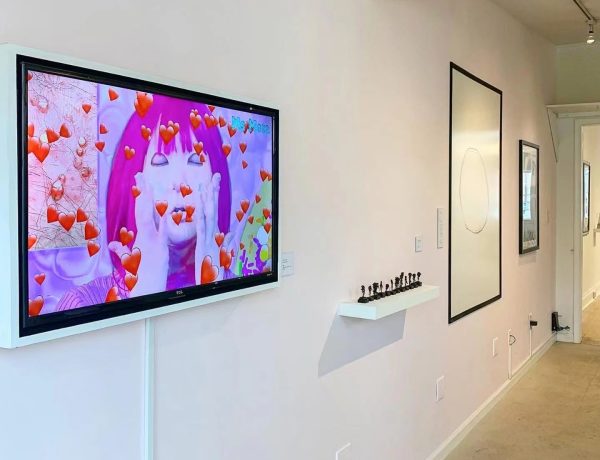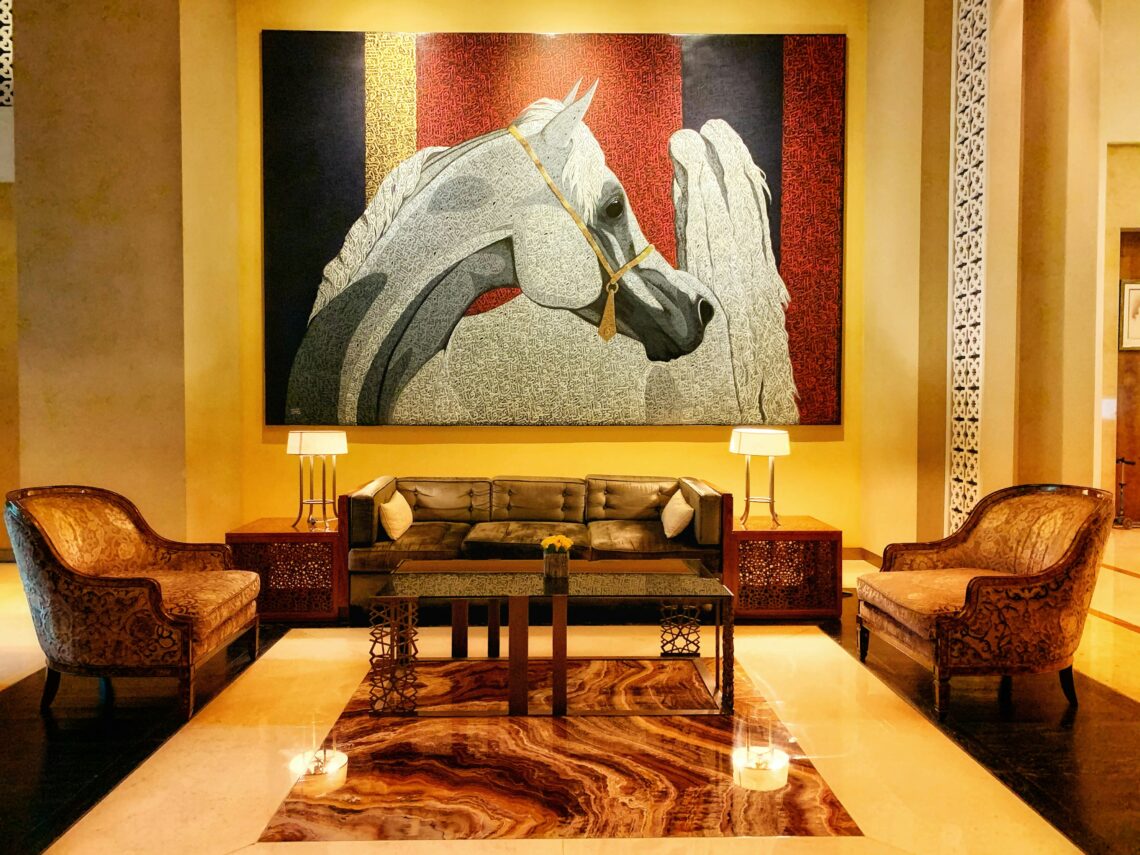

In the world of interior design, few elements carry the transformative power of luxury wall art. More than mere decoration, these carefully curated pieces serve as visual anchors that define a space’s character and reflect the sophistication of those who inhabit it. For fashion-forward homeowners and designers, luxury wall art represents the intersection of artistic expression and refined taste—a statement that elevates interiors from simply furnished to genuinely memorable.
The right artwork can completely reimagine a room’s atmosphere, whether introducing dramatic contrast to a minimalist living space or adding layers of visual interest to an already eclectic environment. This guide explores what distinguishes luxury wall art from conventional decor, how these pieces have evolved to meet contemporary tastes, and the strategic considerations that inform thoughtful placement across different rooms. We’ll also examine the psychological dimensions of living with art and why investing in museum-quality pieces offers returns that extend far beyond aesthetics.
What Defines Luxury Wall Art
Luxury wall art distinguishes itself through a combination of craftsmanship, materials, and artistic vision that transcends mass-market alternatives. These pieces represent significant investments in both monetary and aesthetic terms, chosen for their ability to anchor a room’s design narrative while maintaining relevance across changing trends.
Several characteristics consistently appear in luxury wall art:
- Materials and Construction: Premium substrates including museum-grade canvas, archival fine art paper, and metals like brushed aluminum or copper provide the foundation. Archival pigment inks resist fading for decades, while custom framing using conservation-grade materials protects the investment.
- Production Methods: Techniques such as giclée printing—which uses millions of ink droplets to achieve photographic detail—hand-embellishment by artists, and strictly limited edition runs ensure exclusivity and maintain value over time.
- Artistic Merit: Whether featuring established artists, emerging talents, or sophisticated fine art photography, luxury pieces demonstrate conceptual depth and technical mastery that rewards sustained viewing.
- Provenance and Authentication: Certificates of authenticity, artist signatures, and edition numbering provide documentation that supports both aesthetic and financial value.
In sophisticated interiors, luxury wall art functions as more than visual punctuation. These pieces initiate conversations, establish focal points that organize surrounding elements, and communicate the homeowner’s cultural literacy and aesthetic priorities.
The Evolution of Luxury Wall Art
The tradition of adorning walls with significant artworks stretches back millennia, from the frescoes of Pompeii to the tapestries that insulated medieval castles while displaying wealth and taste. For centuries, luxury wall art remained the exclusive province of aristocracy and institutions—hand-painted oils, intricate tapestries, and gilded frames that required both substantial capital and access to artistic networks.
The democratization of art accelerated dramatically through the 20th century. Technological advances in reproduction, from lithography to digital printing, expanded access without necessarily compromising quality. Fine art photography has emerged as a particularly dynamic category, with collectors increasingly recognizing its legitimacy alongside traditional media.
Contemporary luxury wall art reflects this expanded landscape. Today’s discerning collectors might equally prize a limited-edition photograph, an abstract painting by an emerging artist, or a digitally-created work that exists in only a handful of authorized prints. The emphasis has shifted from medium to execution—the vision behind the work and the quality of its realization matter more than adherence to traditional hierarchies.
This evolution has also transformed how luxury art integrates into interiors. Where previous generations might have favored ornate frames and formal arrangements, contemporary spaces often feature clean presentations that let the artwork itself command attention, reflecting broader shifts toward minimalism and intentional design.
Selecting Luxury Wall Decor for Different Spaces
Strategic placement amplifies luxury wall art’s impact, with each room presenting distinct opportunities and considerations. The most successful installations account for both the space’s function and its existing design language.
- Living Rooms: These social spaces benefit from bold, conversation-starting pieces that can hold their own as focal points. Scale matters significantly—undersized art disappears on expansive walls, while oversized pieces create drama and anchor seating arrangements. Consider works that reflect your aesthetic sensibilities while complementing the room’s color palette and architectural features.
- Bedrooms: Private spaces call for art that promotes tranquility and personal connection. Abstract compositions in muted tones, serene landscapes, or intimate photography can establish the contemplative atmosphere conducive to rest. The relationship between bedroom design and sleep has drawn increasing attention from designers who recognize these spaces as sanctuaries rather than mere sleeping quarters.
- Bathrooms: Often overlooked as venues for serious art, bathrooms present unique opportunities for unexpected sophistication. Moisture-resistant materials and proper framing protect investments while introducing visual interest to utilitarian spaces. Botanical prints, abstract works, and carefully selected photography can transform bathrooms into spa-like retreats.
- Home Offices: Workspaces benefit from art that energizes without distracting. Dynamic compositions, motivational imagery, or pieces with personal significance can enhance focus and creativity. Consider how natural light interacts with the artwork throughout the day, as shifting illumination can dramatically alter a piece’s presence.
Successful selection requires considering not just individual preference but how artwork interacts with existing furnishings, architectural elements, and lighting conditions. Professional interior designers often recommend living with potential pieces—even as digital mockups—before committing to ensure the relationship between art and space feels inevitable rather than forced.
The Psychological Impact of Living with Art
The presence of thoughtfully selected art in living spaces extends beyond aesthetic pleasure to influence psychological well-being in measurable ways. Research into environmental psychology has documented how visual environments shape mood, cognitive function, and even physiological responses.
Luxury wall art contributes to psychological wellness through several mechanisms:
- Emotional Regulation: Color psychology plays a significant role in how art affects mood. Warm tones can energize and stimulate, while cool palettes promote calm and focus. The emotional content of imagery—whether abstract, representational, or photographic—triggers associations that can elevate spirits or provide contemplative moments throughout the day.
- Identity Expression: Surrounding yourself with art that resonates personally reinforces self-concept and creates environments that feel authentically yours. This sense of belonging and self-expression contributes to overall life satisfaction and reduces the stress that comes from inhabiting spaces that feel generic or impersonal.
- Cognitive Engagement: Complex, layered artworks reward sustained attention, offering new details and interpretations over time. This ongoing engagement provides mental stimulation and can serve as a form of meditation, offering respite from digital overstimulation.
- Stress Reduction: Studies have shown that viewing art activates the brain’s reward centers, releasing dopamine and reducing cortisol levels. The simple act of pausing to appreciate a beautiful piece can interrupt stress cycles and provide moments of restoration during demanding days.
Understanding these psychological dimensions helps inform more intentional art selection, moving beyond purely aesthetic considerations to create environments that actively support well-being and mental health.
The Value Proposition of Museum-Quality Prints
High-quality framed prints occupy a unique position in the luxury art market, offering accessibility to significant works while maintaining the standards that define serious collecting. When executed with museum-grade materials and techniques, these prints provide visual impact and longevity that justify their premium positioning.
Several factors distinguish museum-quality prints from conventional reproductions:
- Longevity and Preservation: Archival materials resist degradation from light exposure, humidity, and atmospheric pollutants. Properly produced and displayed prints can maintain their visual integrity for generations, making them genuine heirlooms rather than temporary decorations.
- Design Versatility: The breadth of available subjects, styles, and sizes in high-quality prints allows for precise calibration to existing interiors. Whether seeking dramatic contrast or subtle harmony, the range of options supports virtually any design vision.
- Visual Authority: A well-chosen, expertly framed print commands attention and establishes visual hierarchy within a room. These pieces create focal points that organize surrounding elements and provide anchors for the eye.
- Investment Stability: Limited edition prints from recognized artists or photographers can appreciate over time, particularly when accompanied by proper documentation and maintained in excellent condition. Even when financial appreciation doesn’t occur, the aesthetic dividends compound daily.
The framing itself deserves careful consideration, as it profoundly affects both the artwork’s presentation and its preservation. Custom framing using acid-free mats, UV-protective glazing, and quality moldings transforms prints into finished pieces worthy of prominent placement.
Wholesale Opportunities for Design Professionals
Interior designers and decorators face the perpetual challenge of sourcing distinctive art that aligns with project budgets while maintaining the quality standards their clients expect. Wholesale purchasing offers several strategic advantages. Designers sourcing at this level typically work with wholesale art print suppliers like Leisure Piece, Society6, and Minted — each offering professional pricing structures and inventory depth suited to multi-room and multi-project workflows. Wholesale purchasing offers several strategic advantages:
- Economic Efficiency: Professional pricing allows designers to specify luxury art across multiple rooms or projects without exhausting budgets. The savings can be redirected to other design elements or passed along to clients, strengthening competitive positioning.
- Curatorial Breadth: Wholesale suppliers typically maintain extensive inventories spanning diverse styles, subjects, and price points. This variety supports the creative flexibility designers need to respond to varied client preferences and project requirements.
- Consistency Across Projects: Establishing relationships with reliable wholesale sources ensures consistent quality and availability, reducing the uncertainty that can complicate project timelines and client expectations.
- Customization Options: Many wholesale suppliers offer customization services—from sizing adjustments to framing specifications—that allow designers to tailor pieces to specific installations without the premium typically associated with bespoke work.
For designers building their practices, wholesale access to luxury wall art represents both a practical resource and a competitive differentiator, enabling them to deliver elevated results that justify their professional fees and generate referrals.
Read more lifestyle and luxury articles at ClichéMag.com
Images provided by Deposit Photos, BingAI, Adobe Stock, Unsplash, Pexels, Pixabay Freepik, & Creative Commons. Other images might be provided with permission by their respective copyright holders.