
Last Updated on September 8, 2026 by Cliche
Are you trying to choose a property without tying up your cash in the wrong deal? Types Of Real Estate To Purchase: Key Options For Buyers And Investors can feel overwhelming because every property comes with a different mix of financing, work, risk, and return.
A single-family rental may be easier to finance, while a warehouse, hotel, or office building can demand a much larger cash reserve before closing. The real cost is never just the purchase price. You also need room for inspections, taxes, insurance, repairs, vacancies, and property management.
The best investment property is the one that fits your capital, available time, and comfort with risk.
We will walk through the main real estate categories, the numbers that matter before you make an offer, and the questions that can keep an exciting deal from becoming an expensive lesson.

Residential Real Estate
Residential properties give people a place to live, which creates a wide renter and buyer pool in most markets. They include detached homes, small multifamily buildings, condos, townhomes, manufactured homes, and accessory dwelling units.
For many investors, residential real estate is the most practical place to start because you can study comparable rents, local sales, and tenant demand before committing. Your job is to match the property type with a realistic plan for financing, maintenance, and rental income.
Single-family homes
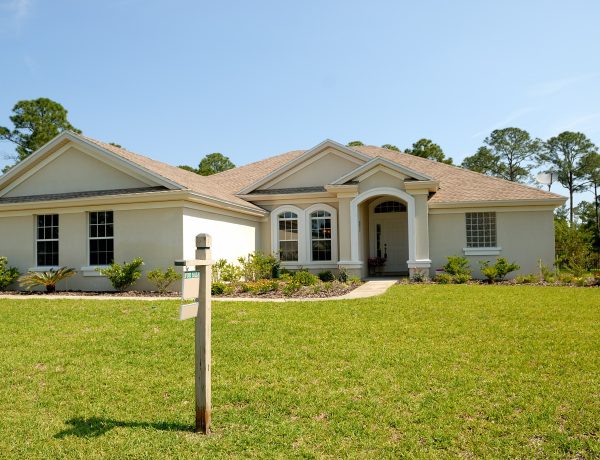
Single-family homes are detached residences on their own lots. They offer private yards, no shared walls, and broad appeal to tenants who want more space, which can help when it is time to lease or sell.
The tradeoff is simple: you collect rent from one household, while you still pay for every roof, HVAC repair, driveway issue, and vacant month. A rental that looks profitable with full occupancy can lose money quickly if you skip a repair reserve.
Before you buy, compare three numbers: the expected monthly rent, the full monthly carrying cost, and your cash reserve after closing. Do not count on future appreciation to rescue weak cash flow.
- Best fit: Investors who want a familiar asset with a large pool of future buyers.
- Watch closely: Property taxes, insurance premiums, age of major systems, and local rent limits.
- Smart move: Ask for utility history and receipts for recent roof, plumbing, and electrical work before removing inspection contingencies.
Detached homes can build equity and offer control, but the owner carries the full maintenance bill.
Multifamily homes
Duplexes, triplexes, and fourplexes are residential properties with separate homes under one roof or on one parcel. Buildings with five or more units are usually financed and valued as commercial real estate.
House hacking means living in one unit while renting the others. It can reduce your personal housing cost and gives you a close view of tenant screening, repairs, leases, and day-to-day property management.
HUD states that FHA financing can be available for owner-occupied properties with one to four units, with down payments as low as 3.5% for eligible borrowers. That can make a duplex or fourplex far more reachable than a commercial apartment building, provided you plan to live there and qualify.
In 2026, FHA’s national loan-limit floor is $693,050 for two-unit properties and $1,041,125 for four-unit properties, though local limits vary. Check the county limit before you spend money on an appraisal or inspection.
- Review each lease, security deposit record, and rent-payment history.
- Separate market rent from the seller’s current rent, especially if tenants have lived there for years.
- Budget for turnover work between tenants, including paint, flooring, appliances, and cleaning.
- Check whether utilities are separately metered, because one shared bill can cut deeply into rental income.
HUD offers resources and financing programs for multi-family housing development and for larger projects. Start small if you are new, but treat each unit like a separate business with its own income and expense record.
Condos and townhomes
Condos give you ownership of an individual unit, while an association manages shared roofs, hallways, elevators, landscaping, and other common elements. A condominium association handles shared common areas, but the monthly HOA fee does not remove your need to review the building’s finances.
Townhomes often provide private entrances, multiple floors, and small outdoor areas with less exterior maintenance than a detached house. Some have low HOA fees, while others carry costs closer to a condo, so compare the full monthly payment instead of looking at the sale price alone.
Fannie Mae’s 2026 project standards make HOA finances a real lending issue. For many condo reviews, no more than 15% of units can be seriously behind on association dues, and the budget needs a replacement-reserve allocation of at least 10%.
| Question to ask | Why it affects your investment |
|---|---|
| Is a special assessment planned? | A new roof, elevator, or insurance gap can create a large one-time bill. |
| How much is in reserves? | Thin reserves can lead to higher dues or deferred repairs. |
| Are rentals restricted? | A rental cap can block your investment plan after closing. |
| What does the master policy cover? | You may need added coverage for the unit interior, flood exposure, or liability. |
Tiny homes
Tiny homes can appeal to buyers who want lower purchase costs, smaller utility bills, and less space to maintain. For investors, they may work as long-term rentals, short-term rentals where local rules allow them, or accessory dwelling units on an existing residential lot.
The biggest issue is not the home itself. It is whether local zoning, building rules, utility connections, parking requirements, and lender standards allow the use you have in mind.
Freddie Mac’s 2026 guidance allows eligible mortgages on one-, two-, and three-unit properties with one accessory dwelling unit when the ADU meets local zoning and land-use rules. That gives owners a clearer financing path for a legal backyard unit, but it does not make an unpermitted tiny home financeable.
- Confirm that the structure is legal for permanent occupancy.
- Ask whether it must sit on a foundation or can remain on wheels.
- Price water, sewer, electrical, and driveway work before you buy land.
- Check whether the city limits short-term rental use or separate utility meters.
Commercial Real Estate
Commercial real estate includes property used by businesses, such as offices, retail centers, hotels, medical space, and larger apartment buildings. These deals can offer longer leases and larger rent checks, yet they also require deeper underwriting and more cash.
Commercial lenders focus on the property’s income, tenant quality, lease terms, and debt-service coverage. In other words, the building needs to support its debt, not just look good on a tour.
Office buildings
Office buildings range from small professional suites to downtown towers. Their appeal comes from business tenants and multi-year leases, which can make income more predictable when you have strong occupants and well-written leases.
Office is also highly local. A medical office near a growing hospital system does not face the same demand as an outdated suburban building with large vacant floors.
CBRE reported that 2025 was the first year since it began tracking the sector in 1988 that office demolitions and conversions outpaced new completions. That shrinking supply may help stronger properties, but it does not fix weak locations or aging buildings.
A commercial purchase needs more than a down payment. Build a full cash-to-close estimate that includes lender fees, legal review, environmental work, tenant improvements, leasing commissions, and operating reserves.
- Read every lease and identify expiration dates, renewal options, and rent increases.
- Check tenant financial strength, not just the name on the sign.
- Set aside funds for tenant improvements before the first major lease rollover.
- Review local parking, accessibility, and fire-code requirements.
Your insurer and local code requirements will care about fire-protection equipment, so review fire extinguisher classes as part of the building-safety review. Office investing works best when you buy durable income, not a hope that vacant space will fill itself.
Retail spaces
Retail property includes storefronts, strip centers, grocery-anchored centers, restaurants, and malls. The right site can produce steady rental income because tenants depend on visibility, parking, traffic flow, and nearby households.
Look beyond the current tenant. A retail building is stronger when another business could use the space if the first tenant leaves.
CBRE’s 2026 outlook describes retail fundamentals as relatively strong but more selective. That points investors toward necessity-based tenants, service businesses, and centers with practical access instead of relying on a single trendy concept.
| Retail setup | What to review before buying |
|---|---|
| Single-tenant storefront | Lease length, corporate guarantee, renewal rights, and replacement-tenant options. |
| Neighborhood strip center | Tenant mix, parking, signage, vacancies, and who pays repairs. |
| Restaurant space | Grease trap, venting, liquor rules, kitchen equipment, and local health requirements. |
Check the lease for percentage-rent clauses, common-area maintenance charges, and repair duties. A high advertised rent is less meaningful if the owner pays for the roof, parking lot, taxes, insurance, and major repairs.
Hospitality properties
Hotels, motels, resorts, and extended-stay properties earn income one night at a time. That gives you more upside during busy periods, but revenue can fall fast when travel slows, weather changes, or a local event ends.
Unlike a typical apartment building, a hotel is an operating business with payroll, booking systems, marketing, housekeeping, food service in some cases, and constant guest turnover. You are buying real estate and an active business at the same time.
- Location: Track airport traffic, major employers, convention activity, hospitals, universities, and attractions.
- Brand: Study franchise fees, required renovations, reservation-system rules, and brand standards.
- Operations: Review payroll, occupancy, average daily rate, and repair costs month by month.
- Reserves: Plan for furniture, fixtures, and equipment replacement, since guest rooms wear out faster than apartments.
Hospitality can suit investors who have experienced operators and a larger cash cushion. If you want passive rental income, a hotel rarely delivers it.
Industrial Real Estate
Industrial real estate supports storage, production, distribution, research, and logistics. It can produce durable income because tenants often invest heavily in racking, loading equipment, machinery, and local labor relationships.
Do not buy a building just because it has a large footprint. Clear height, dock doors, trailer storage, electric capacity, rail access, road access, zoning, and sprinkler systems can matter more than square footage.
Warehouses and distribution centers
Warehouses store goods. Distribution centers move goods in and out quickly through loading docks, delivery routes, and inventory systems.
Location is the whole story. A building near major highways, ports, rail terminals, airports, or dense customer areas may command more demand than a cheaper building in a hard-to-reach area.
CBRE forecasts industrial leasing activity of nearly 1 billion square feet in 2026 and expects vacancy to settle in the mid-6% range. That supports demand for well-located facilities, while older buildings with limited loading or low clear height may still struggle.
- Count dock-high doors, grade-level doors, trailer spaces, and parking spaces.
- Verify clear height, column spacing, sprinkler capacity, and electrical service.
- Ask whether trucks can enter, turn, load, and exit without local restrictions.
- Check the lease for roof, structure, and maintenance responsibilities.
In industrial property, a tenant can often replace paint and office finishes. It cannot easily replace poor highway access or inadequate loading capacity.
Manufacturing facilities
Manufacturing facilities are built for production and assembly. They may need heavy electrical service, reinforced floors, ventilation, cranes, specialized water systems, rail spurs, or high-capacity loading areas.
These features can create a valuable moat for the right tenant, yet they can also narrow your future tenant pool. A building made for one manufacturer may need expensive work before another company can use it.
CBRE’s 2026 industrial occupier survey found that nearly half of respondents with U.S. manufacturing operations planned to increase domestic manufacturing. That makes local labor supply, utility capacity, and highway access key parts of your underwriting.
- Confirm industrial zoning and permitted uses with the local planning department.
- Order environmental due diligence before closing, especially for prior industrial users.
- Review utility bills and capacity with the local providers.
- Price deferred maintenance on roofs, paving, ventilation, and fire systems.
The EPA recognizes ASTM E1527-21 as a standard for a Phase I environmental site assessment. For a former factory, dry cleaner, fuel site, or repair facility, that report can help uncover contamination risk before it becomes your expense.
Land
Land acquisition gives you the most flexibility and the least immediate cash flow. You can hold it, lease it, farm it, subdivide it, build on it, or sell it later, but each plan depends on rules you need to confirm before closing.
Never assume a vacant parcel is buildable just because nearby lots have homes or businesses. Zoning, legal access, flood exposure, soil conditions, utility distance, wetlands, and setbacks can change the value of the same acreage dramatically.
Raw land
Raw land has no building, tenant, or monthly rent check. That lowers day-to-day management, but it also means taxes, insurance, loan payments, and site work come out of your pocket while you wait.
Start with the parcel map, zoning code, title report, legal access, and utility availability. If your plan needs a well, septic system, driveway, or subdivision approval, get written answers and contractor estimates before you make your offer.
The EPA says all appropriate inquiries should be completed or updated within one year before acquiring property when a buyer seeks federal liability protection for contamination. Parts of that work, including site inspection and government-record reviews, must be current within 180 days of purchase.
| Land question | Why it matters |
|---|---|
| Can you legally access the parcel? | A landlocked site can be hard to finance, build on, or resell. |
| Are utilities nearby? | Extension costs can turn a cheap lot into an overpriced one. |
| Is the parcel in a floodplain or wetland area? | Building limits and insurance costs can change your plan. |
| Does zoning permit your intended use? | Do not buy based on a verbal promise that the city might approve a change later. |
Opportunity Zones can offer tax benefits through a Qualified Opportunity Fund, not through a casual purchase of any lot in a designated area. IRS guidance issued in 2026 also changed parts of the rules for rural projects, so speak with a tax adviser before making tax benefits part of your projected return.
Agricultural land
Agricultural land can earn income through farming, grazing, leases, timber, solar agreements, or future development potential. It also comes with water, soil, crop, tenant, conservation, and commodity-price risk.
USDA data puts average U.S. farmland value at $4,350 per acre in 2025, up 4.3% from 2024. State values range widely, which is why national averages should never replace local sales, soil data, water rights, and crop economics.
Before buying farmland, ask who will operate it and how the lease works. A strong tenant with a clear lease can be more valuable than a prettier parcel with uncertain access or poor drainage.
- Review soil maps, crop history, drainage, irrigation rights, and water costs.
- Read every farm lease and confirm who pays taxes, repairs, and insurance.
- Check conservation easements, hunting leases, mineral rights, and renewable-energy options.
- Use local farm sales and rent data instead of assuming appreciation will carry the deal.
Real Estate Investment Options
You do not need to own a building directly to invest in real estate. Your choice between direct ownership, REITs, and real estate crowdfunding should come down to how much control, liquidity, tax work, and management responsibility you want.
Direct ownership can create more control and more work. Pooled investments can spread your money across assets, while giving you less say over the property and exit timing.
Buy & Hold properties
Buy and hold means purchasing a property for long-term rental income and potential appreciation. It can work with single-family homes, multifamily buildings, condos where rentals are allowed, and commercial property.
Your return comes from several places: rent collected, principal paid down by the tenant, property appreciation, and tax treatment. Your risk comes from vacancies, repairs, weak rents, rising expenses, and poor tenant selection.
The IRS lists a 27.5-year depreciation period for residential rental property and 39 years for nonresidential real property. Depreciation rules can reduce taxable income, but they do not replace cash flow, so speak with a tax professional about your own situation.
- Use conservative rent estimates based on live competing listings and signed leases.
- Set aside money monthly for repairs, capital items, vacancies, and management.
- Screen tenants consistently and follow fair-housing rules.
- Review your rent and expense plan at least once a year.
Fix and Flip investments
House flipping means buying a property, improving it, and selling it within a short period for a profit. It rewards accurate buying, tight construction control, fast decisions, and a clear resale plan.
ATTOM reported that the typical U.S. home flip in 2025 produced a gross profit of $65,981 and a 25.5% gross return on investment. Those figures do not include every investor’s financing, holding, labor, selling, or overhead cost, which is why gross profit is not take-home profit.
The same report found that 70% of major metro areas saw lower typical flip margins during 2025. That is a warning to underwrite repairs, financing, insurance, permits, and resale costs before you buy, not after demolition starts.
| Budget item | Common mistake |
|---|---|
| Purchase and closing costs | Using the list price instead of a defensible after-repair value. |
| Renovation work | Skipping contingency funds for hidden plumbing, electrical, or structural issues. |
| Holding costs | Forgetting loan interest, taxes, insurance, utilities, and lawn care. |
| Sale costs | Leaving out agent fees, concessions, staging, and buyer repair requests. |
Real Estate Investment Trusts (REITs)
REITs let you invest in real estate through a company or fund that owns income-producing properties. Publicly traded REITs can be bought and sold through a brokerage account, while private and non-traded REITs may have limited exit options.
A REIT can provide exposure to apartments, warehouses, data centers, retail centers, offices, storage, health care, or other property sectors without asking you to manage tenants or call a plumber.
Investor.gov explains that REITs must distribute at least 90% of taxable income each year to keep their tax status. That can support regular distributions, but the share price and payout can still move with property values, interest rates, debt levels, and the economy.
- Public REITs: Easier to buy and sell, with market-price swings each trading day.
- Private REITs: May offer different property access, yet often have less liquidity and higher due-diligence demands.
- Sector REITs: Let you focus on one area, such as industrial, apartments, or health care, but add sector concentration risk.
Read the portfolio, debt level, fees, distribution history, and redemption rules before investing. A REIT is a security, not a guaranteed rent check.
Crowdfunding opportunities
Real estate crowdfunding lets investors pool money into property deals, debt notes, development projects, or private real estate funds. It can give you access to deals that would cost far more to buy alone.
It can also lock up your money. You are relying on the sponsor’s plan, the documents, and the property’s performance, often without a simple way to sell your position early.
The SEC states that Regulation Crowdfunding offerings must run through an SEC-registered broker-dealer or funding portal. Securities bought through these offerings usually cannot be resold for one year, so only invest money you can leave committed.
- Read the sponsor’s track record, debt terms, fees, and projected exit plan.
- Check whether you are buying equity, debt, or a fund interest.
- Study the minimum investment, distribution policy, and resale limits.
- Compare the projected return with the risk of delay, refinancing, and loss.
Crowdfunding can add variety to your investment strategies, but it should not replace a cash reserve or careful research into the people running the deal.
Types Of Real Estate To Purchase: Your Next Move
Real estate gives investors several paths, from a single-family rental to a fourplex, retail center, warehouse, farmland parcel, REIT, or crowdfunding deal. The right property types depend on your available cash, financing options, time, and ability to handle surprises.
If you are new, a well-priced single rental or owner-occupied small multifamily property can teach you the basics without putting every dollar into one complex commercial deal.
Start your review with the numbers that protect you:
- Cash needed for the down payment, closing, repairs, and reserves.
- Realistic rental income based on local comparable properties.
- Monthly costs for debt, taxes, insurance, maintenance, utilities, and management.
- Rules that can limit your plan, including zoning, HOA restrictions, leases, and permits.
Commercial and industrial assets can produce larger income streams, but they often need greater reserves, stronger tenant analysis, and more specialized help. Land can offer long-term upside, yet it may produce no income while you pay to hold it.
REITs and real estate crowdfunding offer a lower-management route into real estate investment, but you trade direct control for fund or sponsor risk. House flipping can create a faster payoff, but current margins leave less room for a bad estimate.
Choose a property that you can explain on one page: how it earns money, what can go wrong, how much cash it needs, and what you would do if rent drops or repairs rise. That kind of discipline gives your real estate investment a much stronger foundation.
References
- https://www.philadelphiafed.org/-/media/FRBP/Assets/working-papers/2025/wp25-37.pdf
- https://www.tandfonline.com/doi/full/10.1080/15214842.2025.2462343
- https://www.researchgate.net/publication/387256040_Key_factors_in_the_acquisition_of_residential_properties_A_comprehensive_study_of_the_global_real_estate_market (2024-12-12)
- https://www.sciencedirect.com/science/article/pii/S0264837725000778
- https://www.ipx1031.com/tiny-homes-in-america/
- https://www.sciencedirect.com/topics/economics-econometrics-and-finance/commercial-real-estate
- https://partnersrealestate.com/media-center/blog/investing-in-industrial-real-estate-a-guide-to-warehouse-and-distribution-centers/ (2023-09-26)
- https://pmc.ncbi.nlm.nih.gov/articles/PMC9344229/
- https://www.sciencedirect.com/science/article/pii/S2667096825000229
- https://globalrealassets.georgetown.edu/insight/is-land-a-good-investment/
- https://academic.oup.com/joeg/article/23/5/1037/7158567
- https://easystreetcap.com/fix-and-flip-vs-buy-and-hold/ (2025-06-13)
- https://www.emerald.com/insight/content/doi/10.1108/jpif-08-2019-0112 (2020-03-30)
- https://www.researchgate.net/publication/328955883_Crowdfunding_in_Real_Estate_Evolutionary_Disruptive
Read more real estate articles at ClichéMag.com
Images provided by Deposit Photos, BingAI, Adobe Stock, Unsplash, Pexels, Pixabay Freepik, & Creative Commons. Other images might be provided with permission by their respective copyright holders including AI generators.