
Last Updated on March 30, 2026 by Cliche
A DWI charge in Houston, TX, rarely stays simple for long. What may begin as a traffic stop on a Houston street can quickly grow into a detailed legal process involving police reports, testing procedures, and strict legal rules.
Many drivers assume the case will depend only on whether alcohol was involved, yet the reality is far more layered than that. Every step taken by law enforcement must follow specific procedures, and each piece of evidence must hold up under legal scrutiny.
People in Houston, TX often discover that these cases carry many moving parts that shape the final outcome.
Why DWI Charges Are More Complex Than They Appear
The Legality of the Traffic Stop
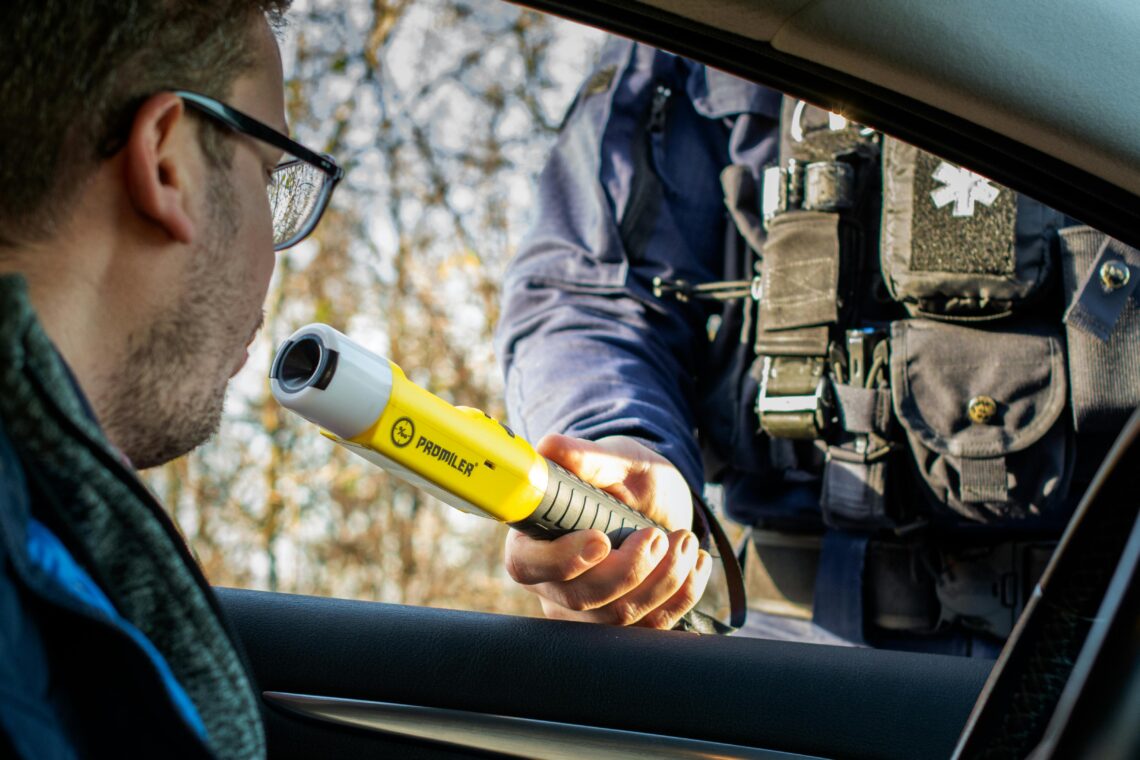
Every DWI case begins with a traffic stop, and the reason behind that stop becomes one of the first issues examined in court. Police officers must have a valid reason to pull over a vehicle. This reason could be speeding, running a red light, or driving in a way that appears unsafe. If the officer cannot clearly explain why the stop happened, the entire case may face legal questions.
Courts look closely at whether the officer followed proper procedures during the stop. Dash camera footage, police reports, and witness statements often become important sources of information. Even a small mistake in how the stop was handled may influence how the case develops. Because of this, many people seek guidance from an experienced DWI defense attorney in Houston, TX, who understands how these legal details can affect a case.
Field Sobriety Tests and Their Limitations
Field sobriety tests are often used during a DWI investigation to measure a driver’s balance, coordination, and ability to follow instructions. Officers may ask a driver to walk in a straight line, stand on one leg, or follow a moving object with their eyes. These tests are meant to help determine whether alcohol or drugs may be affecting the driver.
However, several factors can influence the results of these tests. Uneven pavement, poor lighting, fatigue, and certain medical conditions can all affect how someone performs. Even nervousness during a roadside test can make a person appear less steady than usual.
Because of these possibilities, defense lawyers often review how these tests were conducted and whether the instructions were given properly. Courts understand that field sobriety tests are not perfect, which is why their accuracy is often debated in DWI cases.
Breath and Blood Testing Procedures
Chemical testing is another major element of a DWI investigation. Breath and blood tests measure the level of alcohol present in a driver’s body. While these tests appear scientific and reliable, they must follow strict procedures to produce accurate results.
Breath testing devices must be properly calibrated and maintained. Blood samples must be collected and stored according to legal guidelines. If these procedures are not followed correctly, the results may become questionable in court.
The testing process often involves several steps, including sample collection, laboratory analysis, and documentation of the results. Each stage must be handled carefully. Even small errors can raise concerns about the reliability of the evidence, which is why testing procedures are frequently reviewed during DWI cases.
Evidence That Builds the Case
A DWI charge rarely depends on a single piece of evidence. Instead, prosecutors often rely on several types of information to support their case. Each piece must be examined carefully to understand how it contributes to the overall picture.
Common evidence used in DWI cases may include:
- Police reports describing the officer’s observations
• Body camera or dash camera footage from the traffic stop
• Results from breath or blood alcohol testing
• Statements from witnesses who saw the incident
• Field sobriety test results recorded by officers
All of this information must align clearly. If there are inconsistencies between reports or missing details in the documentation, those issues may influence how the case is evaluated. Legal professionals spend significant time reviewing these materials to determine how reliable the evidence truly is.
Administrative Penalties and License Issues
Another factor that adds complexity to DWI cases involves driver’s license penalties. In Texas, a person charged with DWI may face a separate administrative process that deals with license suspension. This process is different from the criminal case and follows its own set of rules.
Drivers often have a limited amount of time to challenge a license suspension after an arrest. Missing that deadline can result in the loss of driving privileges even before the criminal case is resolved. For residents of Houston, TX, this separate legal process can create additional pressure while the main case moves through the court system.
Because these administrative proceedings operate alongside the criminal case, they add another layer to an already complicated situation.
Final Note
For drivers in Houston, TX, DWI cases involve both criminal proceedings and administrative license matters, each with its own legal standards. Careful review of every detail becomes essential during this process. Many individuals facing these charges turn to an experienced DWI defense attorney in Houston, TX, who can evaluate the evidence and understand how the different parts of the case connect.
A closer look at these legal elements makes it clear why DWI cases often become more complex than most drivers expect.
Read more legal articles at ClichéMag.com
Images provided by Deposit Photos, BingAI, Adobe Stock, Unsplash, Pexels, Pixabay Freepik, & Creative Commons. Other images might be provided with permission by their respective copyright holders.