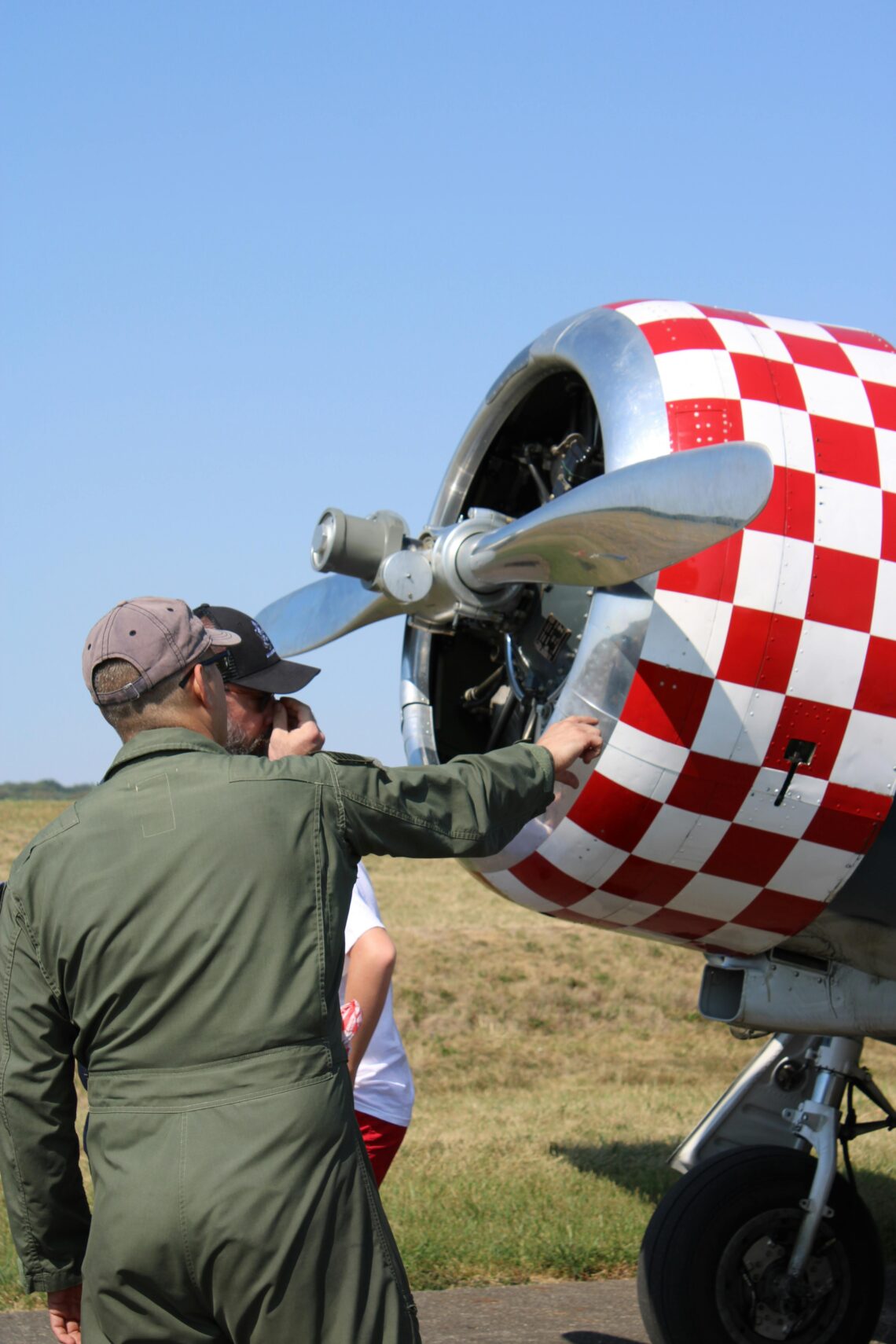

Aircraft maintenance is much more than just simple inspections. This type of care guarantees that every flight is secure, dependable, and practical. When operators understand what that process is, they can make better decisions. In the following article, we will look at the fundamentals involved in comprehensive aircraft maintenance.
Routine Inspections and Scheduled Checks
Inspections are the most basic element of any maintenance program. This all helps to identify the small issues before they become a big deal. Regularly planned maintenance typically involves checking engines, testing controller systems, and evaluating avionics. Every component is given due diligence, ensuring that it operates seamlessly and with fewer disruptions. Closely adhering to the guidelines, maintenance teams from companies like Fly Precision work on the components that strictly match the safety standards.
Detailed System Testing
Sophisticated testing can uncover latent flaws in electrical, hydraulic, and fuel systems. Advanced diagnostic instrumentation analyzes performance and identifies any errors that could impact flight safety. In the event that irregularities arise, technicians rectify them swiftly to sustain their prime function. These are methods that aid in increasing the operational lifetime of essential systems. Everyone will know that every system works as intended for a safe flight for passengers and crew alike.
Component Replacements and Overhauls
Parts naturally wear out over time. Comprehensive maintenance programs replace worn components based on manufacturer recommendations. Sometimes, an overhaul becomes necessary to restore performance. Engines, landing gear, and other key assemblies may undergo complete refurbishment. This approach helps prevent unexpected failures during operation. Consistent replacement schedules also reduce the likelihood of costly repairs later.
Thorough Cleaning and Corrosion Control
Cleanliness is crucial for aircraft maintenance. If not removed, dirt, debris, and moisture can result in corrosion. Maintenance teams scrub the surfaces and check for contaminants that may threaten structural integrity. Additional treatments are sometimes applied in sensitive areas. We must pay close attention to corrosion inspection. The careful cleaning extends the life line of every aircraft.
Software Updates and Avionics Calibration
Aircraft rely on electronics for navigation and communication; however, this means that if those systems fail, it becomes almost impossible to fly the aircraft without computer control. Regular updates and maintenance make the software more compatible and safe. Avionics calibration is where equipment, or instruments, is aligned to read at a certain level for the flight to work properly. Maintenance crews regularly search for the latest updates and install them as needed.
Record Keeping and Regulatory Compliance
Maintenance involves plenty of documentation, providing accurate records of completed tasks, repairs, and inspections. This ensures transparency for both regulatory authorities and owners. One must always comply with local and international standards. Staff can have greater clarity on audits and reviews, as detailed histories are available. Nobody likes paperwork, but that paperwork can protect you and everyone else on your flight.
Safety Protocols and Staff Training
Safety is based on a constant need for staff development. Maintenance professionals are trained regularly to keep the process aligned with the best practices in the industry. They go through new protocols, practice with new machines, and review safety information. Emergency drills reinforce procedures and ways to avoid potentially dangerous situations. Well-trained people know how to recognize risks early and respond proactively when things go wrong. Continuation of education preserves a safe culture.
Predictive Maintenance Technologies
With predictive maintenance, advanced analysis can predict possible failures before they happen with the help of technological advances. Information from sensors on how the engine performs, temperature, vibration, etc. Advanced algorithms handle this data before alerting crews to any potential issues. In essence, this prevents unscheduled repairs and thus minimizes downtime. Predictive technologies may make our systems more reliable and can contribute to lowering costs in the long run.
Conclusion
Aircraft maintenance is about far more than just servicing faulty components. It includes systematic inspections, modern examinations, and archival practices. From cleanliness to staff training to utilizing predictive tools, all facilitate safe and efficient flight operations. Regular focus on these areas helps in keeping passengers and crews safe while ensuring that each plane has a long life. Tupper adds that regular maintenance remains key for dependability in aviation.
Read more lifestyle articles at ClichéMag.com
Images provided by Deposit Photos, BingAI, Adobe Stock, Unsplash, Pexels, Pixabay Freepik, & Creative Commons. Other images might be provided with permission by their respective copyright holders.