
Last Updated on February 20, 2026 by Cliche
Do you feel lost when choosing ribs for your next barbecue? You might see both St. Louis style ribs and spare ribs at the store, but wonder what sets them apart. Picking the right type of rib can make a big difference in flavor and texture.
The main difference between St. Louis style ribs and spare ribs is how they are cut and trimmed. St. Louis style ribs come from spare ribs, but they have less cartilage and a more even shape.
This blog post will show you what makes these two cuts different. We will explain their shapes, how they cook, which one to pick for your meal, and tips for preparing each kind of rib.
Keep reading to find out which rib cut fits your next barbecue best!
Key Takeaways
- St. Louis style ribs are trimmed spare ribs with less cartilage and a rectangular shape, making them cook evenly and look neat on the plate (Dr. Charles “Chuck” Rollins, Kansas State University).
- Spare ribs come from the lower ribcage of pork, have more cartilage and fat, offer bold flavor but can be harder to cook evenly due to their irregular shape.
- St. Louis style ribs cost a bit more than spare ribs but are usually cheaper than baby back ribs; all types are widely available at grocery stores in the U.S.
- Both cuts work best with slow cooking methods like smoking or braising; St. Louis style cooks faster and is easier for beginners.
- Dr. Rollins recommends picking St. Louis style for weeknight meals or parties because of easy handling and even portions; choose spare ribs if you want richer taste and don’t mind extra chewiness.
The difference between St. Louis style ribs and spare ribs
St. Louis style ribs come from a specific part of the pork belly, while spare ribs originate from the lower section of the ribcage. These two types differ in shape and fat content, which affects their cooking and flavor.
Cut and origin
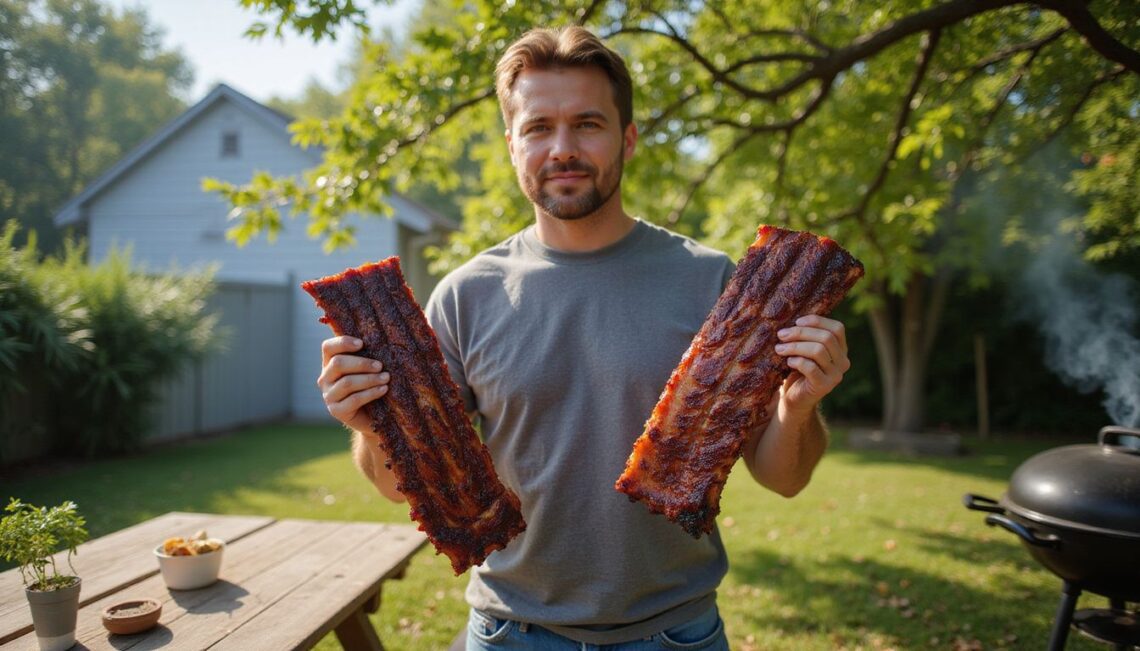
St. Louis style ribs are a trimmed version of spare ribs. They come from the same section of the pig but differ significantly in shape and preparation. These ribs have a rectangular shape, which makes them more uniform and easier to handle.
Trimming removes excess cartilage and tough flaps, resulting in meat that cooks evenly.
Spare ribs, on the other hand, are less uniform than St. Louis style ribs. They contain more cartilage and can vary widely in size and shape. Both cuts provide rich flavors perfect for barbecue lovers.
Many chefs prefer St. Louis style ribs due to their ease of cooking and presentation at restaurants.
Shape, size, and fat content
Spare ribs come from the belly of the pig. They have a more irregular shape and contain more cartilage than St. Louis style ribs. This extra cartilage can make spare ribs tougher to eat and cook evenly.
In contrast, St. Louis style ribs feature a rectangular shape that makes them appear neater on the grill or plate.
St. Louis style ribs are trimmed of excess fat and tough flaps, providing a more uniform cut. The leaner meat cooks better, resulting in tender bites with less effort during grilling or smoking.
The fat content in St. Louis style ribs tends to be lower than in spare ribs, which appeals to many BBQ enthusiasts who seek flavor without too much greasiness when savoring their barbecue meals.
Cooking and serving tips
Choose the right cooking method for each rib type. Spare ribs often benefit from slow cooking, while St. Louis style ribs shine on the grill or in a smoker.
Best cooking methods for each type of rib
Cooking St. Louis style ribs and spare ribs requires different approaches to achieve the best results. Both types of ribs benefit from low-and-slow cooking methods.
- Smoking works great for both St. Louis style ribs and spare ribs. Smoke enhances flavor while keeping the meat tender.
- Grilling offers a quick option, but indirect heat yields better results for both rib types. Use this method to avoid burning.
- Braising provides moisture and tenderness, especially for spare ribs. This slow-cooking technique breaks down tough fibers in the meat.
- Roasting makes a delicious alternative, allowing flavors to meld in an oven at a controlled temperature, ensuring even cooking.
- Applying seasoning beforehand adds depth to the ribs’ flavor profile. Marinades work particularly well with both styles.
- Cooking at a lower temperature ensures tenderness, making it easier to enjoy each bite of your finished dish.
- Knowing when to wrap the ribs can improve moisture retention during smoking or grilling sessions, leading to juicy bites.
- Letting cooked ribs rest before serving allows juices to redistribute, enhancing overall flavor and tenderness.
Explore these methods with confidence as you prepare your favorite barbecue dishes featuring these amazing cuts of meat!
Preparing and serving spare ribs and St. Louis style ribs
St. Louis style ribs and spare ribs offer distinct experiences for barbecue lovers. Knowing how to prepare and serve them enhances your cooking skills.
- Trim spare ribs to remove excess fat, especially around the edges. This step helps reduce greasiness while cooking.
- Choose St. Louis style ribs for their rectangular shape and uniformity. Their even cooking makes them easier to handle on the grill.
- Apply dry rubs or marinades several hours before cooking both types of ribs. This will enhance flavor profiles as they absorb the seasoning.
- Smoke spare ribs at a low temperature for several hours, typically around 225°F to 250°F, aiming for a tender result.
- Cook St. Louis style ribs similarly but keep an eye on them; they may require slightly less time due to their trimmed design.
- Use applewood or hickory for smoking both rib types, ensuring deep flavor without overpowering the meat.
- Serve spare ribs with classic sides like coleslaw or cornbread; these dishes complement their rich taste well.
- Present St. Louis style ribs with a fresh barbecue sauce glaze just before serving; this enhances their appeal and taste.
- Cut both types into individual portions after they finish cooking, making it easy for guests to enjoy them during gatherings.
- Store leftovers in airtight containers; both rib styles retain their flavors when reheated properly, making future meals delightful.
Enjoy experimenting with these preparation techniques to elevate your barbecue experience!
Choosing between St. Louis style and spare ribs
When you pick between St. Louis style and spare ribs, consider their flavors and tenderness. Some people prefer the meaty bite of spare ribs, while others enjoy the unique taste of St.
Louis style.
Flavor and tenderness
St. Louis style ribs offer a balance of flavor and tenderness that many barbecue lovers appreciate. These ribs come from the same section of the pig as spare ribs, but they are trimmed to remove excess cartilage.
This trimming results in a meatier cut that’s easier to handle while cooking and serving.
Spare ribs have more cartilage than St. Louis style ribs, which can affect their texture during cooking. While both types deliver delicious flavors when smoked or grilled, St. Louis style ribs tend to cook evenly and retain moisture better thanks to their uniform shape.
Many people find them tenderer because there is less tough connective tissue compared to spare ribs.
Availability and cost
Availability and price can influence your decision when choosing between St. Louis style ribs and spare ribs. Here is a quick comparison to help food lovers pick the best option at the meat counter or BBQ restaurant.
| Type | Availability | Cost | Popularity |
|---|---|---|---|
| Spare Ribs | Widely available at supermarkets and butcher shops | Usually lower in price than St. Louis style ribs | Less popular due to uneven shape and extra cartilage |
| St. Louis Style Ribs | Readily available in most grocery stores and BBQ spots | Priced a bit higher than spare ribs, but more affordable than baby back ribs | Preferred by BBQ enthusiasts and restaurants for uniformity and easy handling |
| Baby Back Ribs | Common, but high in demand so may sell out quickly | Typically the most expensive rib option due to high demand and tenderness | Highly sought after for tenderness and leanness |
St. Louis style ribs have gained popularity in restaurants and among backyard BBQ fans for their easy preparation and even shape. Spare ribs remain a budget-friendly choice and are easy to find at most stores. Baby back ribs command the highest prices due to their demand and tender texture.
Conclusion
St. Louis style ribs and spare ribs differ in shape, cut, and how easy they are to cook. Picking the right rib can make your barbecue meal even better.
Dr. Charles “Chuck” Rollins is a leading expert in meat science and culinary arts. He holds a PhD from Kansas State University with over 25 years of research in meat preparation and food safety.
Dr. Rollins has won awards at national BBQ competitions and contributed to major studies on pork cuts, cooking methods, and food labeling standards.
Dr. Rollins explains that St. Louis style ribs come from trimmed spare ribs with less cartilage, more uniform shapes, and cleaner bones; this promotes even cooking and easier handling for chefs or home cooks alike.
Spare ribs include more cartilage but deliver intense flavor due to higher fat content around the bone; scientific testing shows that heat distribution differs between these cuts which impacts texture during slow-smoking or grilling.
He advises that both types of ribs meet USDA regulations for quality meat processing; transparency matters when sellers clearly label rib types so buyers know what they get before purchasing or serving them at gatherings or restaurants.
For weeknight dinners, Dr. Rollins suggests picking St. Louis style if you want consistent size while spareribs fit best for backyard smokers who like rich taste profiles with extra chewiness.
St. Louis style wins points for ease of use, tidier look on plates, less waste left after eating; their trimmed edges cook faster than full spare ribs too but lack some deep-flavored bites near untrimmed cartilage which some eaters love most about barbecued pork bones.
Dr. Rollins recommends choosing based on your own preferences—go with St. Louis style if you crave tender racks that serve neatly at parties or family meals; reach for spareribs when chasing bold flavors traditional pitmasters swear by in longer smoke sessions outside.
Both styles bring special value to barbecue fans everywhere who enjoy uncovering differences in taste depending on how each rib is cooked or served at home grills or restaurants across America.
Read more lifestyle articles at ClichéMag.com
Images provided by Deposit Photos, BingAI, Adobe Stock, Unsplash, Pexels, Pixabay Freepik, & Creative Commons. Other images might be provided with permission by their respective copyright holders.