
Last Updated on April 14, 2026 by Cliche
Motorcycle accidents in New York occur frequently across the city’s congested streets, highways, and intersections, with thousands of crashes reported annually throughout the five boroughs. The unique challenges of navigating New York’s dense traffic—from taxi cabs making sudden turns in Manhattan to trucks on the Brooklyn-Queens Expressway—create dangerous conditions for motorcyclists. When these accidents result in injury and property damage, as well as emotional distress, working with an experienced motorcycle accident attorney in Hempstead becomes essential to building a strong case. Any claims made after such an incident must be supported by various forms of evidence.
New York’s comparative negligence laws and strict insurance requirements mean that motorcyclists must present compelling documentation to secure fair compensation. The city’s complex roadway system, combined with high traffic volume and diverse driving patterns, often results in accidents that require specialized legal expertise to navigate liability determinations and insurance disputes. Collecting the right information up front improves the likelihood of a fair outcome. In this post, we will discuss what specific factors can strengthen a legal case.
Photographs and Video Recordings
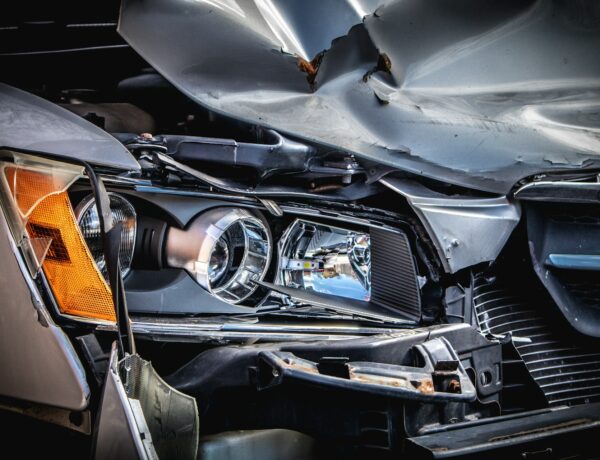
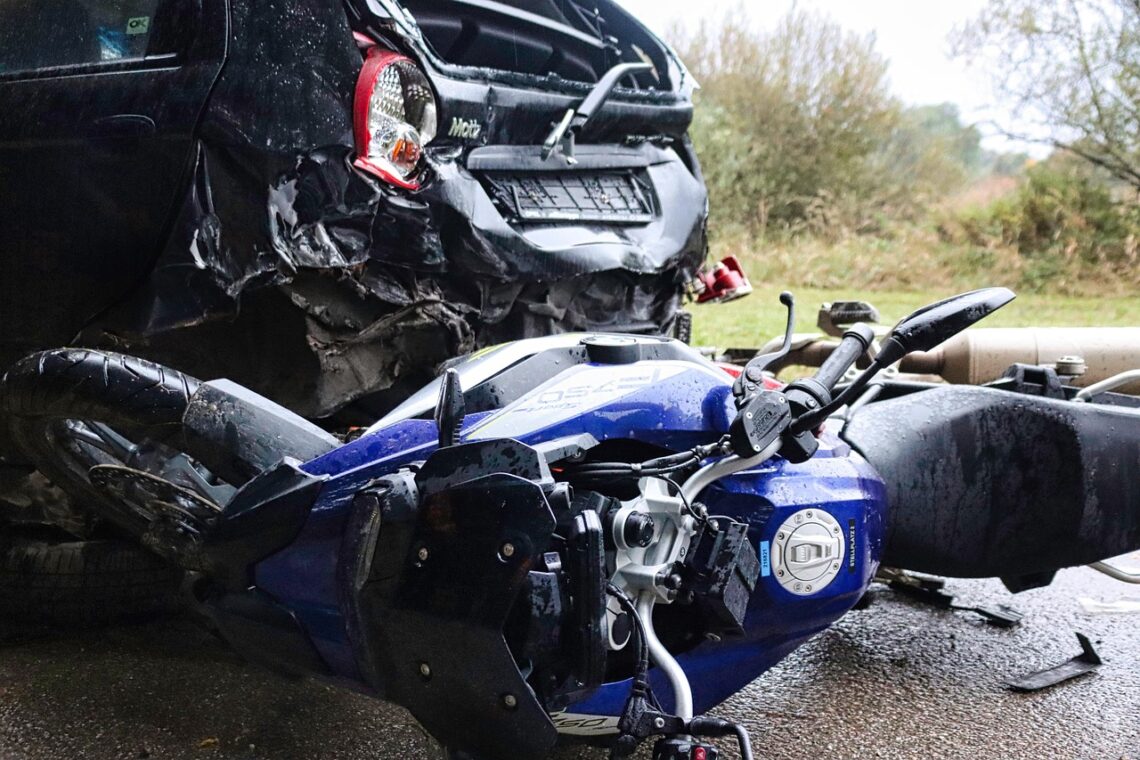
Visual documentation often provides immediate clarity regarding what took place. Photographs taken immediately after the incident capture vehicle positions, road marks, and weather conditions. Images of both vehicles, nearby signposts, and any visible injuries become valuable. Video from helmet cameras or dashcams can present an unbiased record. Surveillance footage from nearby buildings or traffic cameras may further support a claim.
Police Reports and Official Records
When an accident occurs, authorities are notified and generate an official report. The documentation often includes comments from the officers, a narrative of the scene, and initial conclusions. The officers might also add diagrams and their observations of any violations. Official records help establish the date, time, and exact location, minimizing disputes around the facts.
Medical Documentation
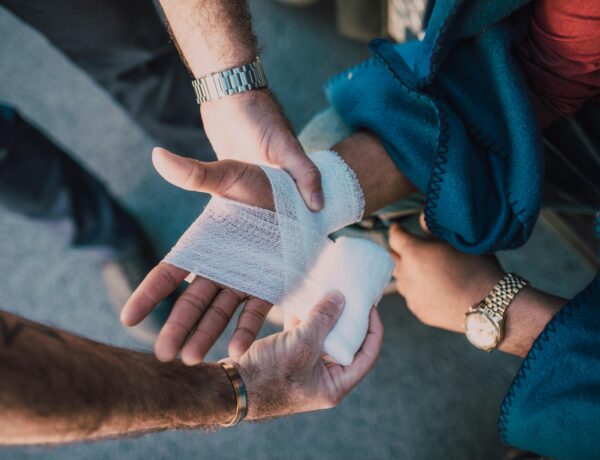
Medical records provide official documentation of injuries. Going to the doctor after an accident guarantees documentation by professionals, which prevents future disputes over the severity of injuries. According to the National Highway Traffic Safety Administration, motorcyclists are significantly more likely to suffer serious injuries in crashes compared to passenger vehicle occupants, making thorough medical documentation critical. The healing process is documented in ambulance reports, emergency room notes, and follow-up appointment records. Treatment records and bills help illustrate the financial cost.
Eyewitness Statements
Witnesses who observed the event can provide an independent perspective. Unbiased accounts frequently clear up disputed issues—traffic lights, speeds, and fault. It is important to collect contact information from witnesses. Gather written or recorded statements while details are fresh, as memories fade quickly.
Accident Scene Evidence
Physical items from the scene, like fragments, wreckage, or clothing, can help make a case. Skid marks on the road could indicate the speed of each vehicle. Evidence like oil spills, debris, or broken barriers can help reconstruction experts understand the vehicle movements before the crash. Photos can also depict contributing factors, like wet roads or poor weather conditions—learn more about how these details can support your claim.
Expert Testimony and Analysis
Experts like accident reconstructionists provide technical analysis to examine the case. They review the pictures, damage to the vehicles, and the road conditions to reconstruct the sequence of events. Medical experts can explain injuries and lasting effects. They often simplify the complicated aspects of a case for a judge or an insurance adjuster.
Communication Records
Messages exchanged with insurance companies, repair shops, or medical providers are critical. Emails, text messages, and letters documenting requests for assistance or incident reports should be preserved. Conversations with the other party may reveal fault admissions or promises made at the scene. Retaining all correspondence ensures nothing gets overlooked.
Repair Estimates and Vehicle Valuation
Property damage provides evidence of actual financial losses. Repair estimates outline what needs to be fixed and at what cost. Past receipts for upgrades or maintenance show what the bike was worth before the incident. Before and after photos demonstrate the extent of the damage.
Proof of Lost Wages
Motorcycle accidents frequently result in missed work due to injuries sustained. Lost income can be verified through pay stubs, letters from employers, and tax documents. Medical certificates recommending rest provide evidence supporting sick leave requests. This proof extends beyond physical health—it helps illustrate the financial impact of the accident.
Conclusion
Strong documentation is essential for building a solid claim after a motorcycle crash. Every piece of evidence serves a unique purpose, reinforcing the strength of the case. Gathering this information early is critical in ensuring individuals have the best chance to receive adequate compensation and justice. Preparation ensures that all facts are clear and properly presented for review.
Read more legal articles at ClichéMag.com
Images provided by Deposit Photos, BingAI, Adobe Stock, Unsplash, Pexels, Pixabay Freepik, & Creative Commons. Other images might be provided with permission by their respective copyright holders.